Air conditioning systems are a vital part of modern home comfort, providing a respite from the sweltering heat of summer and maintaining a pleasant indoor environment. However, there are circumstances where homeowners might not use their AC for extended periods.
Whether due to personal preference, seasonal residency, or an unoccupied home, the prolonged inactivity of an air conditioning system can have significant effects. Understanding these impacts and taking appropriate measures can help homeowners preserve their AC’s functionality and avoid costly repairs.
The Impact of Prolonged Inactivity on Your Home AC System
Homeowners who avoid using their air conditioning units for extended periods often wonder about the potential repercussions. The reasons for leaving an AC idle can vary. Some homeowners prefer natural ventilation, others live in their homes only seasonally, and some homes are left unoccupied due to sale or foreclosure. Understanding the effects of long-term disuse is crucial for maintaining your AC system’s efficiency and longevity.
Consequences of Not Using Your AC System
Several issues can arise for homeowners who choose not to use their air conditioning at all while living in their homes. The primary concern is the accumulation of dust and debris within the system. The air filters, ducts, and internal components can become clogged without regular use, reducing air quality and system efficiency. Additionally, the lack of airflow can lead to higher humidity levels indoors, fostering the growth of mold and mildew. This affects the household’s health and can result in unpleasant odors and potential structural damage to the home.
The components of the AC system, such as the compressor and the fan motor, rely on periodic operation to stay lubricated. When these parts sit idle for too long, they can seize up or become less efficient, leading to costly repairs or replacements when the HVAC system is finally turned on.
Seasonal Residents and Air Conditioning Concerns
The air conditioning system faces similar challenges for those who live in their homes only part of the year, such as snowbirds who migrate with the seasons. During the months when the home is unoccupied, the AC system remains dormant, potentially leading to the same issues of dust accumulation and component degradation. However, the additional challenge for seasonal homes is the impact of fluctuating temperatures and humidity levels.
Without regular climate control, these homes can experience extreme temperature swings, which can cause the expansion and contraction of building materials. This stresses the home’s structure and impacts the integrity of the AC system itself. Furthermore, the absence of regular use means the system isn’t circulating air to prevent mold and mildew, making it imperative for seasonal residents to schedule maintenance before leaving and upon returning.
Unoccupied Homes Due to Sale or Foreclosure
Homes that are left unoccupied because they are listed for sale or in foreclosure present unique problems for their air conditioning systems. In these scenarios, the AC might not be used for months, if not years. This extended period of inactivity can lead to severe deterioration of the system.
The first issue is the growth of mold and mildew within the ducts and on the evaporator coils due to stagnant air and unchecked humidity. Additionally, pests and insects may find their way into the unused system, causing blockages or damage to the internal components. The lack of regular maintenance can also mean that any minor issues present at the start of the inactivity will likely escalate into significant problems, necessitating expensive repairs or even complete system replacement.
Best Practices for Maintaining Your AC System
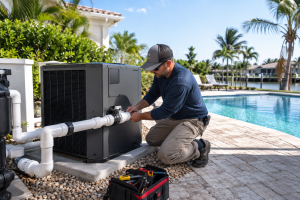
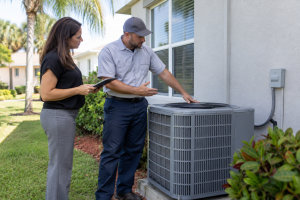
To ensure the longevity and efficiency of their air conditioning system, even if it is not used frequently, homeowners should adopt several best practices. Schedule professional inspections and cleanings at least twice a year. Even if they don’t use the AC often, running it periodically, even if at a higher temperature setting, can help keep the internal components lubricated and functional. Investing in a good-quality cover for the outdoor unit can protect it from debris and weather damage.
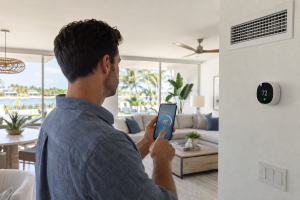
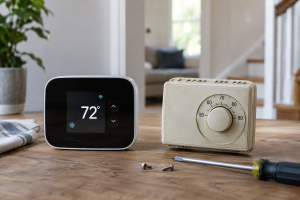
For seasonal homes, consider installing a programmable thermostat that allows you to manage the indoor climate remotely, keeping the temperature and humidity at optimal levels. This can prevent the extremes that lead to structural and system damage.
By understanding the implications of not using your AC and taking proactive steps, homeowners can avoid costly repairs and ensure their air conditioning system remains in good working order for years to come.