Being a business owner comes with many responsibilities, and keeping your employees, tenants or customers comfortable is one of them. Ensuring your commercial air conditioning system is functioning correctly is critical to maintaining a cool and productive environment. When your HVAC system fails, especially during a heatwave, it can be more than an inconvenience—it can slow operations and create an uncomfortable and unhealthy workspace.
Whether you have a restaurant, office space, medical building or retail store, knowing how to troubleshoot your AC may help restore function and get your commercial AC back to cooling. Let’s walk through a few simple checkpoints to see if you can fix the AC yourself.
Commercial AC Troubleshooting Tips
When your commercial HVAC system fails, it may seem catastrophic, but it might be something simple. Before scheduling a service call—or while waiting for a technician to arrive—you can make a few simple checks yourself. Like your home AC unit, commercial systems experience similar problems that may be resolved quickly without a professional.
Check for Power Supply Issues
Before you call for commercial AC services, check your power. If your unit appears to be dead, check the unit’s circuit breaker. The unit should have a dedicated circuit breaker in the electrical panel. If it’s tripped, flip it back on to see if power is restored. Call a commercial HVAC repair company to troubleshoot your system if it trips again.
If your circuit breaker was not tripped, check that the main power switch on your unit is in the “on” position. Check the outdoor unit disconnect box for a blown fuse. Swap the blown fuse if found. Schedule a service call with a commercial AC company if that doesn’t deliver power.
Check Thermostat Settings
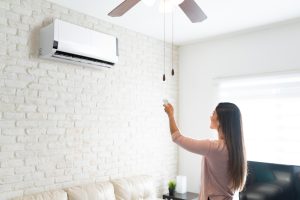
A common cause of AC issues is a malfunctioning thermostat. Ensure the thermostat is set to “cool” mode and the temperature is set lower than the room’s current temperature. If the thermostat is battery-operated, check to see if it needs replacing. A faulty thermostat can be challenging to diagnose beyond the basics. If you’ve tried these tricks and are still having trouble, contact a professional AC technician.
Check Air Filters
Dirty AC filters can restrict airflow, causing your system to struggle to cool and even overheat the unit. If your filter is dirty, replace it and monitor your commercial AC for improvement.
Regular maintenance includes changing or cleaning filters to improve your unit’s efficiency and indoor air quality.
Clear Drain Lines
In commercial units, the condensate drain can easily become clogged, causing water to back up. Clogged drain lines can also trip the condensate overflow switch, shutting down the entire system. Clear the line to restore your system’s function. Contact a professional if you notice frequent clogs.
Ensure the Outdoor Unit is Clear
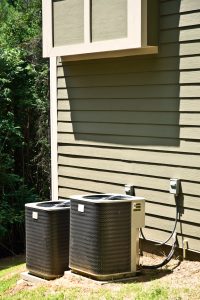
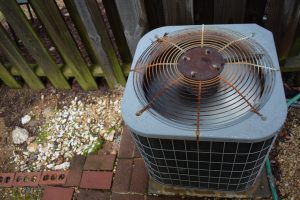
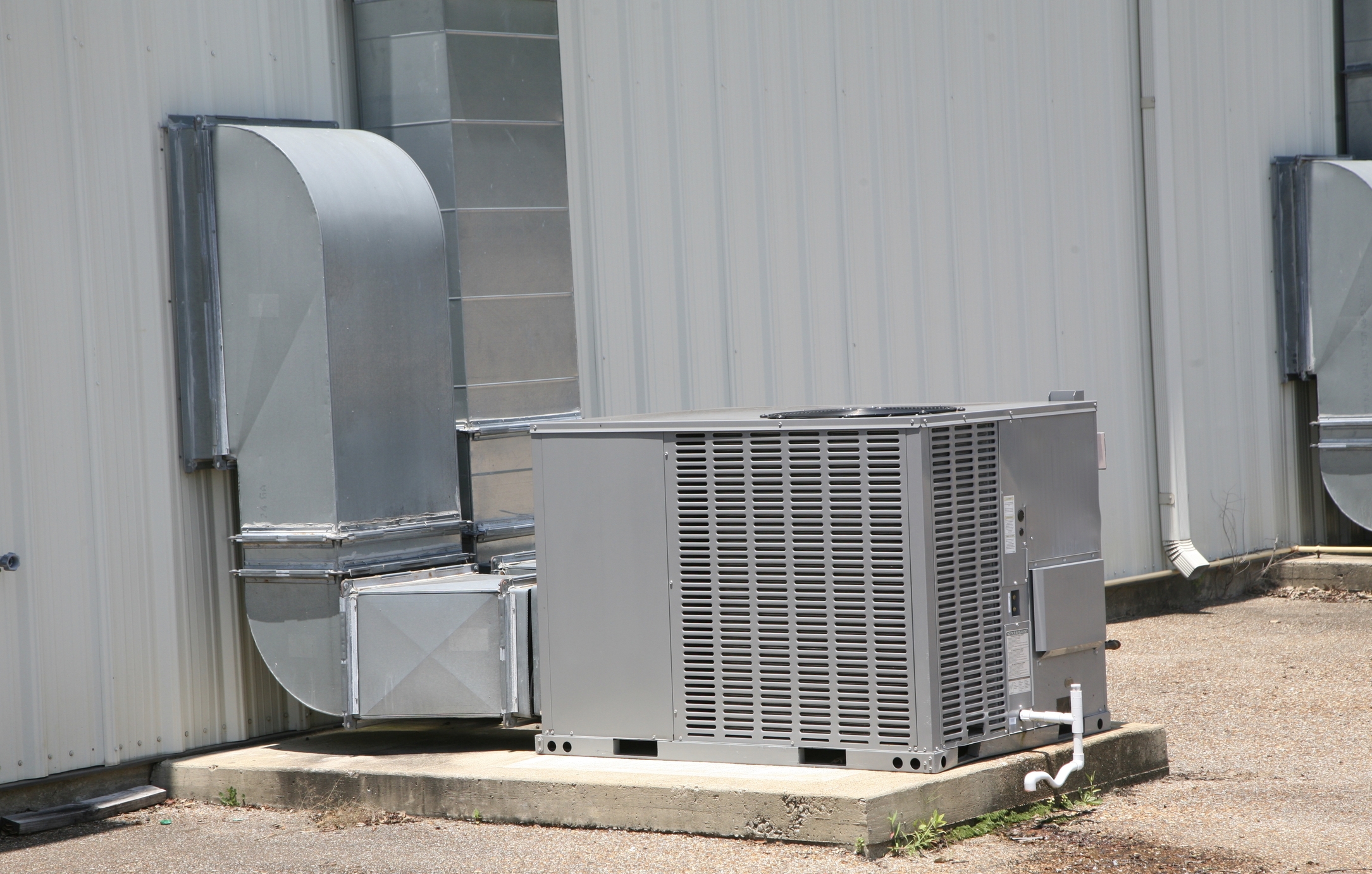
Make sure the airflow to your outdoor unit is unobstructed by vegetation, debris or objects. Clear any obstructions that may block airflow. Rooftop units may not be blocked, but they can be damaged, so ensure the unit is intact.
Advanced AC Repairs That Require Professional Help
If none of the above checkpoints resolved the issue, it’s time to call in the pros. Here are some more complex problems that may affect the operation of your commercial air conditioner:
Frozen Evaporator Coils
Like residential units, commercial ACs can freeze due to low refrigerant or restricted airflow. If ice is visible on the coils, turn the system off and allow time to defrost. While this may temporarily restore function, a service call is still needed to diagnose and resolve the underlying problem.
Suppose you notice damage or corrosion on your coils. In that case, it is essential to have them inspected by a professional HVAC tech to prevent irreversible damage to the system’s health and function.
Faulty Capacitors or Motors
A worn-out or damaged capacitor or a motor malfunction can stop the compressor or fans from working. These components require a proper diagnosis and replacement by a licensed technician.
Compressor or Refrigerant Issues
Cooling failure can be due to low refrigerant levels or compressor problems. These repairs can be dangerous, so a qualified HVAC technician is needed if you suspect a compressor issue or refrigerant leak.
Regular Maintenance Prevents Costly Breakdowns
Regular maintenance for your commercial HVAC system is the most effective way to prevent unexpected issues or breakdowns. During a maintenance appointment, your technician will thoroughly inspect and clean the system to ensure it’s running at peak performance. Preventive maintenance also allows for early detection of potential problems before they escalate into costly repairs or system failures, which could disrupt your business operations.
When to Call a Professional Commercial HVAC Technician
If our DIY troubleshooting guidance didn’t get your commercial AC cooling system working again, it’s time to call in the experts. Commercial HVAC systems are more complex than your home AC, and attempting to fix them without proper training could lead to additional damage and put you at risk for injury. A reputable commercial AC company has technicians trained to diagnose and repair your system quickly, restoring comfort to your workspace.
Whether it’s a bad capacitor, refrigerant leak or compressor failure, calling in the pros will get your AC up and running faster with minimal disruption to your operations, employees, tenants or customers.
Keep your business comfy year-round—schedule your commercial HVAC preventative maintenance today!