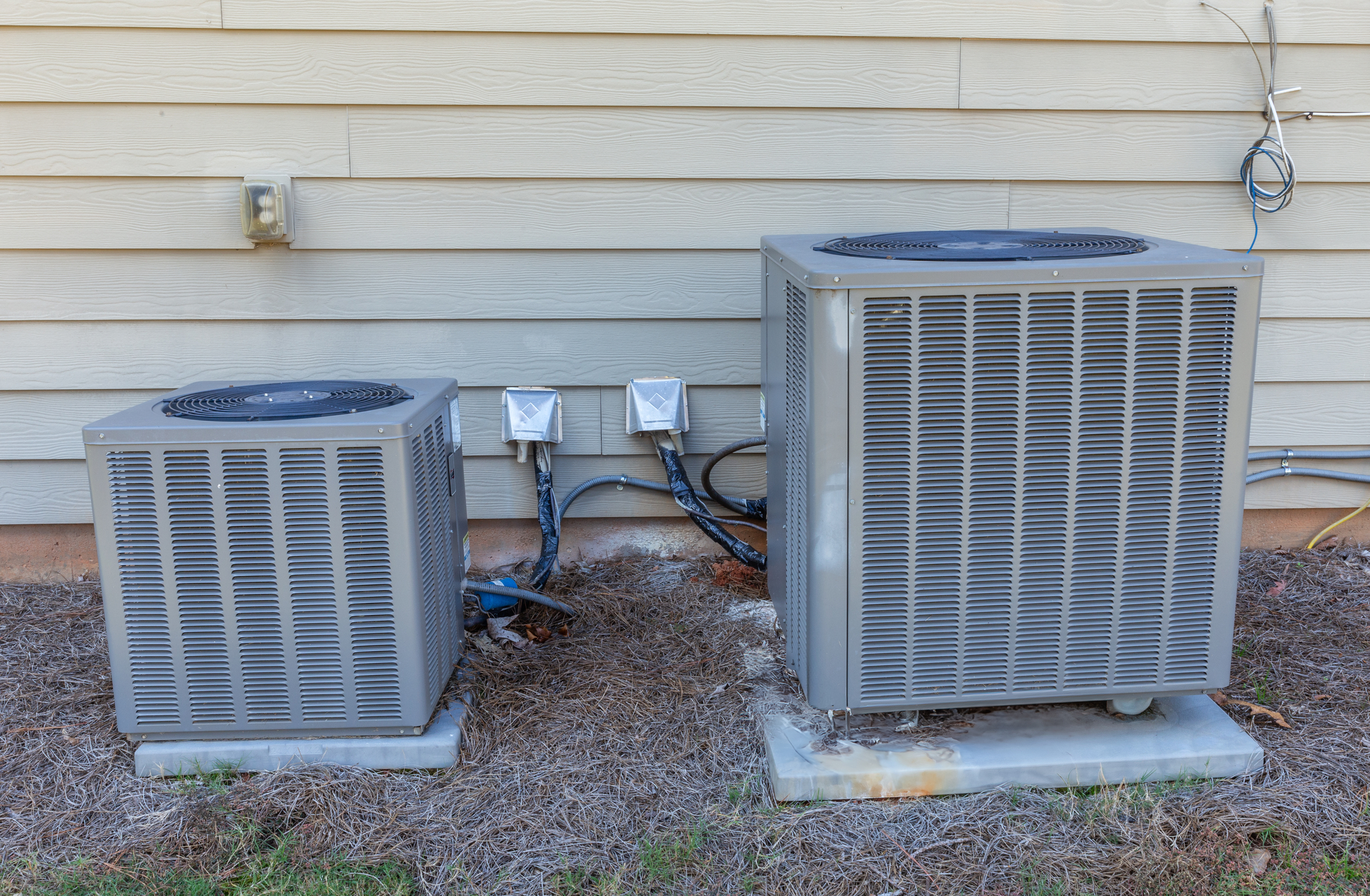
Can you mix and match air conditioner units? Well, yes… and no. Your air conditioning system relies on an indoor unit (air handler) and an outdoor unit (condenser). They don’t always quit working simultaneously, so you may be tempted to replace only the malfunctioning unit with another brand. Mix and matching manufacturers could save on costs or install your replacement sooner.
Let’s explore when mismatched units work and when they don’t so you can make an informed choice and get the most out of your AC system without costly pitfalls.
Why Pairing Different AC Unit Brands Isn’t Always a Good Idea
Air handlers and condensing units are like teammates, designed to work together. The same manufacturing brand means they have the same components. They are engineered to perform flawlessly together for maximum performance and efficiency. In some cases, mismatched units can create more problems than they solve.
Here’s why:
- Different Brand, Different Components: HVAC systems are considered “matched” sets. The indoor and outdoor units are completely compatible, from the coils to the wiring. This compatibility is vital with newer technology, like computer-integrated or high-efficiency systems. Mismatched systems may not work at all, or their lack of compatibility may affect their performance, efficiency and lifespan.
- Reduced Efficiency: Pairing incompatible units can lower your system’s efficiency, meaning its energy usage won’t match the efficiency rating label. It will operate below its SEER/SEER2 rating (Seasonal Energy Efficiency Ratio), making your home less comfortable and increasing your electric bills.
- Compromised Performance & Cooling: Mismatched units might cause uneven cooling and uncomfortable temperature swings throughout your home or business.
- Warranty Woes: Combining AC brands can void the warranty on your new or existing unit. Many manufacturers will not honor the warranty on a unit unless it’s part of a matched system. That means all repair costs will be your responsibility.
- Refrigerant Changes: As older refrigerants like R-22 are banned, newer equipment will use the latest approved refrigerants. Without major modifications, your new and old units won’t work well together.
When Can You Install Different Brand AC Units?
A few situations make mixing manufacturers possible when replacing just the indoor or outdoor unit. Pairing different brands is possible only when the specs match perfectly. That means finding replacement equipment with the same cooling capacity, SEER rating and compatible technology.
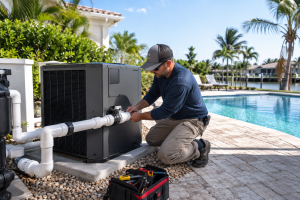
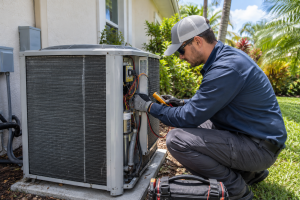
Before you make a purchase, have an experienced HVAC technician assess the compatibility of the two units. They’ll know how to confirm whether or not this equipment combination will actually work.
When the pros handle the mix, you can save money without compromising comfort.
When Should You Avoid Pairing Different HVAC Equipment?
Installing AC equipment from a different manufacturer is a no-go if the new unit doesn’t match your existing system’s specifications. If the units don’t align operationally, the system will struggle to operate correctly, consuming more energy and increasing your electric bills.
Units with different tonnage sizes or efficiency ratings force your system to work harder, leading to breakdowns and shortening the lifespan of both units. A newer unit might even push an older one into early retirement. While you may save initially by replacing only one unit, this could lead to costly repairs and, ultimately, leave you paying more if you have to replace the older unit anyway.
Clever Alternatives to Mixing AC Brands
If your budget or installation timeline is an issue, there are options to make replacing your air conditioning system manageable without mixing unit types.
- Check for Rebates: Manufacturers and power companies often offer rebates if you upgrade your system to a new, high-efficiency model.
- Apply for Financing: Ask your AC company if they offer financing to help you purchase a matching system.
- Consider Staged Replacements: If you plan to upgrade the entire system soon, purchase one component at a time. This will ensure your units match and work efficiently together and help you avoid paying the whole cost at once.
Pro Tip: Always have an HVAC professional assess compatibility and handle installation when pairing new and old units. Even minor differences in size, efficiency, or technology can lead to higher energy bills and frequent repairs—and professional installation is often required to keep your warranty valid. A quick consultation could save you from unexpected costs down the road!
Is Installing Different AC Units Right for You?
Mixing and matching AC components may be tempting to save money, but it’s only worth attempting when you’re confident the units will function well together. Before purchasing a replacement unit from another manufacturer, consult a pro to help you avoid shortcuts that could cost you comfort and cash.
A mix-and-match system may work for a bit and save you some money initially, but a matched HVAC system always operates better. At First Degree, we understand that the initial cost of a complete system replacement may not be in your budget, but we’ll help you make the purchase easier on your wallet. We’ll identify rebate opportunities and in-house specials and provide affordable financing options to help you purchase the best system for your budget.