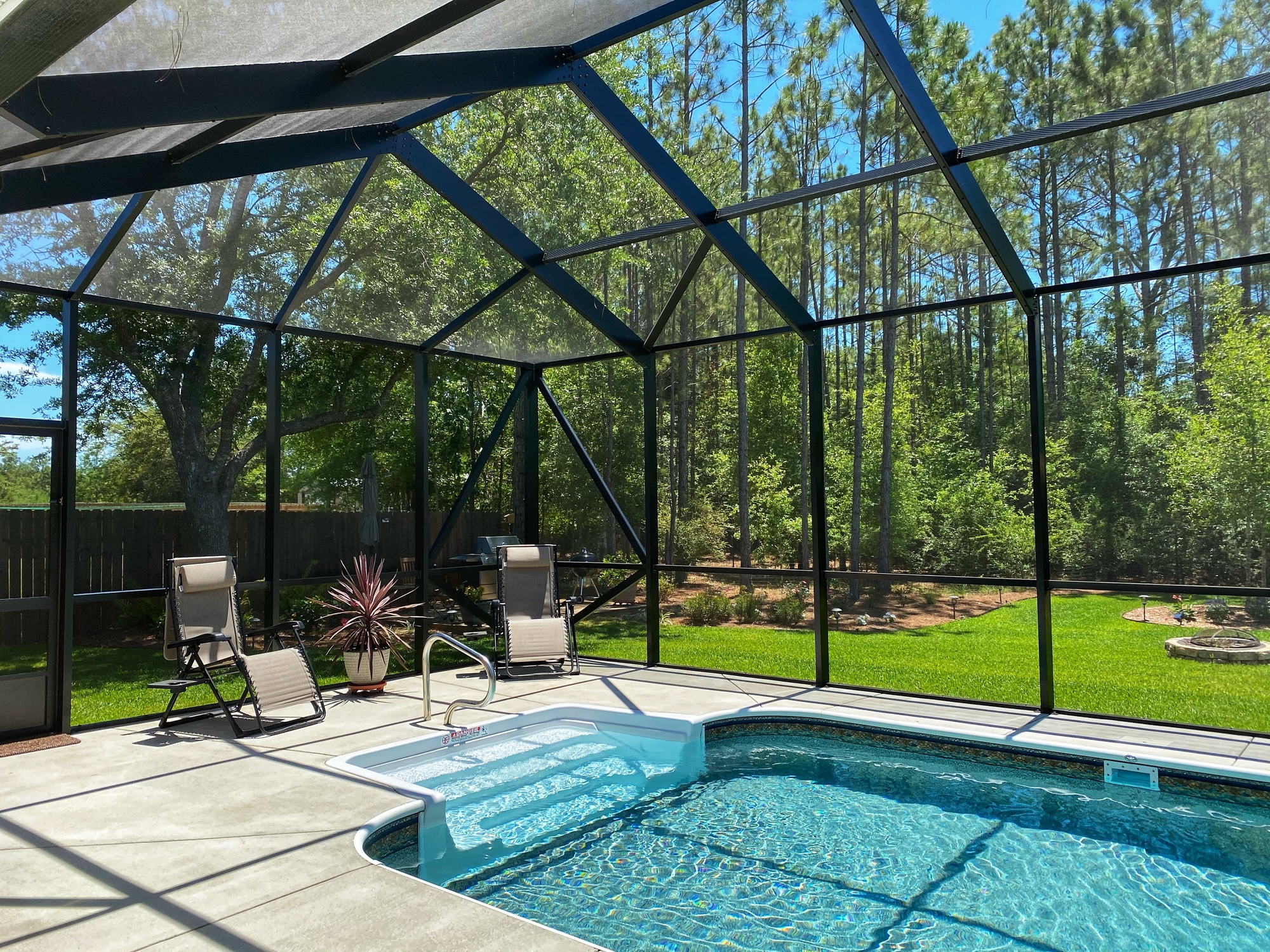
You invested in a pool heater to enjoy comfortable swimming even during Florida’s mild winter. But when is the right time to turn it off? While there are a few factors to consider, the best gauge is simple—dip your toes in. Everyone’s comfort level is different, whether you prefer a refreshing dip or a pool that feels like a warm bath. Let’s discuss what you need to remember when deciding to shut down your pool heater for the season.
What Is the Perfect Swimming Temperature?
Before turning off your pool heater, let’s discuss ideal swimming temperatures. Is there one specific number that everyone can agree is ideal for swimming? Probably not, but the “perfect pool” temperature range universally agreed upon is between 78°F and 82°F. You’ve most likely set your heater, tested the results and tweaked it to your preferences. So when should you shut it down for summer? That depends on the weather, your ideal pool temperature, and whether running your heater is maxing out your monthly budget.
Seasonal Florida Weather
Spring in Florida brings plenty of sunshine and warm days, with temperatures ranging from the 70s to mid-80s. But evenings still cool off, meaning your pool won’t retain heat naturally overnight. Shut your heater off too soon, and you might wake up to chilly water.
If you swim regularly and prefer warmer water, keep that heater running until late May. Once the nights remain warm enough to keep the chill off, you can turn it off—typically anywhere from late April to mid-May. If you’re looking for a set date, the last week of May is usually safe, though heavy rainfall in your area could shift things a bit.
How You Use Your Pool
We’ve already mentioned that the ideal pool temperature falls between 78°F and 82°F, but how you use your pool affects what feels best. If you swim laps or have kids who love to splash and play, cooler water might be refreshing, meaning you can shut the heater off sooner if a little chill doesn’t bother you.
On the other hand, if you prefer lounging, are older, or have chronic conditions that make cold water uncomfortable, keep the heater running until late May or early June to maintain warmth overnight. Keep an eye on your local weather—ambient temperatures often give you a good idea of what to expect from your pool water.
Personal Comfort Preferences
Everyone has their own idea of the perfect pool temperature, no matter how they use it. Some enjoy cooler water for a refreshing swim, while others prefer it warm and inviting. If a little chill doesn’t bother you, you can turn off the heater earlier in the season. But if you like that bath-like warmth, keep it running a bit longer. The easiest way to decide? Dip your toes in and see what feels right. If daytime temperatures naturally warm your pool, it might be time to shut off the heater.
Energy Costs & Efficiency
Pool heaters can be costly to operate. As the days warm up, the bulk of your electric bill is cooling costs. To keep your budget balanced, turning off your pool heater as soon as the warmer days start may save you some money. Pools can usually naturally maintain a comfortable temperature April through October, making heating unnecessary.
Pool Heater Maintenance & Longevity
Turning off your pool heater when it’s not in use, rather than simply adjusting the temperature setting, helps reduce unnecessary wear and tear. If you don’t plan on swimming for a while, there’s no reason to keep the heater running, and properly shutting it down for extended periods can lower energy costs and prevent potential damage.
However, regular pool heater maintenance remains essential, even when the system isn’t actively heating the water. Tasks like filter cleaning, inspecting connections, and maintaining proper water chemistry help prevent buildup, corrosion, and internal damage. Neglecting maintenance during downtime can lead to costly repairs or reduced efficiency when you’re ready to use it again. Keeping up with routine care ensures your pool heater stays in optimal condition, so it’s ready to perform when needed and lasts longer overall.
Pro Tip: Alternative Ways to Retain Heat
Consider investing in a solar pool cover to save even more on energy costs. It helps warm the pool on sunny days and retains heat during cooler nights. It also prevents debris from falling in, keeping your water cleaner so your heater won’t have to work as hard when you decide to use it. Bonus: Less debris + Less time cleaning = More time swimming!
Don’t Cut Your Swimming Season Short
Deciding when to turn off your pool heater depends on your preferences, how you use your pool, and the ever-changing Florida weather. If you have spring breakers or guests visiting, you may keep the water warm longer. Usually, the water stays warm by April or May, enough not to require heating. Before deciding on a cut-off date, keep an eye on your pool temperatures and local weather to pinpoint the best time to shut off your pool heat.
Remember, turning off your heater when it’s unnecessary helps save money, reduce wear on your equipment, and extend its lifespan. Stay on top of regular maintenance, and your pool heater will be ready when you need it most.