What Is a Smart HVAC System?
Smart technology has transformed the way many small businesses operate, from lighting and security to point-of-sale systems. Heating, ventilation, and air conditioning (HVAC) is no exception. Smart HVAC systems provide automated control, energy-saving insights, and remote access to what was once a manual and static process. But is it worth the investment for a small business?
Below, we explore how smart HVAC systems work, what they offer, and the practical considerations that come with upgrading your building’s climate control.
Key Features That Set It Apart
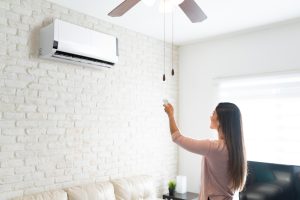
Smart HVAC systems utilize sensors, adaptive thermostats, and internet connectivity to optimize the heating and cooling of your building. Unlike traditional systems that operate on basic timers or manual settings, smart systems learn usage patterns, adjust based on occupancy, and adapt to external conditions.
These systems aren’t just about temperature control. Many models include air quality sensors, humidity tracking, and integration with other smart building technologies. For business owners, this means more control and less waste—all from a mobile device or dashboard.
Energy Efficiency and Operational Savings
Automated Adjustments That Lower Costs
One of the most compelling reasons for small businesses to switch to a smart HVAC system is energy efficiency. These systems can cut energy use by 20% or more through continuous optimization. By responding to occupancy sensors, time of day, and even weather conditions, a smart HVAC unit ensures that heating and cooling aren’t running unnecessarily.
This is particularly important in retail spaces, offices, or small warehouses where usage patterns fluctuate. Whether the building is full of customers or closed for the weekend, smart controls adjust accordingly to avoid wasted energy.
Comfort Enhancements for Staff and Customers
Temperature Control That Improves Experience
Keeping employees and customers comfortable can have a direct impact on productivity and satisfaction. With smart HVAC zoning, different areas of the building can be set to different temperatures. This is especially useful for restaurants, medical offices, and retail environments where varying usage demands specific comfort levels.
Consistent climate control helps reduce complaints, prevents overcooling or overheating, and promotes a more inviting atmosphere. Systems can also react to shifts in humidity, ensuring air remains breathable and balanced throughout the day.
Remote Monitoring and Real-Time Access
Being able to control your HVAC system remotely is a significant advantage. With smart connectivity, business owners or managers can monitor their system from a smartphone, tablet, or desktop—whether they’re across town or across the country.
You can:
- Adjust temperature settings in real time
- Monitor energy usage trends
- Receive alerts if something goes wrong
- Schedule operating hours without manual input
- Oversee multiple properties from one interface
This type of remote control eliminates the need for on-site manual adjustment, ensuring the system operates as intended even when the building is unoccupied.
Maintenance Alerts and System Reliability
Staying Ahead of Unexpected Breakdowns
Smart HVAC systems often come equipped with predictive maintenance features. Instead of waiting for a unit to fail, the system can alert you to performance issues—like abnormal temperature changes or reduced airflow—before they become larger problems.
These early warnings can help reduce emergency repair costs and extend the equipment’s lifespan. For small businesses, that reliability is especially valuable since downtime can disrupt customer service or create unsafe indoor conditions.
Cost vs. Value: Is It Worth the Investment?
There’s no denying that smart HVAC systems come with higher upfront costs compared to conventional units. The pricing reflects the technology involved, including sensors, upgraded thermostats, and sometimes Wi-Fi-enabled components or system integrations.
However, long-term savings often offset the initial expense. Over time, lower utility bills, fewer repair emergencies, and improved operational efficiency add up to significant savings. Businesses that operate extended hours, use multiple zones, or frequently adjust climate settings tend to see the most important return on investment.
Managing Multiple Spaces More Efficiently
Centralized Control for Growing Businesses
For businesses with multiple suites, buildings, or locations, managing HVAC settings individually can be time-consuming and inconsistent. Smart systems allow centralized access to all thermostats from a single dashboard.
This type of control is ideal for businesses like franchises, multi-room offices, or co-working spaces. Adjustments can be made based on actual usage patterns rather than guesswork or habit, which improves performance and avoids over-conditioning unused areas.
Sustainability and Eco-Conscious Operation
As more consumers and businesses prioritize sustainability, smart HVAC systems play a crucial role in supporting these goals. They help reduce energy waste, lower carbon output, and ensure better air quality—factors that matter in today’s environmentally aware marketplace.
Business owners who want to align with green initiatives or meet specific energy certifications may find smart HVAC upgrades align with their values and customer expectations.
Data That Drives Smarter Decisions
Smart HVAC systems collect real-time data on energy use, system efficiency, and user patterns. This insight helps small business owners:
- Spot inefficiencies
- Improve scheduling
- Understand seasonal shifts in usage
- Plan equipment upgrades based on performance trends
Over time, this data can be just as valuable as the climate control itself, giving operators better control over utility budgeting and system planning.
Are Smart HVAC Systems Worth It for Small Business Owners?
Smart HVAC systems offer small businesses more than just a digital thermostat. They bring together automation, data, energy savings, and user-friendly control in a way that traditional systems simply can’t. Whether you’re running a single storefront or managing multiple locations, having a responsive and efficient HVAC system can lead to more comfortable spaces and better operational oversight. While the initial investment may be higher, the long-term benefits can make a significant difference to both your bottom line and your building’s performance.