If you suffer from allergies, you’ve probably noticed that allergy season never takes a break in South Florida. Thanks to the warm, tropical climate, allergens like grass, tree pollen, and ragweed thrive year-round. Add indoor culprits like dust mites and pet dander to the mix, and you’ve got the perfect storm for constant sniffles and sneezes.
But short of living in a bubble, what can you do to keep those pesky allergy irritants at bay? Believe it or not, your air conditioner could be your best ally. Curious how? Let’s dive in!
What are Allergies?
First, let’s get a basic understanding of what allergies are. According to the American Academy of Allergy, Asthma & Immunology (AAAAI), allergies are an overreaction of your immune system to substances that are typically harmless, like pollen, dust, or pet dander. When exposed to these allergens, your body releases chemicals like histamine, leading to sneezing, itchy eyes, and a stuffy nose [1]. Outdoor triggers like grass, tree pollen, and ragweed are common, while indoor allergens such as dust mites, mold spores, and pet dander contribute to year-round discomfort [2].
How Your AC Can Help With Allergy Relief
Are you fighting allergies in South Florida? Your AC might be the secret weapon! Air conditioning systems are designed to do more than just cool your indoor spaces. They can also filter out common allergens and improve your indoor air quality. HVAC systems can also help avoid another indoor air quality issue called “sick building syndrome.”
Here is how your AC plays a vital role in asthma and allergy relief:
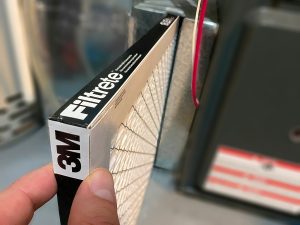
- Filtration: Your AC system’s filter traps airborne particles, preventing them from circulating through your home. High-efficiency filters, like HEPA filters, are particularly effective at capturing even the smallest allergens, reducing the number in your home’s air. You can boost your AC’s filtration power with an aftermarket whole-house filtering device. (Don’t worry, we’ll dive into the details later!)
- Humidity Control: High humidity can trigger allergies and asthma attacks and create an environment for allergens like dust mites and mold to thrive. Your AC helps maintain a comfortable humidity level, making it harder for these allergens to survive.
- Air Circulation: By keeping the air moving, your AC system prevents dust and allergens from settling on surfaces and accumulating in your home.
Tips to Improve Your Indoor Air Quality
While your AC can help reduce allergens, several ways to optimize your system for even better results exist. Here’s what you can do:
- Upgrade Your Filters: Standard AC filters are somewhat effective, but upgrading to HEPA filters high-efficiency particulate air filters) can capture much smaller particles. Florida AC filters need to be changed every 1-3 months.
- Install a UV Light System: An HVAC air purifier connects to your existing system to filter allergens and pollutants from the air throughout your entire home. Unlike portable units targeting only one room, this system provides whole-house allergy relief while boosting your HVAC unit’s efficiency.
- Install a Whole-Home Ionizer Air Purifier: Whole-home ultraviolet (UV) light systems are called “air sanitizers.” They are installed within your HVAC ducts or near the evaporator coil to kill bacteria, mold, and other pathogens, preventing them from circulating through your home.
- Regular Maintenance: Schedule regular AC maintenance to ensure your system is running efficiently and free of dust buildup. This includes cleaning the ducts and checking for mold or mildew growth, especially on the coils.
- Use an ERV (Energy Recovery Ventilator): An ERV helps improve ventilation by bringing in fresh outdoor air while expelling stale indoor air. It also helps maintain proper humidity levels, reducing the potential for mold and mildew growth.
- Keep Your Home Clean: Do your best to allergy-proof your home. WebMD recommends that you vacuum, dust surfaces, and wash bedding regularly to reduce the buildup of allergens in your home. Consider removing wall-to-wall carpeting, keep pets out of your sleeping area, and minimize fan use to avoid circulating allergens.
- Seal Windows and Doors: Prevent outdoor allergens from entering your home by sealing any cracks or gaps around windows and doors.
- Upgrade Your AC: If your air conditioning system is 10 years old or more, it’s time to update it to ensure the most efficient cooling, dehumidifying and air filtration.
ERVs: The Solution for Allergy Relief & Better Indoor Air Quality
An Energy Recovery Ventilator (ERV) is especially beneficial for allergy sufferers because it improves indoor air quality without sacrificing energy efficiency. It exchanges stale indoor air with fresh outdoor air while balancing humidity levels and enhancing your AC’s cooling efficiency. This process helps remove indoor air pollutants, respiratory irritants and allergens like dust mites, pollen, mold and pet dander.
Can My Air Conditioner Make My Allergies Worse?
Yes, your HVAC system can worsen allergies if not properly maintained. While ordinarily beneficial for allergy sufferers, an outdated, poorly functioning or dirty AC system can circulate dust, mold spores, and other allergens throughout your home. Dirty coils, clogged filters, and excess humidity can create the perfect environment for mold and mildew growth. Signing up for a routine AC maintenance plan ensures an HVAC expert will inspect your system and make timely repairs, keeping your air clean and your allergies under control.
Boost Your Allergy Relief: Call Your HVAC Technician to Maximize AC Air Filtration
Your AC system can be a powerful ally in the fight against allergies, but it’s vital to use it effectively. Upgrading your filters, adding UV light systems, using an ERV, and keeping your home clean can improve indoor air quality. Regular AC maintenance will keep your air conditioner running smoothly and address minor issues before they become big problems. With some HVAC upgrades, routine maintenance and new habits, you can significantly reduce allergens and breathe easier.
Indoor air quality is essential for your overall health and wellness, especially when someone in your home has allergy issues. If you’re concerned about your home’s air quality, contact an HVAC professional for the best solutions for you and your family.
Disclaimer: This article is for informational purposes only and should not be considered medical advice. Please consult a healthcare professional for allergy-related concerns.
Resources:
- Allergies Symptoms, Diagnosis, Management & Treatment. AAAAI [Internet]. Published 2022. Accessed March 13, 2025. Available from: https://www.aaaai.org/conditions-treatments/allergies
- Allergies – Symptoms and Causes. Mayo Clinic [Internet]. Published 2018. Accessed March 13, 2025. Available from: https://www.mayoclinic.org/diseases-conditions/allergies/symptoms-causes/syc-20351497