Why Air Filters Matter
HVAC air filters play a crucial role in maintaining the performance of your heating and cooling system. Their primary job is to trap dust, dirt, pollen, pet dander, and other airborne particles before they can enter the HVAC equipment. This not only keeps the system cleaner but also protects sensitive components, such as coils and motors, from premature wear and tear.
Beyond system protection, filters also improve indoor air quality by reducing pollutants that can irritate the lungs and worsen allergies. A clean filter helps ensure that the air circulating throughout your home is free from excess contaminants. When filters become clogged, they restrict airflow, causing your HVAC system to work harder and potentially leading to higher energy bills and more frequent repairs.
Protecting HVAC Components
Air filters trap dust, debris, and particles before they enter the system. This helps prevent buildup on coils, motors, and fans, reducing strain and extending system life.
Improving Indoor Air Quality
Filters remove common indoor pollutants, such as pollen, pet dander, and mold spores, helping those with allergies or respiratory conditions breathe more easily.
Signs an Air Filter Needs Replacing
There are several noticeable signs that your air filter may need to be replaced. One of the most common is a visible layer of dust or dirt on the surface of the filter. If the filter appears gray or opaque and blocks light, it’s likely no longer functioning effectively.
Another indicator is poor airflow through the vents, which can cause your HVAC system to appear as though it is struggling to maintain a set temperature. You may also notice more dust settling on furniture or an increase in allergy symptoms inside the home. These symptoms often mean the filter is clogged and unable to trap new particles, allowing them to circulate through your air ducts instead.
- Dust buildup on vents or furniture
- Weak airflow from supply vents
- Unusual increase in energy bills
- Musty or dusty odors coming from the HVAC system
- More frequent allergy symptoms indoors
- Visible dirt or discoloration on the filter
How Often Should You Change Your Filter?
The frequency at which you should change your HVAC filter depends on several factors, including the type of filter and the specific conditions in your home. Standard fiberglass filters typically need to be replaced every 30 days, while pleated filters may last 60 to 90 days. Higher-end filters, such as HEPA models, can sometimes last 6 months or more, but they still require regular inspection.
Your home environment also plays a significant role. If you have pets, smoke indoors, or live in an area with high pollen or dust levels, your filter may need to be changed more frequently. Running your HVAC system often, especially during extreme weather seasons, can also shorten the lifespan of the filter. Setting a regular schedule for filter checks can help prevent issues before they impact your comfort or your system’s performance.
Based on AC Filter Type
- Fiberglass filters: every 30 days
- Pleated filters: every 60–90 days
- HEPA filters: every 6–12 months (depending on use)
Based on Household Conditions
Homes with pets, large families, or individuals with allergies may require more frequent filter replacements. If you run your HVAC system constantly, monthly checks are recommended.
How to Check and Replace Your Filter
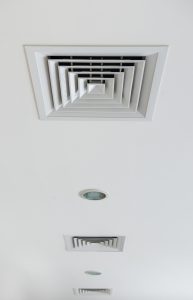
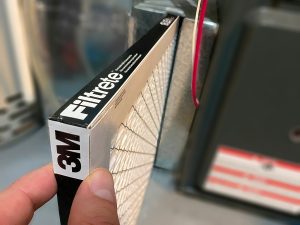
Checking your HVAC filter is a simple task that can help you avoid costly repairs and improve system efficiency. Start by locating the filter, which is typically found behind a return air grille or inside the air handler. Carefully remove it and inspect for visible dirt or discoloration.
If the filter looks dirty or clogged, it’s time for a replacement. Even if it appears clean, checking the filter once a month is a good habit to develop. Always replace it with a filter of the same size and type to ensure a proper fit and optimal airflow through your system.
Locating the Filter
Most air filters are found in the return air grille or inside the air handler. Slide it out carefully to check its condition.
What to Look For
If the filter looks gray, clogged, or dusty, it’s time to replace it. A clean filter should allow light to pass through.
Step-by-Step Replacement Tips
Replacing your air filter is one of the easiest forms of HVAC maintenance you can perform. Once you’ve located the filter and determined that it needs to be changed, follow these simple steps to complete the task safely and correctly:
- Turn off your HVAC system
- Remove the old filter
- Check the size and airflow direction
- Insert the new filter securely
- Turn the system back on
Staying Consistent With Air Filter Replacement
Replacing your HVAC air filter on time is one of the easiest ways to protect your system and improve indoor air quality. A clogged or dirty filter forces your HVAC unit to work harder, which can lead to increased energy use, more wear and tear, and reduced comfort in your home or business.
By regularly checking and replacing your filter as needed, you support better airflow, cleaner air, and a more efficient HVAC system. Whether you do it monthly or every few months depends on your filter type and indoor conditions, but staying consistent makes a noticeable difference in system performance.