
FL Lic. #CMC1250863
Compare HVAC-focused indoor air quality evaluations, filtration, UV, ionization, and whole-home air-treatment options for Palm Beach County homes.
Dust, odors, visible growth, moisture, uneven airflow, filter loading, and airborne particles do not all have the same source. First Degree reviews the concern, the installed HVAC system, filtration, airflow, moisture conditions, equipment access, and recent property changes before discussing products.
The goal is to connect each recommendation to a defined problem and a compatible HVAC application—not to treat one device as a cure for every indoor air quality concern.
Each option should be evaluated for a defined concern, a compatible HVAC system, suitable installation conditions, and realistic maintenance requirements.
A whole-system review of the concern, filtration, airflow, moisture, HVAC equipment, and practical next steps.
Review UV-C product fit, HVAC compatibility, placement, electrical requirements, access, and maintenance.
Review air-ionization product fit, compatible HVAC applications, placement, power, access, and maintenance.
Review in-duct product fit, HVAC compatibility, installation location, power, access, and owner care.
Review whole-home air-purification product fit, HVAC compatibility, installation, and ongoing maintenance.
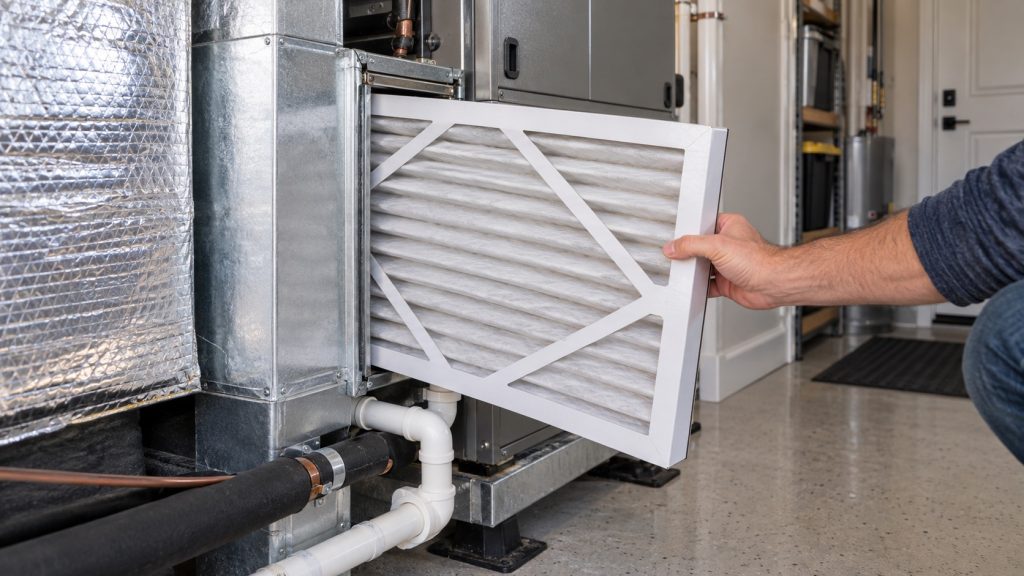
Evaluate filter dimensions, fit, replacement access, restriction, duct conditions, and the airflow needs of the system.
Describe the concern, affected rooms, timing, recent changes, and existing filtration. Review HVAC equipment, airflow, moisture, access, and visible conditions.
Separate observed conditions from assumptions and compare compatible filtration, UV, ionization, moisture, airflow, or source-control options.
Complete the approved work, verify relevant operation, and explain maintenance, replacement components, warranty, limitations, and remaining conditions.
Ask what problem the product is intended to address, why it fits the HVAC system, what documentation supports the application, what maintenance it requires, and which conditions it does not address.
Request the observed concern, likely sources, relevant HVAC conditions, and the reason a specific filtration, UV, ionization, airflow, or moisture strategy is being considered.
Review inspection, cleaning, replacement parts, indicators, service access, warranty terms, expected limitations, and any source condition that remains unresolved.
Call First Degree to explain what you are noticing and arrange an HVAC-focused evaluation.
Tell us the equipment brand, model, symptoms, and property location.
First Degree serves Indoor Air Quality Service throughout Palm Beach County. Recommendations account for the installed equipment, access, operating history, system conditions, and measured performance.
Share the property address, equipment model when available, symptoms, and access details when scheduling. Related support is available through our residential HVAC services and commercial HVAC services.
These answers provide planning guidance. The correct recommendation depends on the concern, source conditions, HVAC equipment, filtration, airflow, moisture, and product compatibility.
No. Different devices address different concerns, and none removes every source. Moisture, airflow, filtration, cleaning, source control, and ventilation may also matter.
Start with the concern and HVAC system. Compare intended application, compatibility, evidence, installation, maintenance, replacement components, and limitations.
It can if the system, filter area, cabinet, or duct conditions do not support the added resistance. Filter selection should account for airflow requirements.
Yes. Moisture can influence comfort, odors, condensation, and biological growth. The source and HVAC operating conditions should be evaluated.
Share the concern, rooms affected, timing, odors or visible conditions, recent work, filter size, HVAC service history, and any known moisture event.
Requirements vary by product and application. Follow the current manufacturer instructions and review access, cleaning, indicators, lamps, cells, or replacement parts.