Florida winters are mild compared to regions that experience frigid weather. But when you’re accustomed to hot, humid days, a drop into the 30s and 40s is bone-chilling in the tropics! Florida residents may wonder what the proper temperature settings are for wintertime and if heating is necessary here.
Let’s explore ideal winter thermostat settings, energy-saving tips and how to ensure your heating system runs smoothly after not being used for months.
Understanding South Florida Winter Weather
The Sunshine State is well-known for its tropical climate, but the winter months can still produce a cold spell. Residents in South Florida and on the Treasure Coast may experience daytime temperatures in the 60s and 70s (Fahrenheit), with the nights cooling off into the 40s. This mild winter may not call for heavy heat use, but you can use your heater to shake off the evening or morning chill for those extra chilly times.
What to Do if You Haven’t Used Your Heat in a Long Time?
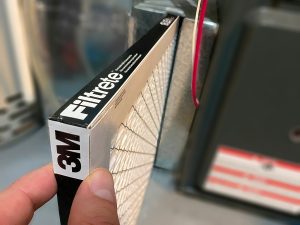
If it’s only a rare cold night you use your heat, check your heating system before a cold front hits. Dust can build up on HVAC systems that sit unused. When you turn it on, after a few minutes, you may notice a burning smell. To avoid this, run the heat for a few minutes on a mild day to clear out dust and ensure everything works smoothly. If you notice any strange noises, smells, or performance issues, have your system checked by a professional before the temperatures drop.
Comfortable Indoor Temperatures for Florida Residents in Winter
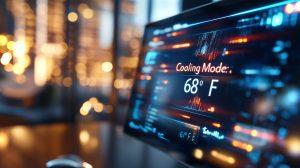
Indoor temperatures of 68°F to 72°F are usually cozy when it is in the 40s outside. Your ideal setting may vary based on comfort, home insulation, and outdoor conditions. Sunny days can naturally warm your space, allowing you to hold off on the heat until sunset.
Remember, humidity can make temperatures feel warmer or cooler than they are. On drier days, a setting as low as 66°F may feel ideal. Since outdoor temperatures fluctuate, adjust your thermostat for indoor comfort.
Factors that Influence Thermostat Settings
Your perfect winter thermostat setting depends on various factors beyond personal comfort:
- Outdoor temperatures can change dramatically throughout the day, especially in winter. Adjusting the thermostat based on the current temperature can prevent your home from becoming too warm or cold.
- Humidity levels in Florida can make 65°F feel colder on a humid day and warmer when it’s dry.
- Time of day affects indoor temperatures, with mornings and evenings typically cooler. Adjusting your thermostat during these hours can keep your home at a consistent comfort level.
Energy-Saving Tips During Winter Heating
Keeping energy bills manageable in winter is possible with a few simple thermostat strategies:
- Lower your thermostat when you’re away from home. A setting of around 62°F is energy-efficient yet warm enough to keep your home comfortable for your return.
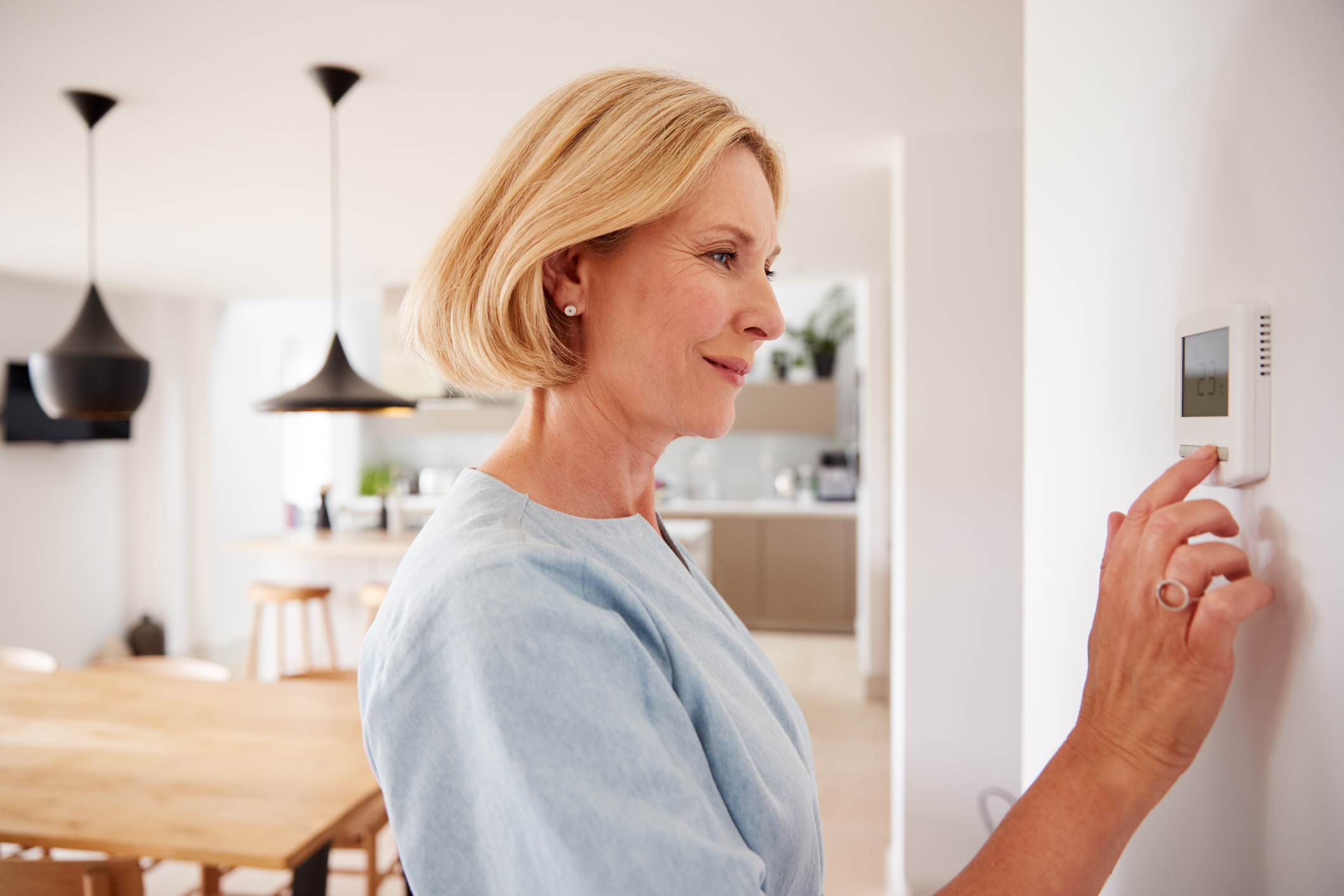
- Use programmable thermostats if possible, setting your preferred temperature only when you’re at home.
- Layers help keep you warm without over-relying on the heater. Florida winters are often mild enough that extra blankets or a cozy sweater can make a big difference in comfort.
Even if you only use your heater occasionally, these tips can help keep heating costs low while ensuring your home is comfortable on chilly nights.
Do I Even Need Heat During Mild Winter Days?
Florida’s mild winter often means that heating isn’t necessary every day. On days when temperatures stay above 65°F, your home will likely feel comfortable without heat. Instead, focus on natural heating options, like opening blinds or curtains to let in sunlight and warm up your space naturally.
When Should You Turn Your Heat On in Florida?
Using your heat is ultimately a personal decision, with outdoor temperatures, humidity, and your comfort preferences being factors in your decision. Turn on your heat if your indoor temperature falls below 66°F and it feels too cool. Pay attention to forecasted cold fronts and adjust your thermostat to maintain a warm, comfortable environment without overusing energy.
The best heat setting during Florida’s winter months is the one that maintains your indoor comfort balance. By keeping your thermostat set between 68°F and 72°F when at home and lowering it when away, you can stay comfortable without driving up your energy bill. And remember, a mild Florida winter often means you can keep heating to a minimum, letting the sunshine keep things cozy.