Improving indoor air quality has become a hot topic but is not just a fleeting trend. Homeowners are learning that indoor air is often more contaminated than outdoor air and are seeking ways to create a cleaner, healthier environment. One solution is adding UV light to your HVAC system. But when should you use a UV light air purifier, and is it the best choice for your family?
UV light irradiation might sound like something from a sci-fi flick, but it’s a powerful tool that homeowners can use when battling airborne viruses, bacteria and other pathogens. We’ll break down exactly what UV lights are, when you should use them and how to unlock their full potential for healthier, cleaner indoor air.
What Are HVAC UV Lights?
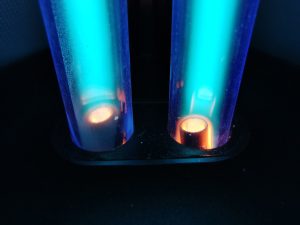
UV or ultraviolet lights are electromagnetic radiation called UV-C and have been used for years in various industries, including the medical field, to eliminate bacteria, mold spores, and other pathogens. In HVAC systems, UV lights are installed inside the ductwork or near the air handler to act as germicidal lamps. Their short-wavelength light destroys microorganisms before they circulate through your home. The UV-C rays disrupt the DNA of airborne contaminants like mold, viruses and bacteria, rendering them harmless and effectively disinfecting the air.
When Do You Need UV Lights?
Not every home needs UV lights for air cleansing, but for specific scenarios, they can be a game-changer in maintaining fresh, clean air. So, when should you consider installing UV light air purification in your HVAC system?
Persistent Mold Issues: UV lights can help prevent the spread of mold spores in homes in a humid climate like Florida or with a history of previous mold problems. They target the moisture-prone areas that mold loves, like the evaporator coil.
Family Health Concerns: If you or a family member suffers from allergies, asthma, autoimmune diseases or respiratory issues like COPD, UV lights can help eliminate airborne bacteria, viruses, and allergens that may escape capture in standard filters.
High-Performance Expectations: Eventually, mold and bacteria growth on your HVAC components can reduce efficiency. If your AC’s performance noticeably decreases, especially in high-humidity environments, UV lights can help improve efficiency by keeping internal components free from biological buildup.
Compromised Indoor Air Quality: Homes with pets, smokers, or multiple household members can quickly accumulate airborne particles and pollutants. If you’re struggling with poor air quality or frequent illnesses, UV lights neutralize germs to ensure healthier air circulates in the living space.
Indoor Odor Issues: If unpleasant odors come from your AC system, UV lights can effectively eliminate mold, mildew, and bacteria responsible for those foul smells.
Please Note: If you have an existing mold issue, active water leak, or water damage, UV lights won’t fix the problem. You must address these underlying issues before installing a UV air purifier for optimal results.
Types of HVAC Ultraviolet Lights
UV lights for HVAC systems come in two primary forms: coil sterilization and air sterilization. Both have unique purposes and understanding them will help you decide which type suits your needs.
Coil Sterilization Lights
These UV lights are professionally installed near the evaporator coil, where mold and bacteria can grow due to moisture from condensation. They run 24/7, continuously exposing the coil to UV light to prevent microbial growth. This ensures your air handler operates efficiently and stops harmful microorganisms from circulating through your home. Coil sanitizing lights are common in tropical, humid climates that rely on heavy AC use.
Air Sterilization Lights
Unlike coil sterilization lights, air sterilization UV lights offer in-duct air purification. They are mounted inside the ductwork and clean the air as it passes through the system. This light is more effective for treating airborne pathogens, especially viruses and bacteria, delivering cleaner, fresher air into your living space.
Both types of lights can be beneficial, but your choice will depend on whether you’re more concerned with keeping your system clean or improving the overall air quality. Your expert HVAC technician can help you choose the best option based on your needs and goals.
Are HVAC UV Lights a DIY Option?
Even if you are handy, installing UV lights yourself is not recommended. Professional installation is recommended to ensure they work effectively. HVAC technicians are trained to handle and install UV lights safely, which can damage your eyes if you aren’t careful. For best results, consult a professional HVAC company for HVAC UV light installation.
UV Lights Work Best When Paired with an Air Filter Upgrade
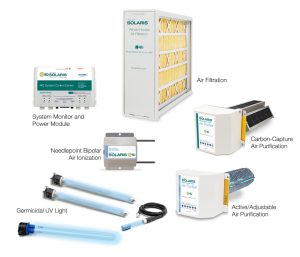
UV lights are powerful, but they are not a stand-alone option because they cannot trap or remove particles; they can only deactivate microorganisms. They work best when paired with a high-quality HEPA or MERV-rated air filter. Together, UV lights and an upgraded air filter can help you breathe easier by offering a more comprehensive approach to improving indoor air quality.
Are Whole Home HVAC UV Air Purifiers Worth It?
Air purifiers that utilize ultraviolet lights are a wise investment if you’re serious about sanitizing your indoor air and protecting your family from unseen airborne threats. While not every home will need them, if you’re dealing with high humidity, mold or health issues, UV-C lights can improve your air quality and your system’s efficiency. Remember that UV light purification is most effective when paired with high-quality air filters and regular HVAC maintenance.
Whole-home HVAC UV air purifiers are highly effective when used in the right conditions. If you’re concerned about indoor air quality in your home or business, consult a professional HVAC technician to determine whether a UV light air purifier is best for your situation.