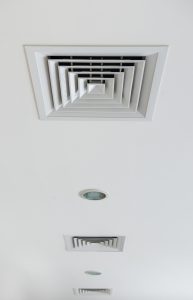
Is smelly air blowing from your AC vents? Stinky odors coming from one or all of your air vents can mean an issue is lurking within your system. It’s not always easy to pinpoint the cause, but the type of odor you smell could offer a clue about the odoriferous origin. Unusual smells from your AC system can indicate issues ranging from minor maintenance needs to potentially hazardous problems that need professional attention.
Depending on what’s causing your vents to reek, you may be able to resolve it yourself with some DIY fixes. Let’s take a good long sniff of the foul odors plaguing your home.
What’s That Smell? Common AC Odors and What They Mean
When your AC kicks on, are you struck by a pungent scent? Identifying the odor-causing culprit takes a little investigative work. If you can identify the type of smell you’ve been experiencing, you can figure out the problem and possibly remedy it yourself.
Here are some possible air conditioner odors to help you hone in on the unpleasant smell:
Dirty Socks or Stinky Feet
A musty smell is one of the most common and unpleasant aromas from AC vents and usually indicates the presence of mold or mildew. Your air conditioner acts as a dehumidifier as it cools. If the collected water doesn’t drain away correctly, leftover moisture can create an environment perfect for mold and mildew growth. This can happen if moisture accumulates in your air ducts, the drain line is clogged, or the coil is dirty.
Burning Smell
A burning or smoky smell could mean that something is overheating. A burning smell accompanied by a popping noise may indicate an electrical failure that may cause sparks. If the smell is worse around your air handler, you might have an issue with the electrical components or a broken fan motor. Using your heater after a long period of inactivity can cause a burning scent that often goes away on its own. If the smell gets stronger, doesn’t cease or smells like burning plastic, turn off your system and call a professional HVAC technician immediately.
Rotting Garbage
A dead and decomposing animal within your AC system, attic or crawlspace produces one of the most distinct and overwhelming smells. The odor may be described as putrid or rancid and may get stronger the longer the carcass remains in your home. Depending on the size and location of the dead animal, you may need an HVAC company to access it and a restoration company to clean up the affected area.
Rotten Egg or Sulfur
There is no mistaking the sulfuric smell of a natural gas leak. Sulfur or rotten egg smell in your living space could be a natural gas leak. It is highly flammable and dangerous for humans to breathe in. Open your windows and exit the building. Call your gas company and emergency services right away.
In some cases, a rotten egg smell can indicate an animal has passed away in your air ducts, attic or crawlspace, and it will need removal and cleanup.
Fresh Struck Matches
If you notice a sulfur smell that is reminiscent of freshly struck match (and not rotten eggs), you may have a short in the circuit board or other electronic or mechanical failure.
In some cases, homes built in the early 2000s were plagued by defective drywall that caused a foul odor and health issues. Some drywall hasn’t been replaced, and the corrosive gas it emits can make your home smell and cause health concerns and failures in electronics, including air conditioners.
Sewage or Dirty Water Smell
The smell of raw sewage permeating throughout your home is a major concern. Unfortunately, the source of this foul stench is actual sewage and indicates a leak or backup. Your air conditioning system can easily circulate this rancid odor, making it hard to identify where the problem is. The only solution is to call a plumber to find and fix the issue.
Chemical Smell
If you smell chemicals like formaldehyde or a sweet, strange odor, it could be from refrigerant leaks. A refrigerant leak affects AC performance and can harm your health.
DIY Fixes for Bad AC
If the smell isn’t too overpowering and you’ve established that it’s not hazardous to you and your family, there are some DIY steps you can try to address it.
Here’s what you can try to rid your home of any stinky stinks:
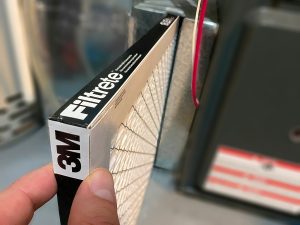
- Clean or Change the Air Filter: A dirty filter can trap moisture, causing musty odors. Replacing your air filter every 1–3 months helps keep air circulating cleanly.
- Clear the Drain Line: Clogged drain lines allow condensate water to back up and promote mold growth. You can try to clear blocked drain lines with a shop vac and then slowly pour a water-vinegar solution into the drain pan.
- Check for Visible Mold: If there’s visible mold around your vents or AC unit surfaces, clean it with a solution of baking soda, water, and vinegar or buy a pre-made mold-killing product. If the mold is extensive within your air ducts or coils, contact an HVAC professional for safe removal and follow up with a mold remediation company to locate the source of mold within your home.
- Run the Fan Mode: If moisture is the issue, turning on the fan without cooling can help dry out damp spots in the system, reducing musty smells.
When to Call the HVAC Pros For Stubborn AC Odors
In some cases, DIY solutions may resolve your minor AC vent smells independently, but some super-stinky issues require professional help to ensure safety and thorough resolution.
Call a reputable HVAC company if you have:
- Lingering Odors: If DIY methods don’t remove the odor, it could be a deeper problem that needs professional tools and expertise.
- Burning, Sulfur, or Chemical Smells: As mentioned earlier, smells like burning, sulfur, or chemicals can indicate hazardous conditions. An HVAC pro will safely identify and fix the underlying issue.
- Extensive Mold or Mildew: If you suspect a significant mold or mildew infestation, an experienced HVAC technician must thoroughly clean the area to prevent it from spreading. You may also consider consulting with a mold specialist to ensure your home is mold-free.
Funky odors may require professional help to resolve the issue and stop the putrid air from circulating through your AC system. Your system may need attention beyond your DIY scope, such as:
- Evaporator coil cleaning
- Air duct cleaning
- Refrigerant leak detection and repair
- Fouled electrical or mechanical components
Banish Unpleasant AC Aromas and Keep Your Air Fresh
When an unpleasant or foul odor comes from your air conditioner vents, it’s essential to address the issue immediately. Figuring out the funky smell will help guide you to the possible cause and whether you should try a DIY fix. Routine maintenance and prompt attention to strange odors can keep your AC running smoothly and provide fresh, clean and safe indoor air,
If you can’t locate the cause of the malodorous aroma or the result of a serious issue, call the HVAC pros. They’ll be able to track down the cause of the stench and get your AC fixed up and smelling fresh.
Hazardous fumes, such as gas, burning equipment, or strong, unpleasant odors from decaying rodents or mold, require immediate professional assistance to protect your health and safety.