Summertime temperatures mean your air conditioner is working hard. It’s such a relief to walk into the cool air in your living space, but what happens when you notice water dripping from or pooling around your AC unit? A leaking air conditioner can quickly become a cause for concern. Leaks indicate a potential problem lurking within your system and can lead to water damage if left unaddressed. Several issues can cause your air conditioner to leak water; fortunately, some are DIY fixes.
Common Causes of Air Conditioning Water Leaks
A leaky AC can be a headache and create a sopping wet mess, but it’s vital to figure out what’s causing it. Anything from an overflowing drain pan to a frozen coil can cause water to drip from your unit.
To dry up any water leaks, here are some possible issues that can cause your air conditioner to drip water:
Clogged Condensate Drain Line
A clogged drain line is one of the most common causes of an AC leak. Over time, dirt, dust and bacterial sludge can build up in your drain pan and drain lines, blocking the water flow. The result is water that backs up and overflows from the drain pan onto your floors, walls or ceilings, depending on your AC unit location.
Dirty Air Filter
A dirty or clogged air filter can restrict airflow over the evaporator coil, causing it to become frigid. When the coil gets too cold, condensation buildup can occur, which may overwhelm the drain pan and result in leakage.
Frozen Evaporator Coil
Restricted airflow or low refrigerant levels can cause the coil to freeze. As the ice melts, the excess water produced during the melting process can drip outside the unit or overflow the drain pan.
Damaged or Disconnected Drain Pain
The drain pan below the evaporator coil collects condensation as it drips and channels it away from the unit. A water leak can occur if the pan cracks, rusts, or is positioned incorrectly.
Refrigerant Leak
Losing refrigerant affects the cooling capacity of your air conditioner and can also lead to water leaks. Low refrigerant levels can cause the evaporator coil to malfunction, resulting in excessive condensation and leakage.
Malfunctioning Thermostat
A thermostat that isn’t working as intended can cause a water leak in your AC by disrupting the cooling cycle. If the thermostat can’t sense the temperature accurately, it may fail to signal the system to cycle off at the correct time. This malfunction can lead to excessive cooling, causing the coil to freeze and thaw, resulting in a water overflow or leak.
Tips for Troubleshooting a Leaky Air Conditioner
Check the Drain Line
Go outside and check to see if your condensate drain line is flowing. Inspect it for any signs of blockage or clogging. You can use a wet/dry vacuum to remove debris or buildup obstructing the drain line.
Replace the Air Filter
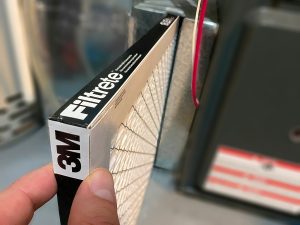
Replace dirty or clogged air filters with new ones to improve airflow and prevent condensation buildup on the evaporator coil. Changing air filters will keep your AC system cooling effectively and reduce cooling costs.
Thaw Frozen Coil
If you suspect the evaporator coil is frozen or can see ice, turn the unit off and allow the coil to thaw completely. Once thawed, check for any signs of blockage or restricted airflow around the coil.
Inspect the Drain Pan
Check the drain pan for cracks, rust, or misalignment. If it is damaged, immediate replacement will prevent water leaks.
Check for Refrigerant Leaks
If your AC unit repeatedly freezes, does not cool effectively, or leaves a water puddle, contact a certified HVAC technician to perform a leak detection test and recharge the system if needed.
What to Do If AC Unit Is Still Leaking
An air conditioning leak is inconvenient, but it indicates that your unit has an issue. If you followed the troubleshooting guidelines and your system is still leaking, it’s time to seek a reputable HVAC company to prevent further water damage to your home.
A certified HVAC technician can conduct a comprehensive check of your AC system to diagnose the cause of the leak. Depending on the inspection findings, your air conditioner may require a repair to fix the damaged components, unclog a blocked drain line or recharge the refrigerant. Remember, regular maintenance services are essential to running your AC smoothly and efficiently year-round.