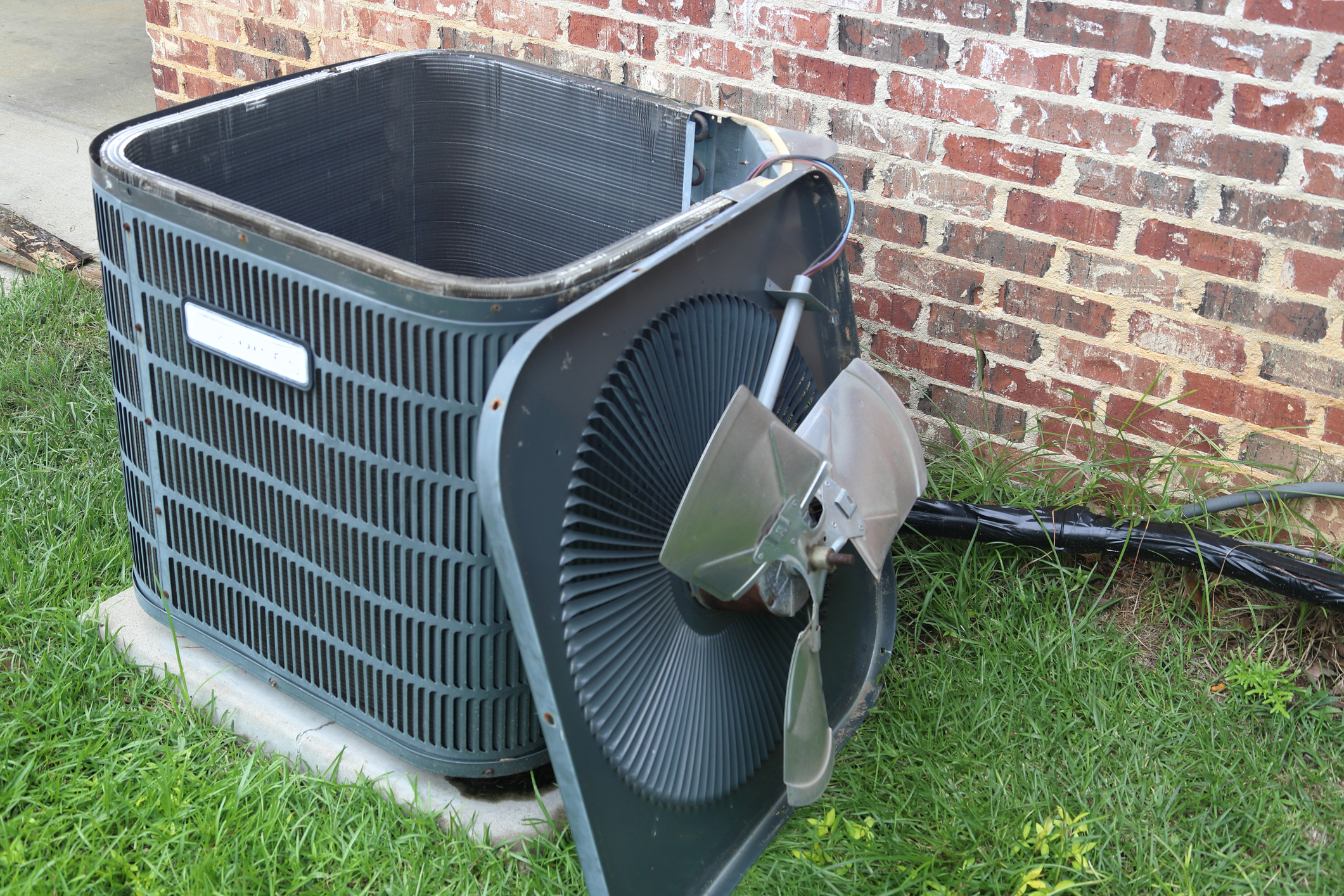
If you’ve stepped outside on a chilly morning and noticed steam rising from your HVAC unit, you’re not alone. This is a common concern, particularly among new heat pump owners, who may mistake the steam for smoke or assume something is wrong. However, in many cases, what you’re observing is entirely normal and can actually indicate that your system is functioning correctly.
Outdoor HVAC units, particularly those connected to heat pumps, enter a mode known as defrost cycle during colder months. This process causes the system to briefly reverse its regular operation, melting frost that can form on the coils. As the ice melts, it produces vapor that exits the unit, often looking like steam rising into the air. It may look alarming at first glance, but it’s actually a built-in function designed to protect your equipment and maintain performance.
What Triggers the Defrost Cycle?
During normal heating mode, a heat pump pulls thermal energy from the outdoor air and transfers it indoors. While doing this, the outdoor coils naturally cool down. When humidity in the air condenses on those cold coils, it freezes—especially in damp or foggy weather. Over time, this frost buildup can affect the system’s performance and restrict airflow through the unit.
To counteract this, your system is programmed to recognize when a certain level of frost is present. At that point, it temporarily switches into defrost mode. This isn’t random or timed—it’s triggered by sensors that detect conditions like coil temperature and system pressure. Once defrosting begins, the unit uses warm refrigerant to melt the ice buildup, preventing efficiency loss and potential damage.
What Happens During Defrost Mode?
Several key things happen when your outdoor HVAC unit enters defrost mode. First, the outdoor fan motor shuts off. This might seem counterintuitive, but it helps the unit build up heat more quickly, allowing it to melt the frost more effectively. Without the fan blowing cold air across the coils, the system defrosts more efficiently.
Next, the reversing valve activates, temporarily shifting the unit from heating to cooling mode. This causes warm refrigerant to circulate through the outdoor coil, where it melts the accumulated frost. Meanwhile, your indoor system engages auxiliary or backup heat to maintain a comfortable temperature in your home during this brief cycle. Within a few minutes, the system returns to heating mode and resumes regular operation.
The steam you see during this process is just vapor from the melted frost hitting the colder outdoor air. It’s not smoke, and it typically clears within a few minutes.
When Is It a Problem?
Although steam is generally harmless, there are a few cases where it may indicate a more serious issue. The most important thing to look for is the presence of a burning smell, which can point to an electrical problem. If you also hear loud noises, such as popping, grinding, or buzzing, it may signal a mechanical fault inside the unit.
If your heat pump appears to be constantly entering defrost mode or the steam continues for unusually long periods, this may indicate a faulty sensor, control board issue, or refrigerant problem. While the defrost cycle is normal, it shouldn’t run excessively or interrupt system operation too frequently.
Visual inspection helps, but avoid opening or tampering with any components unless you are adequately trained. When in doubt, it’s better to turn off the system and contact a technician for evaluation.
Why New Heat Pump Owners Often Notice It First
If you’ve recently installed a heat pump or moved into a home with one, you may be unfamiliar with its operation. Unlike traditional air conditioners or furnaces, heat pumps operate year-round and must handle both heating and cooling duties. The defrost mode is a unique feature of heat pump systems and may catch first-time users off guard.
Because the fan stops spinning and a puff of vapor rises from the top or sides, it’s not uncommon for homeowners to assume the motor has failed or something is burning. In reality, this behavior is by design and essential to maintaining the system’s full efficiency during colder weather.
Other Reasons You Might See Steam or Mist
While the defrost cycle is the most common cause, other factors can occasionally produce a steam-like appearance around your HVAC unit:
- High humidity: On cool mornings, condensation can rise like mist even without defrost mode.
- Heavy rain or sleet: Water evaporating from the unit’s surface may create visible vapor.
- Nearby landscaping or drainage: Runoff pooling around the base can cause moisture to evaporate when the unit heats up.
In these cases, the vapor is generally brief and doesn’t return unless similar weather conditions occur again.
Know What’s Normal and When to Call a Professional
Seeing steam from your outdoor HVAC unit can be surprising, but in most cases, it’s just your system doing its job. The defrost cycle helps prevent frost buildup that would otherwise reduce performance or cause long-term wear. Understanding how and why it works can offer peace of mind—and prevent unnecessary service calls for issues that aren’t really problems.
That said, if the steam is accompanied by unusual sounds, electrical odors, or repeated cycling, it’s time to get it checked. A licensed HVAC technician can inspect your system, verify that it’s defrosting properly, and ensure that no other mechanical or electrical problems are present. Addressing minor issues early helps protect your equipment and maintain reliable heating throughout the season.