In sunny Florida, where humidity and allergens can often be challenging, maintaining good indoor air quality is essential for comfort and health. Many homeowners seek ways to improve the air they breathe inside their homes, but the distinction between air filters and air purifiers can be confusing.
While both are crucial for creating a healthy indoor environment, they serve different functions and are designed to tackle various types of airborne contaminants. Understanding the differences between these two devices is key to making the right choice for your home’s air quality needs.
Understanding Air Filters and Air Purifiers
Indoor air quality is crucial for maintaining a healthy living environment. However, many homeowners are often confused about the differences between air filters and air purifiers. This article aims to demystify these two essential components of indoor air quality management by exploring their functions, types, benefits, and why having both in your home is beneficial.
What Are Air Filters?
Air filters are devices designed to remove particles and contaminants from the air as it passes through a filtration system. They are commonly used in HVAC (heating, ventilation, and air conditioning) systems to improve air quality and ensure efficient operation.
Types of Air Filters
Fiberglass Filters: These are the most basic type of air filter made from layers of fiberglass fibers. They are inexpensive but only capture larger particles.
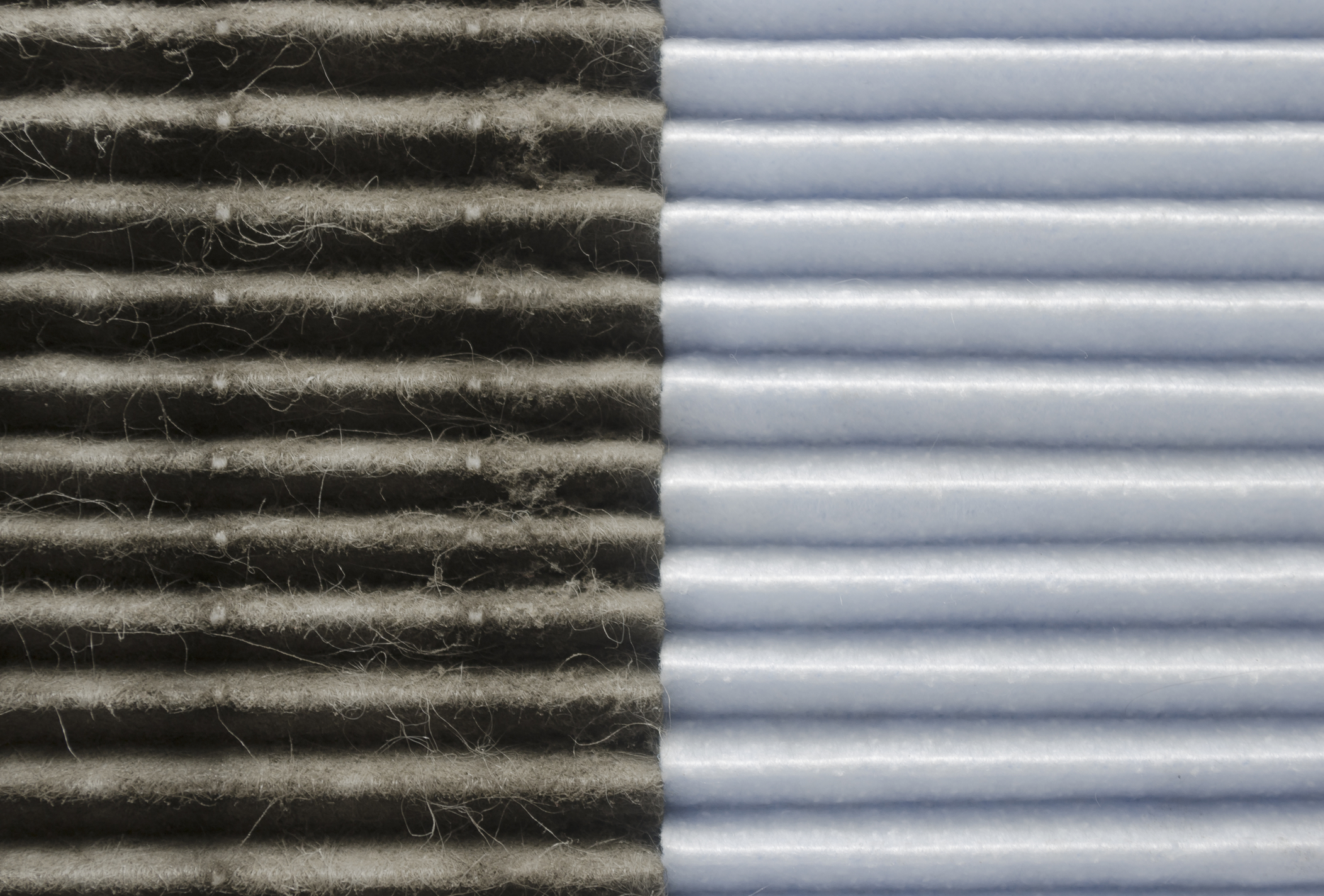
Pleated Filters: Made from polyester or cotton, these filters have a larger surface area and can capture smaller particles than fiberglass filters.
High-Efficiency Particulate Air (HEPA) Filters: These filters can remove up to 99.97% of airborne particles that are 0.3 microns or larger. They are highly effective for people with allergies or asthma.
Electrostatic filters use an electric charge to attract and trap particles. They are washable and reusable, making them a cost-effective option.
What Are Air Purifiers?
Air purifiers, also known as air cleaners, are devices that remove contaminants from the air to improve indoor air quality. Unlike air filters that are part of an HVAC system, air purifiers are usually standalone units that can be placed in different rooms as needed.
How Air Purifiers Work
Air purifiers draw in air from the room, pass it through one or more filters, and then circulate the cleaned air back into the room. The effectiveness of an air purifier depends on the type of filters it uses and the size of the room.
Differences Between Air Filters and Air Purifiers
While air filters and air purifiers aim to improve indoor air quality, they do so in different ways and are used in different settings.
- Installation: Air filters are integrated into HVAC systems, whereas air purifiers are standalone units.
- Function: Air filters primarily remove larger particles from the air passing through HVAC systems, while air purifiers can target a broader range of pollutants, including odors, chemicals, and microorganisms.
- Maintenance: Air filters require regular replacement or cleaning as part of HVAC maintenance, whereas air purifiers often have separate filters that need changing periodically.
- Coverage: Air filters work on the air circulated through the HVAC system, whereas air purifiers can be moved to different rooms as needed for localized air cleaning.
Benefits of Using Air Filters
Air filters play a crucial role in maintaining the efficiency and longevity of HVAC systems. They also contribute significantly to improving indoor air quality.
- Improved HVAC Efficiency: Clean air filters help maintain proper airflow, reducing strain on the HVAC system and enhancing its efficiency.
- Healthier Air: Air filters reduce allergens and irritants by trapping dust, pollen, and other particles, promoting better respiratory health.
- Cost Savings: Regularly maintained air filters can prevent costly repairs and extend the life of HVAC systems.
Benefits of Using Air Purifiers
Air purifiers offer additional benefits, particularly for individuals with health sensitivities or those living in areas with high levels of air pollution.
- Allergy Relief: Air purifiers can capture allergens like pet dander, dust mites, and pollen, providing relief to allergy sufferers.
- Odor Elimination: Many air purifiers have activated carbon filters to remove unpleasant odors from cooking, pets, or tobacco smoke.
- Enhanced Air Quality: Air purifiers can significantly improve indoor air quality by removing volatile organic compounds (VOCs) and other pollutants.
- Portable Solutions: Air purifiers can be moved from room to room, allowing targeted air cleaning where it is most needed.
Why Homeowners Should Have Both
Combining air filters and air purifiers can provide air quality management in your home. While air filters ensure that the air circulating through your HVAC system is clean, air purifiers can offer targeted air cleaning for specific rooms or areas with higher pollution levels.
- Whole-Home Coverage: Air filters work continuously as part of the HVAC system, providing a baseline level of air cleaning throughout the home.
- Targeted Cleaning: Air purifiers can be used in bedrooms, living rooms, or other high-use areas to enhance air quality where it matters most.
- Health Benefits: Combining both systems can significantly reduce the presence of allergens, pollutants, and pathogens, contributing to overall better health and well-being.
Understanding the roles and benefits of air filters and air purifiers can help homeowners make informed decisions about improving indoor air quality. Both systems ensure a cleaner, healthier living environment for you and your family.