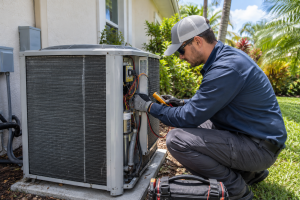
Maintaining clean and healthy indoor air has become a priority for many families. Concerns about air quality and its health impact have more homeowners than ever exploring ways to improve their indoor air. Indoor air can contain allergens, pollutants and other airborne particles that can irritate or cause various health issues. A popular solution to enhance air quality is the installation of HVAC air purifiers (also called air cleaners).
What’s In My Indoor Air?
Americans spend most of their time inside, so indoor air quality has become a concern. Because indoor air is recirculated, pollutants become concentrated over time if the air isn’t cleaned regularly.
According to the EPA, indoor air can contain pollutants such as:
- Tobacco smoke
- Pet dander
- Mold and mold spores
- Volatile organic compounds VOCs (from products and building materials)
- Particulates from fireplaces and indoor cooking
- Allergens
- Dust and dust mites
- Bacteria
EPA researchers have linked poor indoor air quality to headaches, congestion, dizziness, irritation of the eyes, nose and throat, fatigue, respiratory diseases, cardiovascular disease and cancer. Pollutants can trigger allergies, asthma and frequent respiratory illness, especially in susceptible populations.
How Does a Whole-Home Air Cleaner Work?
Many people are familiar with portable air purifiers, but whole-home air cleaners are integrated into your HVAC system. They clean the air as it circulates throughout your home rather than just cleansing the air in one room. These systems rely on technology to effectively remove pollutants, allergens and other airborne particles:
- Electrostatic Precipitation: These charged particles, as they pass through, cause them to stick to metal plates. This method effectively removes smaller particles that a filter alone misses.
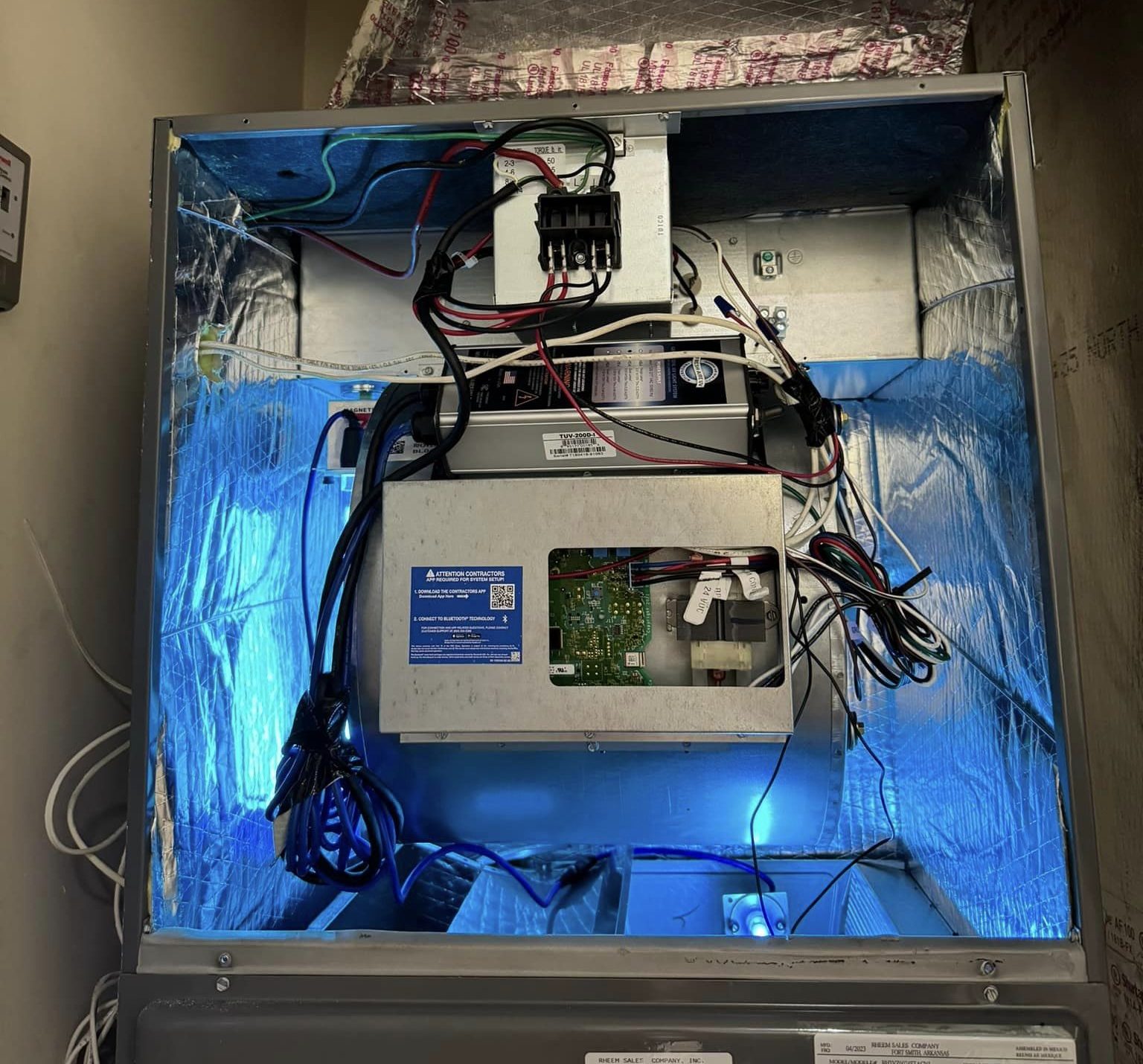
- UV-C Light: Ultraviolet germicidal irradiation (UVGI) uses UV-C light to kill or inactivate microorganisms such as bacteria, viruses, and mold spores. This technology enhances air purification best with HEPA or advanced media filtration methods.
Are HVAC Air Cleaners Worth the Money?
Investing in a whole-home air purifier is a significant financial decision, with costs ranging from a few hundred to several thousand. To determine if the investment in an air purifier is worth it, ask yourself the following questions:
- Does someone in your home suffer from allergies, asthma or other respiratory issues?
- Does someone smoke regularly in your home?
- Do you have dust accumulation in your home?
- Do you have indoor pets?
- Are there young children or elderly individuals in your home who might be more sensitive to air quality?
- Do you live in an area with high levels of air pollution?
- Have you noticed any mold or mildew issues in your home?
- Do you want to reduce odors from cooking, pets, or other sources?
- Are you concerned about bacteria or viruses in your indoor air?
- Do you often use cleaning products or other chemicals that might release volatile organic compounds (VOCs) into the air?
- Are you looking to improve indoor air quality for a healthier living environment?
- Have you considered cleaner air’s potential long-term health benefits versus the initial investment cost?
If you’ve answered yes to any of these questions, you already know that indoor air cleanup is an investment in your health and well-being. If you’re still deciding whether it’s worth it, let’s examine the benefits of a whole-home air purifier.
Benefits of an HVAC Air Purifier
The benefits of installing an integrated HVAC air cleaner far outweigh those of a portable, one-room air purifier.
Whole-home air purifiers offer a range of benefits that can make them a worthwhile investment for many homeowners:
- Lower operational cost than portable units
- Enhanced indoor air quality
- Increased HVAC efficiency
- Reduced harmful chemical pollution
- Kills airborne pathogens
- Removes mold spores
- Eliminates smoke and odors
- Reduces allergens
- Convenient and discreet
- Not disruptive or noisy like portable air cleaners
Best HVAC Whole-Home Air Purifiers
When selecting a whole-home air purifier, consider your needs, budget, and the technologies that best address your air quality concerns.
iWave-R: Ideal for residential HVAC systems and uses needlepoint bipolar ionization to reduce airborne particles, pathogens and odors. Its effectiveness, ease of installation and low maintenance needs make it a popular choice.
REME HALO: This whole-home purification system is installed in your HVAC system’s ductwork. It uses Reflective Electro Magnetic Energy (REME) technology to produce hydroperoxide plasma, which actively reduces airborne and surface contaminants such as bacteria, viruses, mold spores, odors, and VOCs.
Fresh-Aire UV: This line of whole-home air cleaners relies on ultraviolet (UV) light to disinfect and improve indoor air quality. These systems are installed in your ductwork where the UV light helps eliminate airborne bacteria, viruses, mold and other microorganisms. Fresh-Aire UV products are known for their effectiveness in reducing microbial contaminants and preventing mold growth on HVAC coils, which can improve system efficiency and air quality. With multiple models, they are ideal for both residential and commercial spaces.
If you’re unsure which whole-home air cleaner is right for you and your family, talk to a trusted HVAC company for expert guidance and professional installation services.