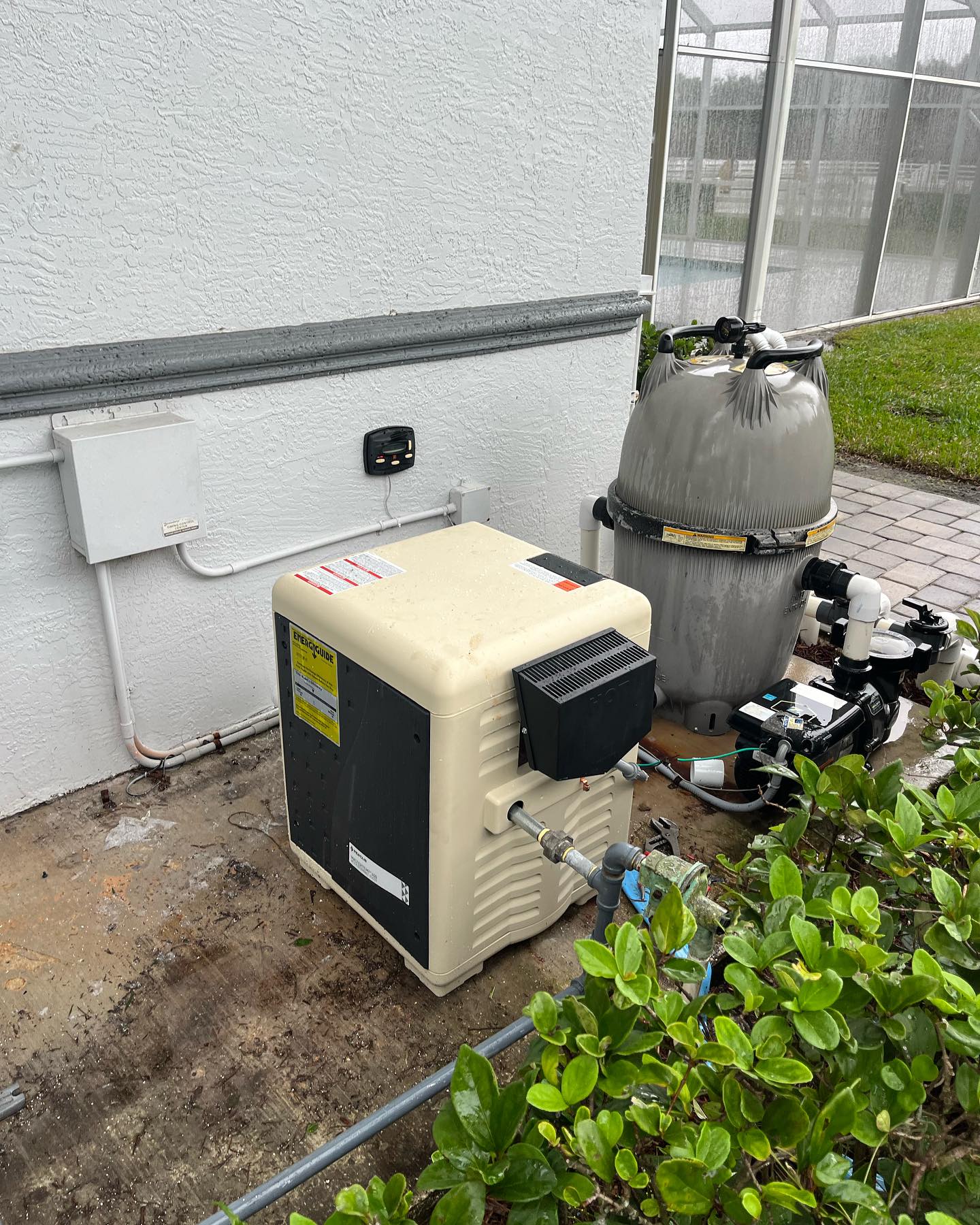
You probably don’t give your pool heater much thought when you’re splashing around in warm water or swimming laps on a crisp day. But if the water suddenly isn’t as warm as usual—or not warm at all—that’s a sign something’s up. Like any mechanical equipment, pool heaters can wear out, break down, or malfunction. Whether you have a gas or electric model, it’s worth knowing the common issues that can damage your heater and shorten its lifespan.
Common Issues That Destroy Your Pool Heater Over Time
A broken heater can quickly turn your backyard oasis into a no-fun zone. The good news? Most heater breakdowns don’t just happen—they’re usually the result of preventable problems.
1. Corrosion from Pool Chemicals
Regular water testing and balanced chemistry aren’t just for swimmers—they protect your heater, too. Even one instance of low pH (below 7.2) indicates acidic water that can corrode metal parts, such as the heat exchanger. High chlorine levels also cause corrosion. When shocking your pool, always turn off and bypass your heater, because a single spike in chlorine or drop in pH can seriously damage your equipment.
Pro Tip: Never add chlorine upstream of your pool heater, and avoid placing chlorine pucks in the skimmer.
Got a saltwater pool? Salt may be gentler on your skin, but it’s tough on pool heater parts! Opt for a salt-compatible heater that’s protected with a sacrificial anode to fend off corrosion.
2. Scale Buildup
When your pool water has a high pH or high mineral levels, it can leave behind scale—hard, calcium- and magnesium-based deposits that coat the inside of your heater. This buildup acts like insulation on the heat exchanger, making it difficult to heat your water. Over time, scale can restrict water flow, causing overheating, short cycling, and even permanent damage. Saltwater pools with high TDS are prone to scaling, so regular water balance checks are a must.
Swim-Smart Reminder: If your heater can’t keep water warm or keeps turning on and off, scale buildup might be the cause. Regular water tests and professional cleanings help prevent damage and keep it running smoothly.
3. Blocked or Dirty Filters
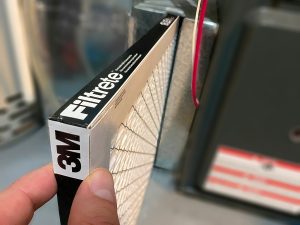
Your pool heater requires a steady water flow to function properly. When the filter is clogged, the flow slows down, causing the heater to overheat, work overtime, or shut down completely. Over time, that extra strain can damage internal components and hike up your energy bills.
Swim-Smart Reminder: A dirty filter doesn’t just affect water clarity—it can damage your heater. Clean or replace filters regularly to keep things flowing smoothly (and heating efficiently).
4: Security Concerns and Window Damage
Pool heaters are cozy hideouts for critters, especially in cooler or wet months. Rodents can chew through wires, nest inside the unit, and even damage metal coils. Insects, such as ants and cockroaches, can clog filters or vents, leading to overheating and shutdowns. Even dead bugs can mess with water flow.
Helpful Advice: Keep pests out by trimming nearby bushes, sealing openings, and using pest-proof covers on your pool equipment pad.
5. Maintenance & Installation Issues
Even the best pool heater won’t last long if it’s installed wrong or never gets serviced. Improper plumbing, poor venting, or low gas pressure can lead to soot buildup, overheating, or constant shutdowns. A heater that’s too small for your pool will struggle to keep up and wear out faster. And if you skip regular tune-ups, minor problems can quickly escalate into major repairs.
Swim-Smart Reminder: Bigger isn’t always better, but properly sized is.
6. Florida’s Extreme Environment
Florida may be paradise, but its weather and environmental factors are tough on pool heaters. Salt air near the coast is highly corrosive, especially when mixed with high humidity and that ever-present sun. If you have a saltwater pool, the evaporating mist can speed up rust and electrochemical damage. Sprinklers don’t help either; well or city water can cause corrosion with regular use of the spray. Add in summer storms, flying debris, and power surges, and it’s no wonder Florida heaters need extra care to survive.
Weather Tip: If you live near the coast, consider a weather-resistant heater, install a protective cover, and keep sprinklers pointed away from your equipment pad.
Pool Heater Rules: Protect It, Maintain It, Make It Last
Pool heaters don’t usually fail overnight—it’s the little things that wear them down. Whether you’ve got gas, electric, or a heat pump, regular upkeep, balanced water, and weather protection can add years to its life. In tropical spots like South Florida, the same weather we all love is often the sneaky culprit behind equipment failures. The best times to service your heater? Before pool season kicks off and again when you shut things down for summer.
A little care goes a long way toward keeping your warm water flowing without interruption. Proper pool water and heater maintenance will keep your pool at the perfect temperature, extending the swim season into a year-round splash fest.