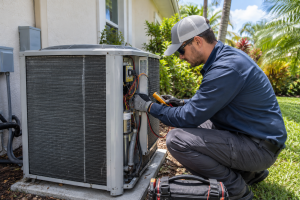
Pool heaters are essential for maintaining comfortable swimming temperatures, especially during cooler seasons or in cold climates. Like any equipment, pool heaters require routine maintenance to operate efficiently and increase their lifecycle. Not taking preventative measures leads to decreased product performance, costly repairs or premature failure resulting in replacement.
Understanding Pool Heater Maintenance
Even if you don’t use your pool heater regularly, they are exposed to environmental factors like debris accumulation, mineral deposits and wear and tear when operating. Neglecting your pool heater can significantly impact its efficiency and reliability. Pool heaters should be inspected and maintained annually by a qualified professional. Remember, pool equipment installed on beachfront properties is exposed to the corrosive effects of salt mist, requiring more frequent servicing.
The Importance of Regular Maintenance
Regular pool heater maintenance ensures its optimal performance, which helps reduce energy usage and lower electric bills. Having your pool heater professionally maintained also helps identify minor problems before escalating into more significant issues requiring costly repairs or replacement. Between service calls, we recommend homeowners check for potential pool heater issues that may pop up between maintenance visits.
Essential Pool Heater Maintenance Practices
Electric and gas pool heaters are significant investments that you’ll want to keep in good operating condition to avoid expensive repairs or replacements. Whether you are attempting DIY pool heater maintenance or you’ve called in a professional, knowing what to look for or expect is essential to keep it functioning safely and efficiently all season. Remember to power off the heater before doing any inspection or cleaning.
Here are several vital points to check during your pool heater system maintenance:
Regular Cleaning
Debris, such as leaves, twigs, and insects, can block the heater’s intake and exhaust vents, obstructing airflow and reducing efficiency. Regularly inspect and clean these vents to ensure unobstructed airflow and optimal performance.
Proper Chemical Balance
Proper water chemistry prevents corrosion, damage, equipment failure, and scale buildup within the heater’s internal components. Weekly testing and water chemistry adjustments ensure pool water is within the recommended parameters because poorly maintained water is terrible for equipment and unsafe for swimmers.
Leak Inspection
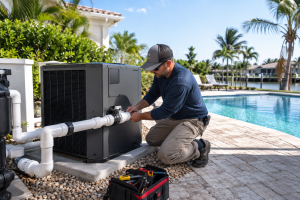
Check for any signs of leaks or corrosion in the heater’s plumbing connections, valves, and fittings. Promptly addressing leaks helps prevent corrosion and water damage, prolonging your pool heater’s life.
Professional Servicing
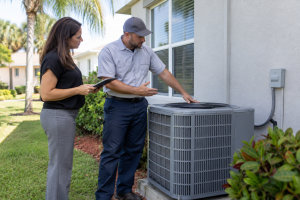
While pool owners can safely perform some maintenance tasks, specific heater components, such as gas or electrical connections, should be inspected and serviced by a qualified professional. Schedule routine servicing to ensure your pool heater is functioning correctly and efficiently.
Winterization
Homeowners in colder climates where temperatures drop below freezing need to winterize pool heaters to prevent damage due to freezing temperatures. When you close your pool for winter, remember to winterize your heating system. Follow manufacturer winterization procedures or contact a pool heater specialist for help.
Common Pool Heater Issues
Whether using a gas or electric pool heater, you may have issues requiring troubleshooting and repair by a qualified pool heater service tech. Some common pool heater problems included:
- Reduced heating capacity
- Pilot light/ignition issues (gas heaters)
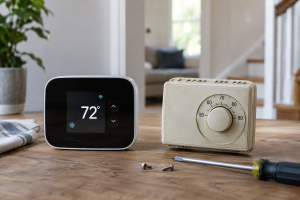
- Thermostat issues
- Short cycling (turning on & off)
- Electrical problems
- Thermal cut-off (electric)
- Control board malfunctions
Protect Your Pool Heater with Preventative Care
Proper maintenance is essential for ensuring your pool heater functions efficiently and getting the entire lifecycle out of your equipment. By keeping a routine maintenance schedule and tending to issues quickly, you and your family will enjoy swimming year-round while minimizing the expense of repairs. Check with your HVAC company for service; many AC techs are cross-trained in pool heater maintenance and repair. Schedule your pool heater preventive care to keep your heating system performing at its best for years.