Living in Florida, dubbed the Sunshine State, means enjoying over 230 sunny days yearly. South Florida, in particular, is famous for its warm, tropical summers and mild winters, making it a hot spot for living and vacationing. While these temperatures are perfect for outdoor activities, they can make achieving the ideal indoor comfort level challenging. Residents rely on central air conditioning all year to maintain a comfortable home environment. But what are the best thermostat settings for Florida’s unique climate?
If you’re tired of the thermostat battle between what’s comfy and what’s affordable, let’s explore ideal seasonal thermostat settings. With a little guidance, Floridians can strike the perfect balance between energy efficiency and indoor comfort year-round.
Factors That Influence Temperature Settings
- Outdoor temperature: Naturally, when it’s hot outside, you’ll want to set your thermostat to a cooler temperature, and during cooler weather, the opposite applies.
- Humidity levels: In Florida, humidity can make the air feel hotter than it actually is. On particularly humid days, raising your thermostat a few degrees can maintain comfort while reducing strain on your system.
- Time of day: Temperatures often peak in the afternoon and drop in the mornings and evenings. Adjusting your thermostat accordingly can help maintain all-day comfort.
- Personal comfort: Everyone has their own comfort threshold. If you’re consistently too hot or cold, tweak the thermostat until you find the ideal setting.
- Ideal sleep temperature: Medical professionals recommend keeping bedrooms between 65-68°F for the best sleep.
- Pet needs: Pets, like cats and dogs, can adjust to temperature fluctuations, but fish, amphibians and reptiles cannot so check with your vet for ideal indoor temperatures for these critters.
- Safe houseplant limits: If you’re feeling uncomfortable, your plants likely are too. Keep your houseplants healthy by keeping temperatures between 50°F and 85°F.
- Baby on board: Infants cannot communicate whether they are hot or cold but between 68°F and 72°F is a good indoor temperature range. Too warm puts babies at risk of SIDS and too chilly can cause babies to wake up
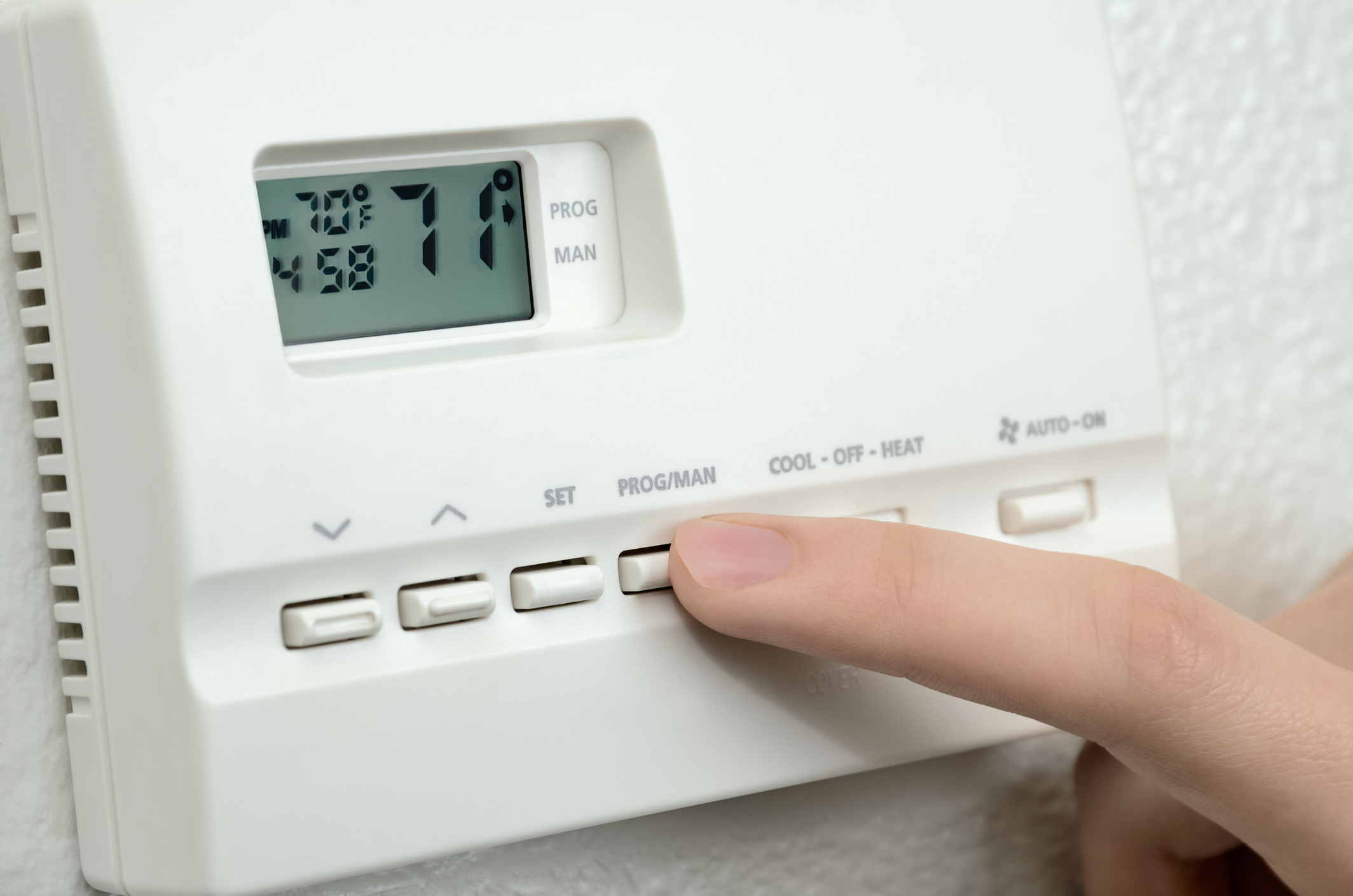
Pro tip: Consider installing a smart thermostat to automatically adjust your indoor temperature while helping to reduce energy costs.
Spring Thermostat Settings (March to May)
Spring in South Florida tends to be warm but not scorching, with daytime average temperatures ranging from 75°F to 85°F. This warm-up signals residents to use their AC if they aren’t already. Setting your thermostat between 74°F and 76°F keeps your living space comfortable without straining your system. If you are looking for money savings, consider setting your daytime thermostat at 78°F for better energy efficiency. Using ceiling fans can help circulate the air and keep you comfy without having to lower the temperature.
Summer Thermostat Settings (June to August)
South Florida summers are notoriously hot and humid, with temperatures regularly soaring into the 90s or higher. With heat indexes often over 100°F, energy use spikes as air conditioners work harder to maintain indoor comfort. The U.S. Department of Energy recommends setting your thermostat to 78°F when you’re home. While that may seem warm, this setting efficiently maintains both comfort and energy savings. If you prefer it cooler, choose a setting that keeps you comfortable without overworking your AC.
When you’re gone for the day, thermostats set around 82°F can help prevent unnecessary AC use. Investing in a programmable thermostat lets you adjust temperatures while you’re away, saving energy costs while ensuring the home is cool when you return.
Fall Thermostat Settings (September to November)
Fall in South Florida can feel like an extension of summer, with temperatures still in the high 80s. Since it’s a tad cooler than summer, you may be able to raise your thermostat a degree or two without sacrificing comfort. Setting your central air to 76°F to 78°F during the day usually keeps your home comfortable, while cooler evening temperatures provide relief overnight. In the fall, with lower humidity, your AC won’t have to work as hard as it did during the summer months.
Florida Winter Thermostat Settings (December to February)
Florida winters are mild, with average highs around 75°F and lows rarely dipping below 60°F. Many residents like to take a break from heavy AC this time of the year. Setting your thermostat to 70°F to 72°F during the day should be sufficient. At night, you can raise it to 74°F to conserve energy and remain comfortable.
For the rare cool snaps, you may want to switch to heat mode and keep your thermostat set around 68°F to provide warmth without using too much energy.
Tips for Maximizing Comfort and Efficiency
Here are some changes you can make in your home to help keep your space cool and comfortable year-round.
- Use a Programmable Thermostat: Forgot to adjust the thermostat before leaving for work? No problem! A programmable thermostat lets you pre-set cooling schedules for weekdays, weekends, and even bedtime, ensuring your AC only runs when needed, saving energy when no one’s home.
- Ceiling Fans: Even with the AC on, ceiling fans can help circulate cool air in occupied rooms, allowing you to keep the thermostat a few degrees higher.
- Regular Maintenance: Clean or replace your AC filters regularly and schedule annual or bi-annual maintenance to keep your system running efficiently all year long.
- Humidity Control: South Florida’s humidity can make the air feel warmer than it is. If your AC isn’t controlling humidity well, a dehumidifier can help. An AC technician can assess humidity levels and recommend an in-system dehumidifier if needed for better moisture control.
For even more ways to stay cool and save on energy bills, don’t miss our expert guide to Best Cooling Practices —packed with expert tips to maximize comfort and minimize costs!
Best Seasonal Thermostat Settings in Florida
Finding the best thermostat setting for your Florida home can help keep you and your family comfortable while keeping your energy costs down. South Florida’s tropical climate often means air conditioners run year-round, but by optimizing your thermostat setting season by season and keeping your system well-maintained, it will be ready no matter the weather.
Whether it’s the scorching summer or the mild winter, adjusting your thermostat to your highest ideal temperature can maintain comfort without sacrificing energy efficiency. A few small tweaks can make all the difference in keeping your home cozy every season.
Struggling to find the perfect thermostat setting? Let us upgrade your thermostat so you can take control of your comfort and cooling efficiency!