Changing your air conditioner filter is only part of the necessary maintenance the air conditioning system requires. ACs are expensive appliances for homeowners, and preventative care is essential for optimal performance and longevity. Routine service prevents costly breakdowns, enhances energy efficiency and ensures proper air quality. By having your AC professionally maintained, homeowners can save on expensive repairs and extend the lifespan of the system, which helps provide consistent indoor comfort and equipment reliability.
What Should Preventative AC Maintenance Include?
Depending on your AC system type and usage, AC maintenance ranges from once-a-month filter changes and drain line purging to semi-annual in-depth inspections and tune-ups. All residential and commercial air conditioners can benefit from a yearly maintenance service call to ensure the system runs efficiently, avoid air quality issues, and avoid costly equipment failure.
Here is a list of touchpoints a comprehensive HVAC maintenance checklist should include:
Clean or Replace Air Filters
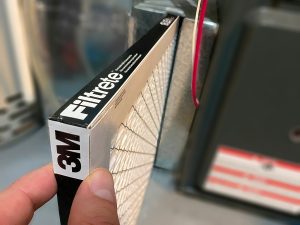
Filters trap unwanted particles like dust, pollen, pet dander, allergens, pollutants and mold spores, preventing them from circulating in indoor air. Dirty filters can obstruct airflow and reduce efficiency. Scheduled air filter cleaning or replacement promotes healthy air quality, eases the burden on the system and enhances overall performance.
Add Algaecide to Drain Pans
The moisture collected in drain pans is the ideal environment for algae, mold and bacteria to grow, creating a drain line clogging slime. Adding pan tabs during routine maintenance prohibits microbial growth, reducing the risk of clogs and potential water damage.
Clean Condensate Drain Pans and Vacuum or Purge Drain Lines
Clearing condensate drain pans and vacuuming or flushing drain lines prevents blockages caused by debris accumulation. Drains that flow freely ensure proper moisture removal, preventing water damage and mold growth within the system.
Thorough Inspection of Thermostats & Controls
A meticulous examination of thermostats and controls ensures accurate temperature regulation, system responsiveness and efficient performance. Calibration adjustments or replacements are made to maintain precise control over indoor climate settings, keeping humidity at bay and providing comfortable temps.
Heating Inspection
While primarily focused on cooling, AC servicing may include inspecting heating components to ensure they function correctly in systems with dual functionality.
Temperature Checks
Assessing discharge air, outside, condenser discharge, and return air temperatures provides insights into system performance and efficiency. Discrepancies indicate potential issues that require further investigation.
Lubrication of Moving Parts
Lubricating the motor and moving components reduces friction and wear, prolonging the lifespan of critical system parts and ensuring smooth operation.
Examination of Condenser and Evaporator Fan Motors
Checking condenser and evaporator fan motors ensures they operate efficiently and aren’t subject to undue strain. Proper motor functioning is crucial for adequate airflow and heat exchange.
Comprehensive Evaluation of Compressor
The compressor is the heart of the air conditioning system. A thorough inspection ensures it operates within optimal parameters, addressing potential issues that could compromise cooling efficiency.
Assessment of Evaporator and Condenser Coils
Check evaporator and condenser coils for dirt buildup or damage. Clean coils facilitate efficient heat exchange, while damaged coils impair cooling performance, reduce equipment lifespan, and increase energy consumption.
Verification of Compressor Relay and Air Flow
Inspecting the compressor relay and assessing airflow ensures seamless operation and prevents potential breakdowns due to electrical or airflow issues.
Examination of Wiring, Fan Belts, and Cabinets
Inspecting wiring, fan belts, and cabinets ensures structural integrity and electrical safety. Loose connections or damaged components are promptly addressed to prevent malfunctions or hazards.
Thorough Reporting of Identified Issues
Any identified issues, such as minor adjustments or significant concerns, are meticulously documented and reported to the homeowner. Transparent reporting enables informed decisions regarding necessary repairs or upgrades.
Schedule Routine AC Service with a Qualified HVAC Professional
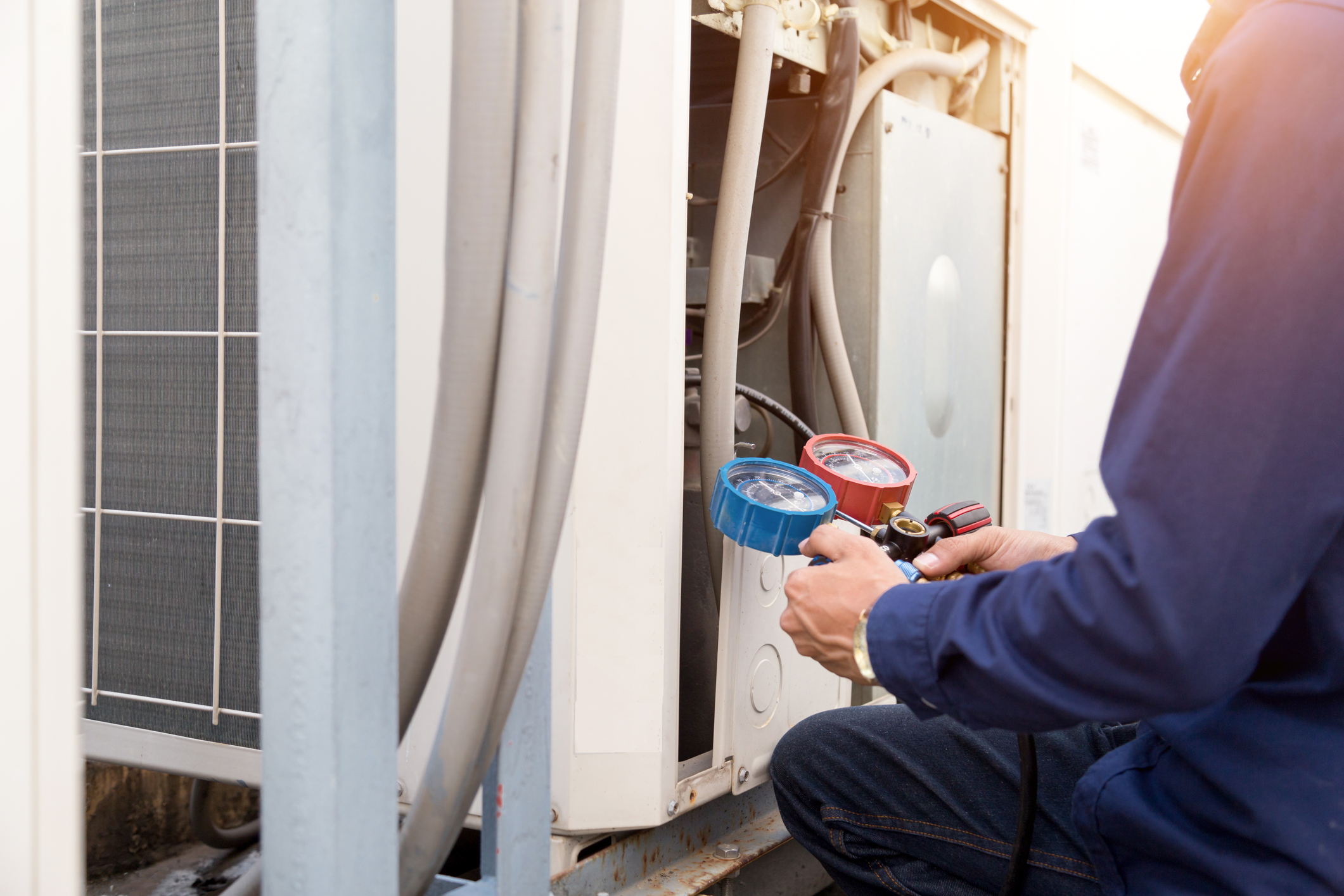
Not all scheduled HVAC maintenance appointments are the same. Unfortunately, some HVAC companies fail to thoroughly check your system for many reasons, such as time constraints, lack of experience or oversight. In some situations, companies may exploit homeowners’ limited AC knowledge and cut corners during service. Skipping maintenance or hiring an unscrupulous company will sacrifice the integrity of your system, increase your electric bill, and reduce your cooling capacity.
When scheduling your routine maintenance, check the company’s online reviews and ask what your AC tune-up includes. When hiring a trusted HVAC contractor, many offer comprehensive maintenance plans and multi-point preventative checklists in writing, ensuring peace of mind and confidence in the service you receive.