It’s the middle of a scorching day, and you’ve just returned to a hot house—no humming air conditioner, no cool air when opening the front door. Not only is this frustrating, but it’s uncomfortable when the temperatures and humidity are high. Before you panic and imagine the worst-case scenario, there are several common reasons your residential air conditioner isn’t turning on. With guidance, you may be able to resolve your air conditioner issue yourself.
Reasons Why Your Air Conditioner is Not Turning On
Homes get hot fast when your air conditioner refuses to turn on. Thankfully, in many situations, it’s just a simple DIY fix to get the AC system up and running again.
Here are several possible reasons why your residential AC system won’t turn on:
Thermostat Settings
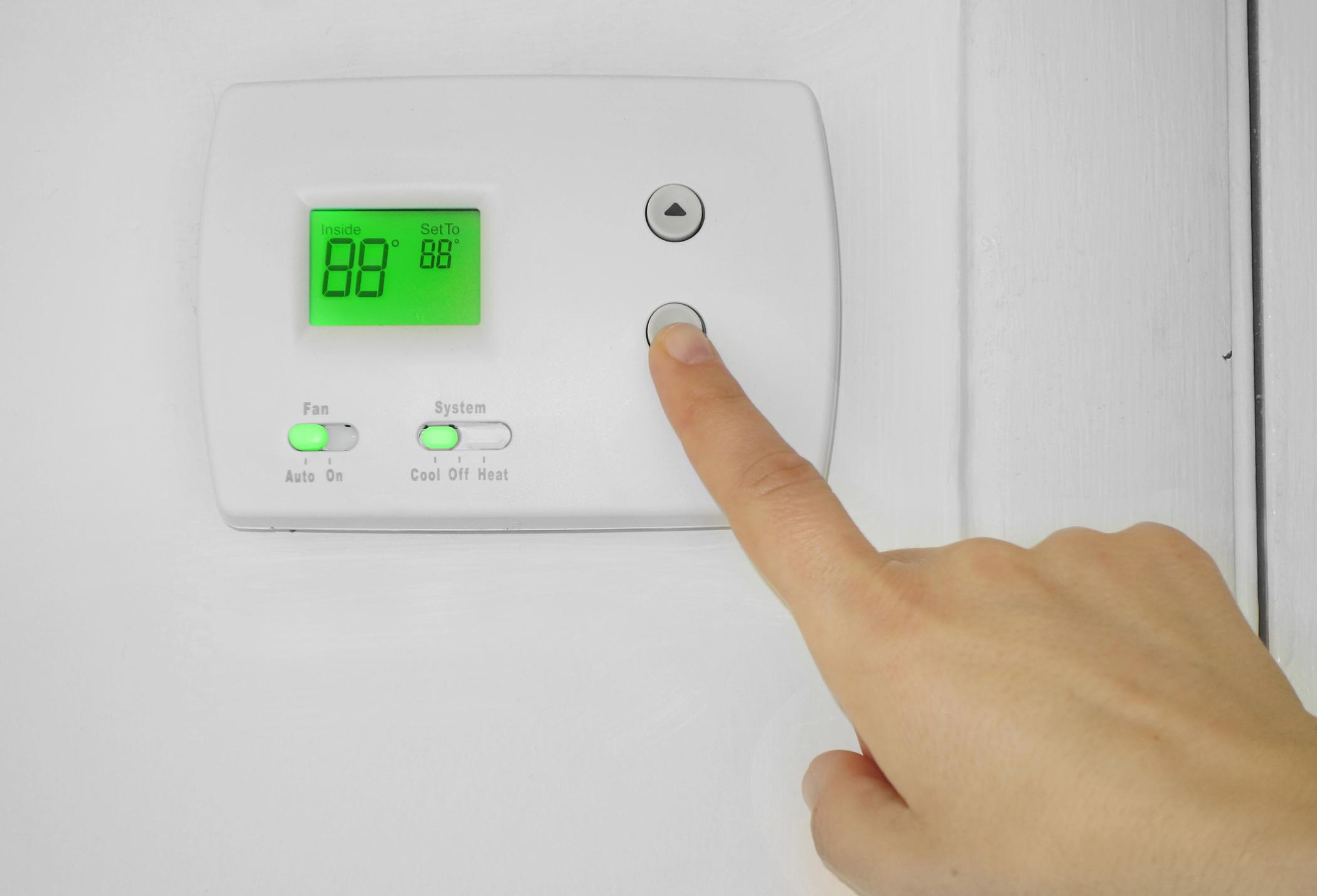
One of the most common (and often overlooked) reasons for your AC unit not turning on is incorrect thermostat settings. Check that your thermostat is on and set to “cool” mode and that the temperature is set lower than the current room temperature.
Tripped Circuit Breaker
Homeowners should know where their electrical panel is located in the residence. If the breaker for the AC unit is tripped, a quick peek in the electrical panel will let you know. To restore power to the unit, reset the tripped breaker.
Blown Fuse
Like a tripped breaker, a blown fuse can stop your AC from receiving power and cause it to stop working. Check the fuse box connected to your HVAC system and replace any blown fuses.
Dirty Air Filters
Clogged air filters restrict airflow and may cause your air conditioner to malfunction. Replace dirty air filters often to ensure proper airflow and system efficiency.
Condensate Overflow Switch
If your air conditioner’s condensate pan is back up, the drain line is clogged, or the condensate overflow switch is malfunctioning, it can prevent the AC from turning on. Using a wet/dry vac, clear the drain line of obstructions and ensure that the overflow switch is functioning correctly.
AC Unit Frozen
If you notice ice on your AC components, allow them to thaw for up to 24 hours before attempting to restart. The problem may be a clogged coil due to dirt, which blocks airflow and causes freezing. Low refrigerant or fan malfunctions can also trigger this. If you identify your AC is frozen, call an HVAC pro.
Faulty Capacitor
Capacitors are essential components that help start the motors in your AC unit. If a capacitor is faulty or worn out, it may prevent the compressor or fan motor from starting. An experienced HVAC technician can quickly diagnose and replace faulty capacitors.
Compressor Issues
Problems with the compressor, such as overheating or electrical issues, can also prevent your AC from turning on. Compressor issues often require professional repair or replacement.
Troubleshooting Tips When Your AC Won’t Turn On
Check Power Supply
Check the power switch near the outdoor unit to ensure your AC receives power. It should be in the “on” position.
Inspect Air Vents
Check that all air vents and registers are open and unobstructed, allowing efficient airflow throughout your home.
Clean the Outdoor Unit
Remove any debris, leaves, or dirt accumulated around the outdoor unit. Restricted airflow can cause your AC system to overheat or malfunction.
Inspect the Thermostat
Check the thermostat batteries. Ensure the thermostat is calibrated correctly and mounted away from heat sources or direct sunlight.
Schedule Regular Maintenance
Regular maintenance by a certified HVAC technician can help prevent issues and identify potential ones before they become costly repairs. Professional maintenance ensures the AC system operates efficiently, especially during summer.
AC Unit Still Not Working?
If you’ve tried troubleshooting your AC and it still refuses to turn on, it’s time to bring a professional HVAC tech in. Attempting to repair your AC unit without proper training and expertise can be dangerous and may cause further damage. An experienced HVAC technician can diagnose the problem and recommend the appropriate repair or replacement. Whether it’s a bad capacitor, compressor problem or electrical issue, a skilled HVAC tech can get your AC back up and running just in time to beat the heat.