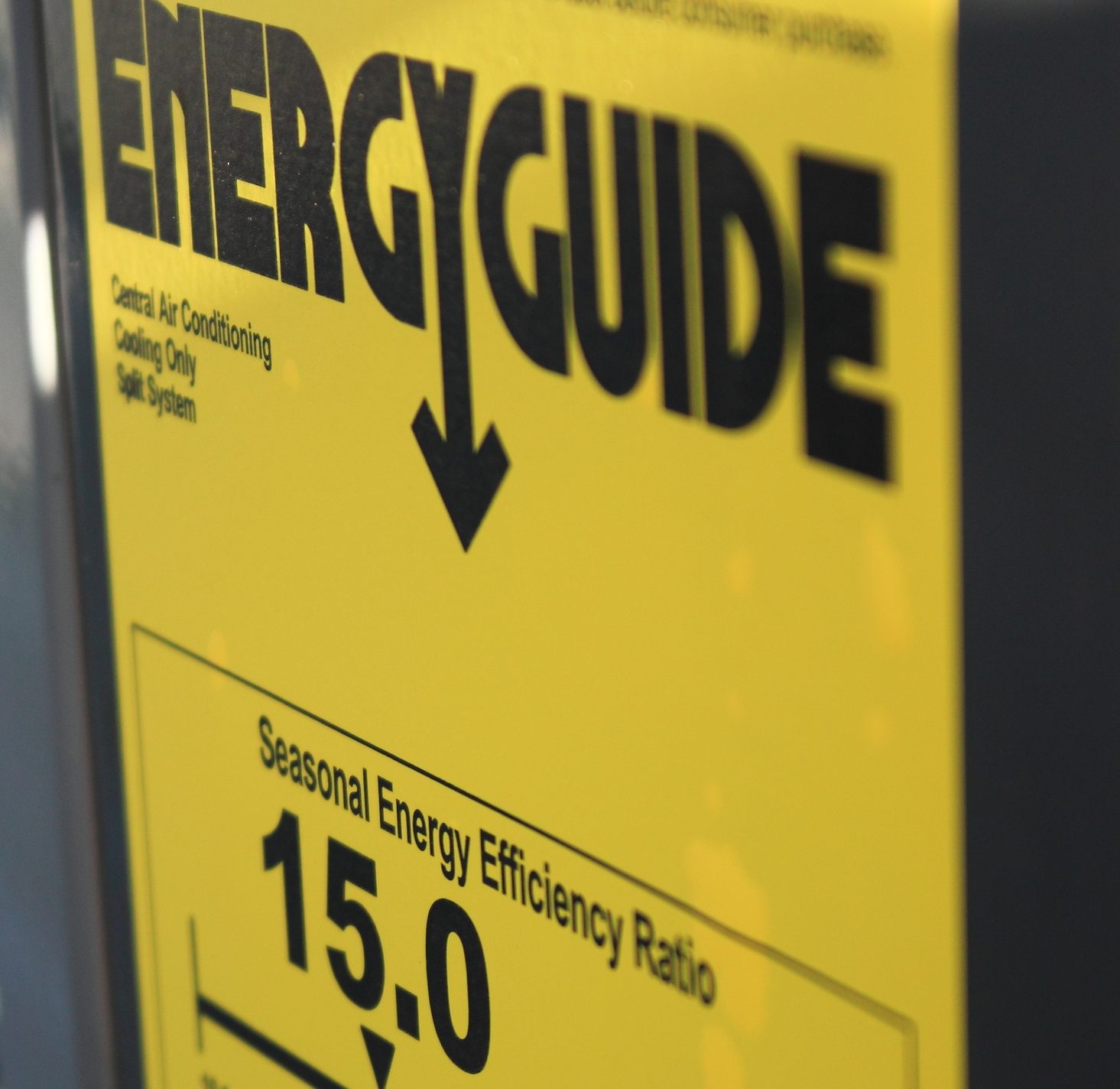
When you’re ready to replace your air conditioning system, an essential factor is the SEER rating. The SEER (Seasonal Energy Efficiency Ratio) measures how efficiently an AC unit consumes energy. The energy usage directly affects your electric bills and the system’s eco-friendliness.
While there is no ‘one-size-fits-all’ answer to determining a good SEER rating, generally, the higher the number, the more efficient the unit is. A unit with a SEER rating of 17 or above is considered high efficiency, while SEER 15 meets the minimum required for a unit to still be considered energy efficient.
Whether you’re looking for a central AC unit that balances upfront costs with long-term savings or you prioritize maximum energy efficiency, there’s a SEER rating that fits your needs. Understanding SEER ratings will guide you in choosing the air conditioner that best aligns with your energy goals and budget.
What is a SEER Rating?
SEER ratings tell you the maximum efficiency of an air conditioner, similar to how we measure gas mileage for vehicles. The faster you drive, the more gas you use. Simply put, the harder your AC runs, the more energy it consumes. SEER ratios are calculated by dividing the total cooling output during a typical cooling season by the total energy consumed. The resulting number is an average that indicates the maximum efficiency you can achieve with your new AC.
The higher the SEER rating, the more efficient the air conditioner, which can cool your home faster using less energy. However, your system will only reach these standards in near-perfect conditions, and when variables such as outdoor temperatures or thermostat settings change, the unit’s efficiency can fluctuate.
What is the Minimum SEER Rating for Florida ACs?
In Florida, the minimum SEER rating required by law since January 1, 2023, is 15 (or SEER2 14.3, but more about later). This change ensures that air conditioners are efficient enough to handle Florida’s demanding climate without consuming excessive energy. Homeowners can opt for higher SEER ratings to further reduce energy use and costs.
Minimum SEER Ratings Chart by Region
According to the Department of Energy, the new minimum SEER ratings for the northern and southern states:
What is SEER2?
When the Department of Energy (DOE) rolled out new minimum SEER requirements, they also changed how HVAC units are measured. SEER2 stands for Seasonal Energy Efficiency Ratio 2 and represents the total heat removed from the conditioned space during the annual cooling season.
What SEER Rating Should You Choose to Save More Money on Energy Bills?
If saving money on energy bills is your priority and you’re open to higher upfront costs, a unit with a SEER rating between 17 and 28 is a smart choice. These high-efficiency systems use less energy, leading to substantial long-term savings. Although they come with a higher initial cost, reducing your energy bills can make them a valuable investment.
Is the Higher Cost for More Efficient HVAC Systems Worth It?
Deciding whether the higher cost of a more efficient air conditioning system is worth it depends on your specific situation. As previously mentioned, units with higher SEER ratings (SEER 17 and above) cost more upfront but offer more significant energy savings over their lifetime. The result is lower monthly electric bills and a reduced carbon footprint.
If you’re on a tighter budget, a unit with a lower SEER rating, such as 15, may be ideal for bigger upfront savings. Units with a SEER rating between 15 and 18 still offer reasonable efficiency at a lower initial cost, making them a good option for those looking to balance cost and performance.
How to Determine the Best SEER For Your Home
Choosing the right SEER rating impacts both short- and long-term costs. If reducing your carbon footprint and increasing energy efficiency are priorities, a higher SEER unit is worth the investment. If initial cost is a concern, a unit with a lower SEER rating meeting minimum requirements offers savings upfront and over the unit’s lifespan.
If you’re unsure which SEER rating is right for your home, consulting an HVAC expert like First Degree Air Conditioning can help. They can assess your cooling goals, budget, and home needs to recommend the ideal system, ensuring you achieve the perfect balance of energy efficiency, comfort, and cost.