Article Updated: February 16, 2026
Cooling costs in Florida can account for a large portion of a home’s monthly electric bill, especially during peak summer months. With high humidity and temperatures often exceeding 90°F, air conditioning systems run longer and work harder to maintain comfortable indoor conditions. This constant operation leads to increased energy usage and higher utility expenses.
Fortunately, homeowners can reduce cooling costs without sacrificing comfort. By adjusting thermostat settings, improving home efficiency, and properly maintaining HVAC equipment, it is possible to significantly lower air conditioning expenses throughout the summer.
Summer Cooling Costs in Florida
In hot and humid climates like Florida, air conditioning systems often run for extended periods throughout the day and night. Because cooling systems must remove both heat and humidity, they consume more energy than systems in milder climates.
Energy experts estimate that cooling alone can account for up to 40 percent of a home’s electric bill during the peak summer months. Even small temperature adjustments can affect operating costs. For example, lowering the thermostat below the recommended settings can noticeably increase cooling costs over time.
Understanding how cooling systems use energy helps homeowners make smarter decisions to improve efficiency and reduce monthly costs.
Thermostat Settings
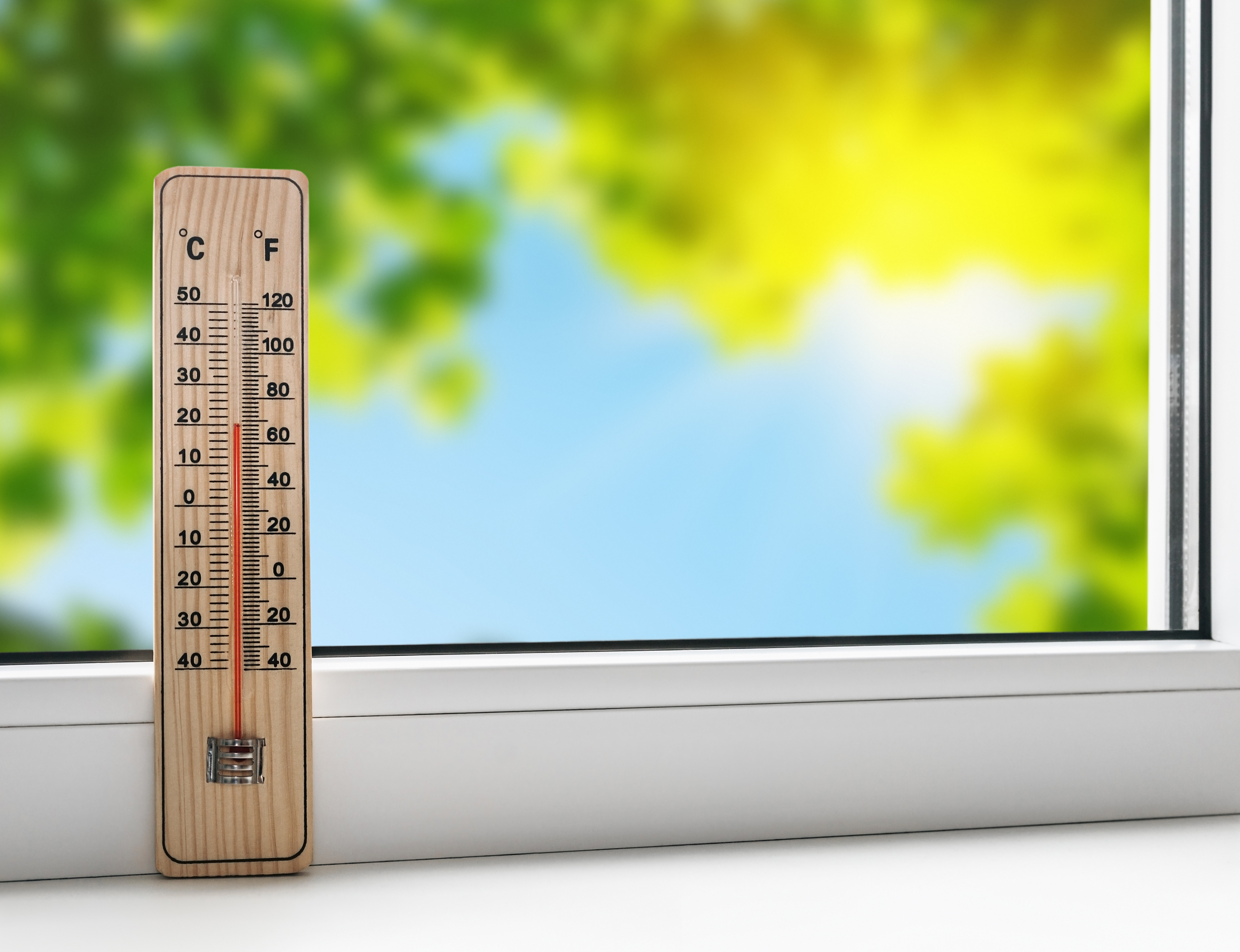
One of the most effective ways to lower cooling costs is by adjusting thermostat settings. The U.S. Department of Energy recommends setting the thermostat to approximately 78°F when at home and increasing it when away or sleeping. Maintaining this setting helps balance comfort with energy efficiency.
Raising the thermostat even slightly can lead to measurable savings. Each degree above 72°F can reduce cooling costs by several percent, while setting temperatures significantly lower does not cool a home faster and instead increases energy usage.
Programmable or smart thermostats can further reduce costs by automatically adjusting temperatures based on occupancy and daily routines. Many models learn usage patterns and optimize cooling schedules, helping reduce unnecessary runtime.
Smart Thermostats and Automation
Smart thermostats offer greater control over energy usage and can reduce cooling costs by automatically adjusting indoor temperatures throughout the day. Homeowners can program schedules that raise the temperature while away and lower it before returning home.
Some systems provide remote access through smartphone apps, allowing adjustments from anywhere. Others monitor usage patterns and recommend energy-saving settings. When used correctly, programmable thermostats can reduce cooling expenses by up to 10 percent annually.
These systems also help prevent excessive cooling, which often leads to higher energy bills without improving comfort.
Air Filter and System Maintenance
Routine maintenance plays a critical role in controlling energy costs. Dirty air filters restrict airflow, forcing air conditioning systems to work harder to cool the home. Replacing filters every one to three months during peak usage helps maintain proper airflow and efficiency.
The outdoor condenser unit should also remain clean and unobstructed. Leaves, dirt, and debris around the unit reduce airflow and heat transfer, increasing operating costs. Maintaining at least two feet of clearance around the outdoor unit helps it operate efficiently.
Professional maintenance inspections should be scheduled at least once or twice per year. During these visits, technicians inspect refrigerant levels, clean coils, and identify potential issues that could affect performance or increase energy consumption.
ENERGY STAR notes that proper maintenance and high-efficiency equipment can significantly reduce cooling expenses over time.
Airflow and Home Sealing
Conditioned air loss is one of the most common causes of high cooling costs. Gaps around windows, doors, ductwork, and exterior openings allow cool air to escape while warm air enters. Sealing these areas with caulking or weatherstripping helps maintain stable indoor temperatures and reduces strain on the AC system.
Proper insulation also plays a major role in energy efficiency. Homes with insufficient attic or wall insulation allow heat to enter more easily, forcing cooling systems to run longer. Improving insulation helps maintain indoor comfort while lowering energy consumption.
Ensuring ductwork is properly sealed and insulated can also improve efficiency, particularly in older homes.
Managing Heat Inside the Home
Reducing indoor heat sources can significantly lower cooling demand. Sunlight entering through windows raises indoor temperatures and forces air conditioning systems to work harder. Closing blinds, curtains, or shades during the hottest parts of the day helps block solar heat and maintain cooler indoor conditions.
Ceiling fans can also improve comfort while reducing cooling costs. By circulating air more effectively, fans allow homeowners to raise the thermostat several degrees without sacrificing comfort. This reduces the AC system’s runtime and lowers overall energy consumption.
Limiting the use of heat-generating appliances such as ovens, dryers, and dishwashers during peak afternoon hours can also help maintain lower indoor temperatures. Running these appliances during cooler morning or evening hours reduces additional heat buildup.
Outdoor Shading and Ventilation
Shading the exterior of a home can help reduce heat absorption and cooling demand. Trees, awnings, pergolas, and exterior shading devices limit direct sunlight on windows and walls, naturally lowering indoor temperatures.
Proper attic ventilation also plays an important role. Excess heat trapped in the attic can radiate into living spaces, increasing cooling demand. Attic ventilation systems or exhaust fans help remove hot air and reduce the load placed on the AC system.
These improvements work together to create a more energy-efficient home environment and lower overall cooling costs.
Long-Term Efficiency Upgrades
Older air conditioning systems typically consume more energy than modern high-efficiency models. If a system is more than 10 to 15 years old, upgrading to a newer ENERGY STAR-certified unit can significantly reduce monthly cooling costs while improving comfort and reliability.
High-efficiency systems use advanced compressors, improved refrigerant technology, and better airflow management to cool homes more effectively with less energy. While replacement requires an upfront investment, the long-term savings on energy and repairs often make it worthwhile.
Upgrading insulation, sealing ductwork, and improving ventilation can further enhance these savings and extend system lifespan.
Reducing Summer Cooling Costs in Florida
Saving money on air conditioning during Florida summers requires a combination of smart thermostat management, regular maintenance, and home efficiency improvements. Small adjustments, such as raising thermostat settings, replacing filters, managing sunlight, and sealing air leaks, can produce noticeable reductions in energy use.
When combined with professional maintenance and efficient equipment, these strategies help homeowners keep indoor temperatures comfortable while controlling monthly utility costs.