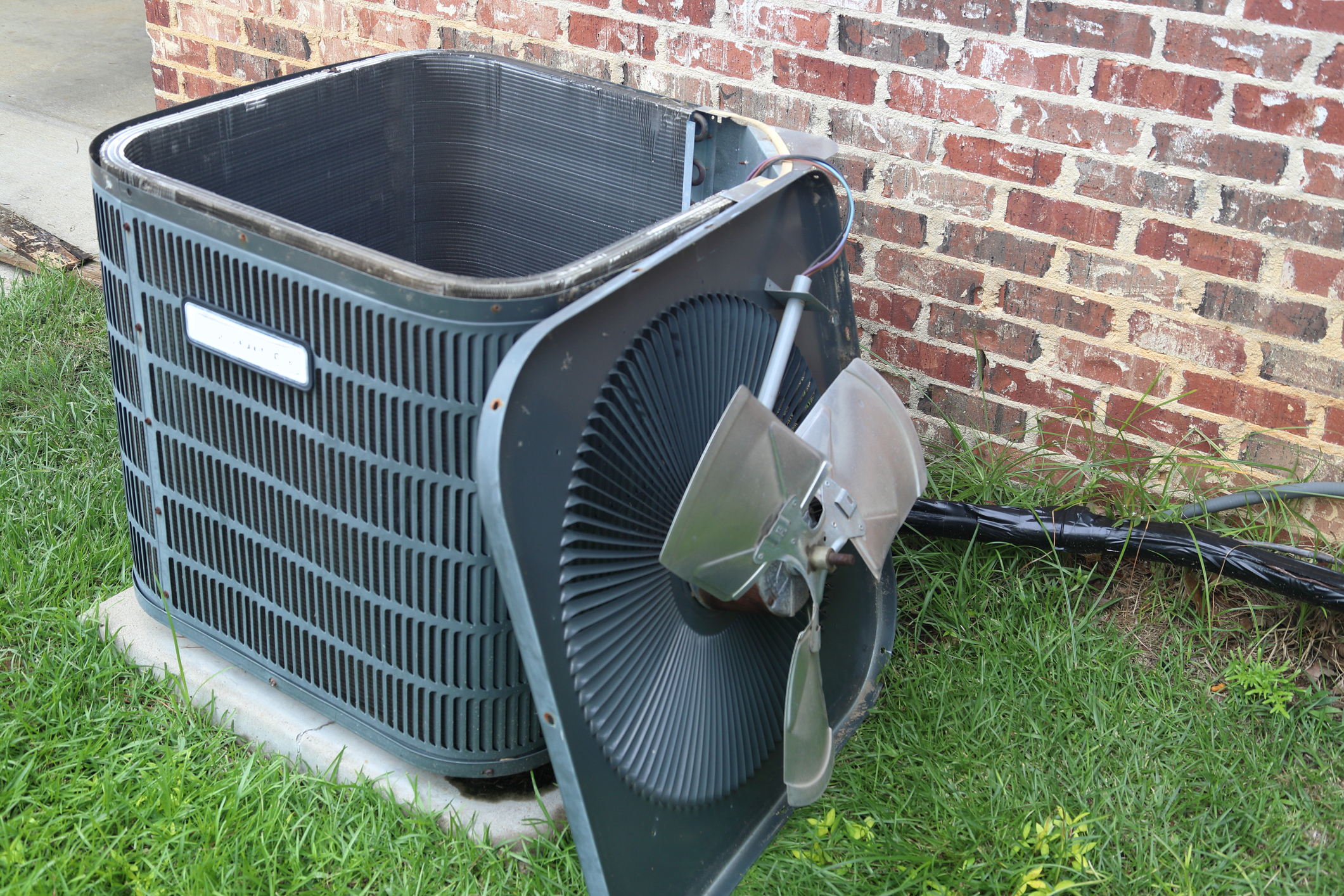
Year-round heat in the South Florida tropics can become intolerable without a functioning air conditioner. The AC compressor is the main component that circulates cool air throughout your home. Knowing the signs and symptoms of a failing compressor can help you address the issue quickly to avoid additional repairs and extended downtime. Routine maintenance and timely professional intervention can also ensure your home stays cool and comfortable all season.
Let’s examine what your AC compressor does, the symptoms of a dying compressor, everyday issues that can cause it to go bad and what steps to take if you think your compressor is done.
What is an AC Compressor & What Does it Do?
The air conditioning compressor is the heart of your HVAC system because it circulates the refrigerant. Without it, your AC can’t function. Refrigerants must turn from a gas to a liquid and back to a gas form to travel through the system. The compressor helps change the refrigerant into high-pressure gas to facilitate the heat exchange. It then passes through the condenser and evaporator coils to absorb indoor heat. It returns to a low-pressure gas once it absorbs the indoor heat and humidity. And the cycle continues until your home is cooled.
Signs Your Home AC Compressor is Failing
Recognizing the early symptoms of a failing AC compressor can prevent complete system breakdowns. Early detection allows for timely repairs, saving you from costly replacements. Regular maintenance and monitoring can help identify these issues before they escalate.
Here are some telltale signs that you may have a bad compressor:
Reduced Cooling Capacity
If your AC is running but struggling to cool the space effectively, the compressor may be going.
Strange Noises
A compressor on its way out often makes noises such as rattling, ticking, clanking or hissing. It may even bounce or vibrate. Noisy compressors are usually an indicator of loose or broken parts.
Hard Starting
If your system struggles to start or frequently cycles on and off, the compressor may be unable to maintain proper pressure.
Tripped Circuit Breaker
Bad compressors can cause electrical issues that can repeatedly trip the circuit breaker. A hot switch requires immediate attention. Contact an HVAC technician immediately.
Warm Air from Vents
Several things, such as a dirty air filter, clogged drain lines, or low refrigerant levels, can cause a lack of cold air from your vents. Unfortunately, warm air can also indicate a compressor issue.
Blowing Warm Air
Warm air blowing from the vents is a sure sign that something is wrong. Without enough refrigerant in the system, it can’t cool the air.
Refrigerant Leaks
If your system shows signs of a refrigerant leak near your compressor, eventually, it will fail to cool.
Puddles of Water
Condensation on or around your indoor and outdoor units is normal during operation. If large amounts of water are puddling or leaking, it can indicate a low refrigerant, a clog or frozen coils. Left unaddressed, it can push your compressor into premature failure.
Common Problems that Cause AC Compressors to Go Bad
Several factors can contribute to the demise of your compressor:
Lack of Maintenance: Routine maintenance ensures the longevity of your system and components like the compressor. Dirty coils and clogger filters can lead to untimely compressor failure.
Electrical Issues: Faulty wiring, power surges or failed capacitors can diminish your compressor’s operational life.
Refrigerant Problems: Both high and low refrigerant levels can cause cooling issues and damage. Insufficient refrigerant can cause overheating, while overcharging creates too much pressure within the system.
Contaminants: Durt, debris and moisture within the system can cause compressor failure.
Wear and Tear: Normal use can eventually lead to mechanical failures, although routine service and inspection can catch compressor issues before they leave you without air conditioning.
What Should I Do If I Suspect My AC Compressor Failed?
If you suspect your AC compressor has failed, it’s essential to take the following steps:
Turn Off the AC Unit: To prevent further damage, turn off the AC unit and avoid running it until the issue is diagnosed.
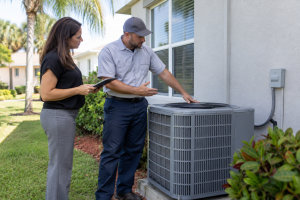
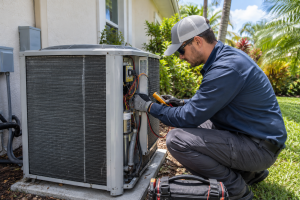
Call a Professional: Contact a licensed HVAC technician to inspect your system. They can diagnose the problem accurately and recommend the best course of action.
Consider Repair or Replacement: Depending on the diagnosis, your compressor may need repair or replacement. In some cases, replacing the entire AC unit might be more cost-effective, especially if the system is old.
Regular Maintenance: Schedule regular HVAC maintenance appointments to prevent future issues. A well-maintained AC system can extend the compressor’s life and improve efficiency.