Article Updated: February 16, 2026
Air conditioning systems in Florida run harder and longer than systems in most other parts of the country. Because cooling systems often run year-round to manage temperature and humidity, regular professional maintenance is essential to keep them running efficiently and reliably.
Many homeowners only think about their AC when something stops working. However, air conditioning systems function more like vehicles than simple appliances. They require routine inspections, cleaning, and adjustments to maintain performance, reduce energy costs, and prevent unexpected breakdowns.
Understanding how often an AC system should be serviced helps protect your investment and ensures dependable indoor comfort throughout the year.
Recommended HVAC Service Frequency
Most HVAC professionals recommend servicing an air conditioning system at least once per year, with twice-yearly maintenance considered ideal for Florida homes and businesses. Systems should typically be inspected in the spring before the peak cooling season and again in the fall if they include heating components, such as a heat pump.
Annual maintenance is the minimum required to maintain performance and efficiency. However, biannual service provides better protection against breakdowns and helps identify small issues before they develop into costly repairs. In climates with heavy year-round use, twice-yearly maintenance is strongly recommended to ensure system reliability.
Regular servicing ensures systems operate at peak efficiency and prevents the gradual performance decline that can occur when maintenance is neglected.
Why Regular AC Maintenance Matters
Air conditioning systems naturally lose efficiency over time as dust accumulates, components wear down, and airflow becomes restricted. Without maintenance, systems can lose approximately five percent of their efficiency each year. Over several seasons, this loss can significantly increase energy consumption and operating costs.
Routine service helps maintain proper airflow, refrigerant levels, and system calibration. This allows the equipment to operate closer to its original efficiency rating while reducing strain on critical components such as compressors and blower motors.
Regular maintenance also helps extend system lifespan. Well-maintained equipment can often last closer to 15 to 20 years, while neglected systems may fail much earlier due to excessive wear and overheating.
Seasonal Service Timing
The most effective maintenance schedule aligns with seasonal demands. Spring maintenance prepares the cooling system for heavy summer use, ensuring it can handle increased runtime and high outdoor temperatures. Fall maintenance focuses on heating components and helps prepare heat pumps or combined systems for cooler weather.
Scheduling service before peak demand seasons allows technicians to identify worn parts, refrigerant issues, or airflow restrictions before they affect performance. This proactive approach reduces the likelihood of emergency repairs during extreme weather.
Homes with pets, heavy usage, or older equipment may require more frequent inspections to maintain efficiency and reliability.
What Professional AC Service Includes
Professional preventive maintenance typically involves a comprehensive inspection and cleaning of the entire HVAC system. While service checklists may vary by company or system type, most maintenance visits include several key steps.
Technicians inspect and replace air filters if needed, clean drain lines and condensate pans, and apply treatments to prevent algae buildup. Refrigerant levels are checked to ensure proper cooling performance, and any potential leaks are identified. Electrical connections, wiring, and safety controls are tested to confirm reliable operation.
Airflow components, such as blowers and fan motors, are inspected, lubricated when necessary, and adjusted to ensure proper performance. Evaporator and condenser coils are cleaned to improve heat transfer and efficiency. Thermostats and system controls are tested to ensure accurate temperature regulation.
These inspections help identify early signs of wear or malfunction before they lead to costly repairs or system failure.
Benefits of Routine Maintenance
Routine air conditioning maintenance offers several measurable benefits beyond preventing breakdowns. Clean, properly calibrated systems operate more efficiently and use less energy, which can help lower monthly utility costs. Improved airflow and system performance also help maintain consistent indoor temperatures and humidity levels.
Regular service reduces the likelihood of emergency repairs by addressing minor issues before they escalate. Components such as capacitors, fan motors, and electrical connections can be proactively replaced or repaired to prevent sudden failures during peak usage.
Maintenance also supports better indoor air quality. Cleaning coils, filters, and drainage systems reduces dust, allergens, and moisture buildup, helping maintain healthier indoor air quality.
Energy experts note that properly maintained HVAC systems can operate up to 15 percent more efficiently than neglected systems.
Homeowner Maintenance Between Service Visits
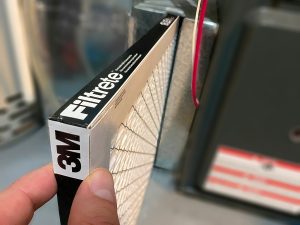
While professional service is essential, homeowners can take simple steps between scheduled visits to maintain system performance. Regularly replacing air filters every one to three months helps maintain proper airflow and reduces strain on system components. Homes with pets or heavy usage may require more frequent filter changes.
Outdoor condenser units should remain clear of debris, vegetation, and obstructions. Maintaining at least two feet of clearance around the unit ensures proper airflow and heat exchange. Keeping supply and return vents open throughout the home also helps maintain balanced airflow and system efficiency.
Homeowners should pay attention to unusual noises, odors, or changes in cooling performance, as these can indicate developing issues that require professional attention.
ENERGY STAR recommends regular filter replacement and professional inspections as key steps in maintaining HVAC efficiency and performance.
Maintenance and Energy Efficiency
Routine servicing directly affects energy consumption and operating costs. Systems that receive regular cleaning and calibration run more efficiently and require less energy to maintain comfortable temperatures. Dirty coils, restricted airflow, and low refrigerant levels force systems to run longer, increasing both energy usage and equipment wear.
Proper maintenance helps maintain consistent cooling performance while reducing monthly utility expenses. It also ensures systems operate safely and reliably throughout periods of heavy demand.
Preventive Maintenance Programs
Many HVAC providers offer preventive maintenance programs that include scheduled inspections, system cleanings, and priority service. These programs help ensure maintenance is performed consistently and can reduce repair costs over time.
Regularly scheduled service visits help homeowners avoid unexpected breakdowns during peak summer heat, when service demand and repair costs are typically highest. Maintaining consistent service records can also support manufacturer warranty requirements for newer equipment.
AC Maintenance Schedule in Florida
Air conditioning systems in Florida should be professionally serviced at least once per year, with twice-yearly maintenance strongly recommended due to heavy usage and environmental conditions. Spring service prepares systems for peak cooling season, while fall service ensures continued performance and reliability.
With proper maintenance, consistent filter replacement, and attention to system performance, homeowners can extend equipment lifespan, reduce operating costs, and maintain reliable indoor comfort year-round.