Updated: May 25, 2026
Replacing an air conditioner is one of the larger home comfort expenses a Florida homeowner may face, especially in 2026. Prices have increased significantly compared to earlier estimates due to higher equipment costs, labor rates, refrigerant changes, efficiency standards, materials, permitting, and the complexity of modern HVAC installations.
The cost of a new AC system depends on the size of the home, the type of system, the efficiency rating, the condition of the existing ductwork, and whether electrical or installation updates are needed. A simple replacement using existing ductwork will usually cost less than a full system changeout that requires new ducts, upgraded wiring, zoning, or major modifications.
New AC Cost
In 2026, a new central air conditioner typically costs between $6,000 and $16,000, or more, when installed in Florida. Some smaller or simpler installations may fall closer to the lower end, while larger homes, higher-efficiency systems, ductwork repairs, and advanced comfort features can push the total higher.
For a standard 2,000-square-foot home, many homeowners should expect a full central AC replacement to fall between $9,500 and $15,000, including equipment, labor, permits, supplies, and any installation updates. The final price can vary widely because every home has different cooling demands, duct conditions, insulation levels, and electrical requirements.
Central AC Cost
A central air conditioner is usually the most common option for homes with existing ductwork. The equipment itself may cost several thousand dollars, but the installed price is higher because the project includes labor, refrigerant handling, permits, disposal of the old unit, system setup, and proper testing.
A basic central AC replacement with existing ductwork may cost around $6,000 to $9,000 installed. A mid-range system with better efficiency or upgraded features may cost around $8,500 to $12,500 installed. Higher-end systems, especially variable-speed or premium-efficiency models, may cost $12,000 to $16,000 or more, depending on the home’s size and installation requirements.
AC Unit Types
Not every cooling system is priced the same way. A traditional central AC system, a ductless mini-split system, a window unit, and a portable AC unit all serve different purposes and have very different costs.
Central AC systems are best for whole-home cooling when the home already has usable ductwork. Ductless mini-splits are often used for garages, additions, home offices, older homes without ducts, or rooms that need separate temperature control. Window and portable units are lower-cost options for single-room cooling, but they are not usually comparable to a whole-home AC replacement.
Ductless AC Cost
Ductless mini-split systems typically cost more than a simple window unit but less than many full central AC installations when only one room or zone needs cooling. In 2026, a single-zone ductless mini-split may cost around $3,000 to $7,000 installed, depending on the equipment, wall placement, electrical access, and installation complexity.
Multi-zone ductless systems cost more because they include multiple indoor air handlers connected to one outdoor unit. These systems may reach $8,000 to $15,000 or more when used for several rooms or larger areas of the home.
Window AC Cost
Window and portable air conditioners are usually the lowest-cost cooling options. These units may cost around $150 to $800 or more, depending on size, brand, efficiency, and features.
However, they are designed for temporary or single-room cooling. They do not replace the comfort, humidity control, quiet operation, or whole-home performance of a properly sized central AC system. They may be useful for small spaces, rentals, garages, or backup cooling, but they are not usually the right comparison when pricing a full home AC replacement.
AC Size
System size is one of the biggest factors in the cost of AC replacement. Air conditioners are commonly sized by tonnage, with many residential systems ranging from 1.5 tons to 5 tons. Larger homes usually require higher-capacity systems, but bigger is not automatically better.
An oversized AC can cool the home too quickly without properly removing humidity. An undersized AC may run constantly and still struggle to keep up. In Florida, humidity control is especially important, so the system should be sized based on the home’s square footage, insulation, windows, layout, sun exposure, ductwork, and cooling load.
SEER2 Ratings
Efficiency also affects the price of a new AC system. Older articles often refer to SEER ratings, but newer systems are now commonly discussed in terms of SEER2 efficiency ratings. Higher-efficiency systems usually cost more upfront, but they can reduce energy use over time when properly sized and installed.
Entry-level systems are generally less expensive and may use single-stage cooling. Mid-range systems may offer better efficiency, improved humidity control, and quieter operation. High-efficiency systems may include two-stage or variable-speed technology, allowing them to adjust output rather than running at full power.
Entry-Level AC
An entry-level air conditioner is usually the most affordable central AC replacement option. These systems are often single-stage units, meaning they operate at a single output level when cooling is needed.
In 2026, an entry-level central AC system may cost around $6,000 to $9,000 when installed in many Florida homes. This type of system may be a practical option when the existing ductwork is in good condition, the home has straightforward cooling needs, and the homeowner wants reliable cooling without premium comfort features.
Mid-Range AC
A mid-range AC system often provides a stronger balance of cost, performance, and efficiency. These systems may include better energy ratings, quieter operation, improved humidity control, or two-stage cooling.
In 2026, mid-range AC systems may cost around $8,500 to $12,500 installed, depending on the brand, tonnage, efficiency rating, and installation details. For many homeowners, this category offers a practical middle ground, providing better comfort and energy performance without moving into the highest equipment tier.
High-Efficiency AC
High-efficiency air conditioners usually cost the most upfront but may provide better temperature control, quieter operation, improved humidity management, and lower energy use. These systems often include variable-speed technology, which allows the unit to run at different speeds rather than constantly cycling on and off.
In 2026, high-efficiency central AC systems may cost $12,000 to $16,000 or more installed. The final cost depends on system size, brand, communicating controls, thermostat compatibility, ductwork, and installation complexity.
Installation Costs
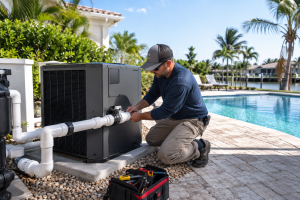
Installation is a major part of the total AC replacement cost. A new air conditioner must be correctly sized, installed, connected, charged, tested, and inspected. Labor may also include removing the old system, setting up the new outdoor condenser, installing or connecting the indoor air handler, updating the thermostat, replacing line sets, and ensuring the system operates safely.
Professional installation matters because even a high-quality AC unit can perform poorly if it is not installed correctly. Poor installation can lead to airflow problems, short cycling, humidity issues, refrigerant leaks, higher energy bills, and premature equipment failure.
Ductwork Costs
Ductwork can significantly change the price of a new AC system. If the existing ducts are properly sized, sealed, insulated, and in good condition, the replacement may be more straightforward. If the ducts are leaking, crushed, disconnected, undersized, contaminated, or poorly designed, additional work may be needed.
Duct repairs or modifications may add several thousand dollars to the project. Full duct replacement can cost even more, especially in larger homes or homes with difficult attic access. While ductwork increases the upfront cost, it can also improve airflow, comfort, indoor air quality, and system performance.
Electrical Updates
Some AC replacements require electrical updates. This may happen when the new system has different power requirements, the existing disconnect is outdated, the breaker is not properly sized, or the electrical setup does not meet current code.
Permits and inspections can also affect the final price. In many areas, HVAC replacements must meet local building code requirements. These steps help confirm that the system is installed safely and legally.
Energy Savings
A new AC system may help reduce energy use, especially when replacing an older, inefficient, or failing unit. However, savings vary from home to home. The biggest improvements are usually seen when the old system was oversized, undersized, poorly maintained, leaking refrigerant, running inefficiently, or using outdated technology.
Energy savings also depend on thermostat settings, duct condition, insulation, windows, humidity levels, maintenance, and how often the AC runs. A high-efficiency system can help lower monthly cooling costs, but it should be viewed as a long-term investment rather than a guaranteed fixed amount in savings.
AC Financing
Many HVAC companies offer financing through third-party lenders. Financing can help homeowners replace a failing AC system without paying the full amount upfront. Monthly payment options vary based on the lender, credit approval, promotional terms, interest rates, and the total cost of the project.
Before financing a new AC system, homeowners should review the full terms, payment amount, interest rate, payoff rules, and whether any promotional period applies. The lowest monthly payment is not always the lowest total cost, so it is important to understand the complete financing agreement.
AC Price Estimate
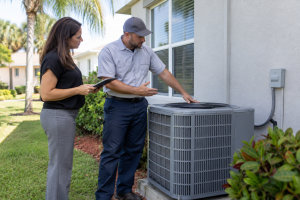
The most accurate way to determine the cost of a new AC system is to schedule an in-home estimate with a certified HVAC professional. Online price ranges are helpful for general planning, but they cannot account for the specific details of your home.
A proper estimate should consider the size of the home, cooling load, ductwork condition, electrical setup, equipment options, efficiency ratings, warranty coverage, permits, and installation requirements. For Florida homeowners, it is also important to consider humidity control, year-round AC use, and proper system matching to the home’s comfort needs.
New AC Replacement
A new AC system in 2026 is a significant investment, and the final price depends on more than just the equipment. Home size, system type, efficiency, ductwork, labor, permits, electrical updates, and installation quality all affect the total cost.
For most Florida homes, a full central AC replacement will often fall somewhere between $6,000 and $16,000 or more installed, with many standard whole-home replacements landing closer to the middle of that range. Getting a detailed estimate from a qualified HVAC professional is the best way to understand what your home needs and what the project will realistically cost.