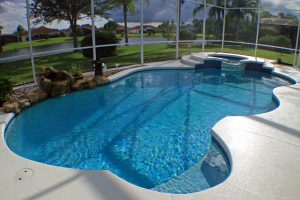
Tired of chilly pool water? Homeowners may consider installing a pool heater to extend the swimming season beyond summer, primarily if they reside in a cooler climate. Pool owners in tropical areas such as South Florida may heat their pools to maintain a comfortable temperature for year-round use. A heated pool ensures the right temperature, even on cloudy days or after heavy rains. This may be important to those who use their pool regularly to entertain guests, for exercise or physical therapy, or enjoy swimming without being controlled by the weather. But what type of heater is more affordable: natural gas or electric?
Choosing Between Natural Gas & Electric Pool Heaters
If you are considering outfitting your home with a pool heater, there are multiple considerations when choosing between natural gas or electric pool heaters. Each type has pros and cons, but the biggest question is which is the cheapest overall.
Here are some key points to consider when deciding which pool heater type is right for you:
- Initial installation cost
- Operating cost
- Energy efficiency
- Climate Considerations
- Energy source availability
Gas Pool Heaters
Gas pool heaters warm the water with heat generated by burning fuel. Propane and natural gas heaters are the two main options for pool owners looking to extend the swimming season. Propane heaters are more portable and are a solid choice for smaller pools. Natural gas heaters are often preferred for larger pools and can be more cost-effective over time due to lower natural gas costs versus propane.
Electric Pool Heaters
If electric is your preference, the two primary options for heating swimming pools are resistance heaters and heat pumps. Each has characteristics that impact upfront and operating costs. Electric pool heaters are more reliable as they are not affected by extreme environmental temperatures like gas heaters. Many electric pool heater models offer an option to cool pool water, which is a major perk if you live in a hot climate that causes swimming to feel more like bathtime.
Resistance Heaters: A Quick Solution
Electric resistance heaters pass an electric current through a heating element, generating heat that warms the pool water. They generally heat water quickly and offer a more affordable option for the initial setup. Their operating costs may be higher due to the amount of electricity necessary to generate heat.
Heat Pumps: An Energy-Efficient Alternative
Electric heat pumps operate differently than resistance heaters. These heaters extract heat from the ambient air and transfer it to the pool water. The evaporator coil housed within the pump carries liquid refrigerant. When warm air contacts the coil, the liquid refrigerant absorbs the heat and converts it into a gas. That warm gas then passes through the compressor and heats the water as it moves through the pump. Heat pump pool heaters are energy efficient and will pay for themselves in the long term. These heaters are excellent for warmer climates and efficiently maintain a steady temperature.
Upfront Costs: Making the Initial Investment
One of the primary considerations for homeowners is the upfront cost of the pool heater installation. Gas pool heaters, whether propane or natural gas, often incur lower initial costs than electric heat pumps. If your property isn’t set up for gas, installing a gas line and tank is necessary. However, the specific size of your pool, installation complexities, and regional factors can influence these costs and whether a gas heater is suitable for your situation.
Electric heat pumps generally require a more significant initial investment due to their advanced technology and installation requirements. However, homeowners should weigh this against potential long-term operating costs and energy efficiency savings. Electric is also a more reliable and accessible energy source, and electric heaters tend to have a longer lifespan than their gas counterparts.
Pool Heater Operating Costs: Calculating the Long-Term Expenses
Operating costs are essential in determining the overall cost-effectiveness of pool heating. Both propane and natural gas heaters tend to have higher operating costs than electric heat pumps. Natural gas costs are subject to market fluctuations and availability, while electricity rates are relatively stable.
Electric heat pumps are celebrated for their energy efficiency and lower operating costs over time. While they may have a higher initial investment, homeowners should consider these systems’ potential savings and environmental benefits.
Keep Your Pool Covered: Minimizing Heat Loss
Regardless of the type of pool heater chosen, keeping the pool covered when not in use is a crucial strategy for minimizing heat loss and reducing overall heating costs. A pool cover acts as a thermal barrier, preventing heat from escaping through evaporation. This simple yet effective practice contributes to energy conservation and cost savings for gas and electric pool heaters.
Which Pool Heater is Best for South Florida Pools?
Choosing the best pool heater is also influenced by your region’s climate. In South Florida, where the climate is typically warm, electric heat pumps are more suitable for pool heating. With minimal temperature fluctuations in this region, using heat pumps is usually beneficial in terms of operating costs and energy efficiency.
While electric heat pumps may have higher upfront costs, the long-term savings, environmental considerations, and ability to handle hot weather make them a viable and sustainable choice for South Florida pool owners.