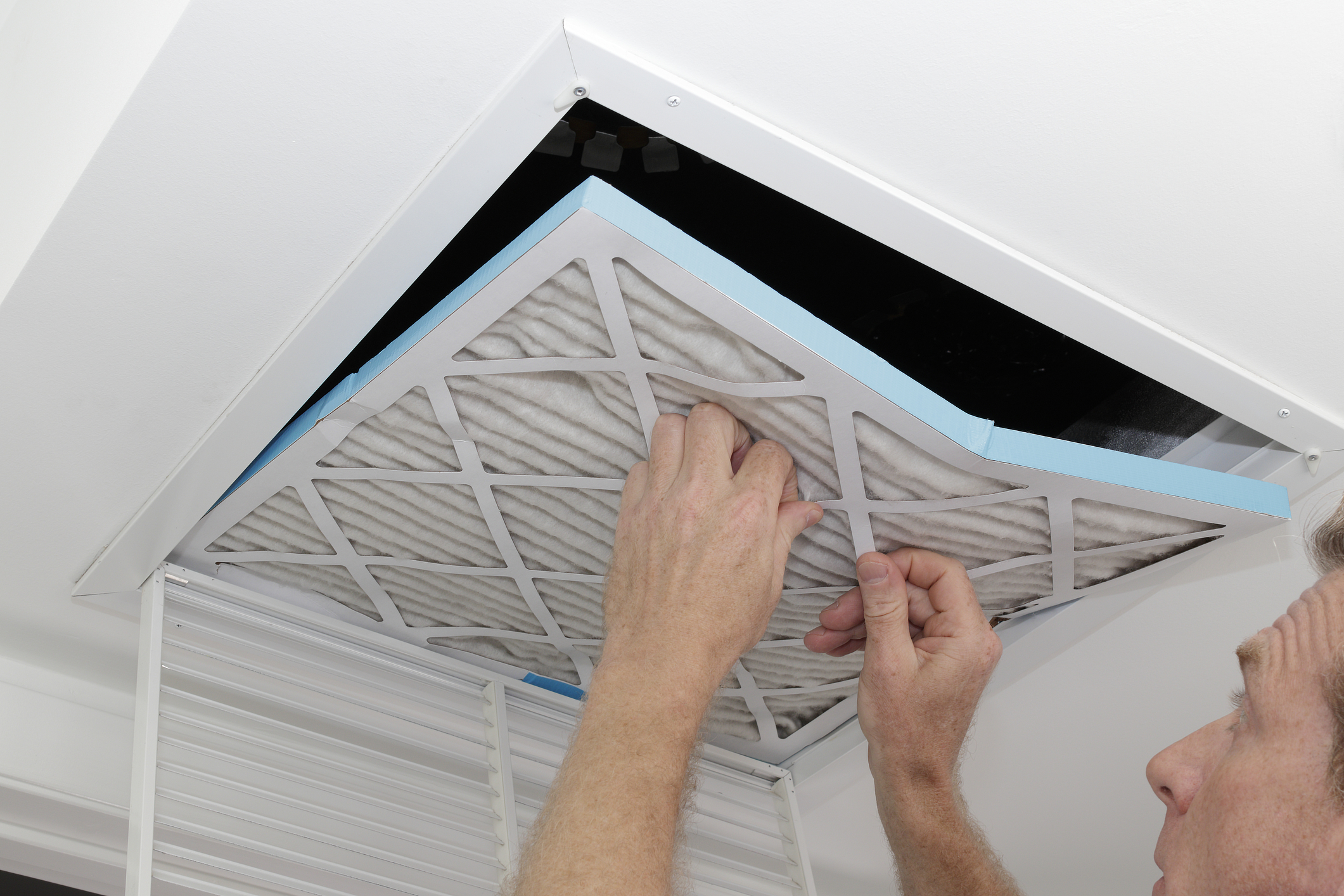
During your routine air filter change, you expect it to be dirty but not soggy. Air conditioner filters should never be wet. They serve an essential purpose—filtering the air of airborne particles like dust, mold, and allergens. If they’re damp, your air filter can’t do its job effectively and can cause additional issues like spreading moisture, creating the perfect environment for mold and mildew.
A wet air filter is often a warning sign of a problem with your AC system. Let’s explore some common causes of damp air filters and practical steps you can take to prevent this issue.
What Causes a Wet Air Filter?
We’ve already discussed that wet, soggy, damp or moist air filters are not normal. But why is this occurring? The most common reason is a clogged drain line or backed-up drain pan. Condensation (water) is normal when your AC is functioning properly. When warm air entering your system is cooled, moisture collects on the evaporator coil as the air cools, dripping into the drain pan and flowing outside, but when something isn’t right, it can cause condensation to leak outside the system.
Here are several reasons you may have a wet AC air filter:
Clogged Drain Line
If algae or debris prevents the water from draining out of the drain pipe, it can overflow and soak the filter.
Leaking Condensate Drain Pain
Drain pans in older systems may crack or rust, allowing condensate water to drip onto the filter and surrounding area.
Dirty Evaporator Coil
If your coil is clogged with dust, debris or mold growth, it can prevent the condensation that has collected from draining into the proper channels. Water will follow the path of least resistance, including your filter.
Frozen Evaporator Coil
Condensation can build up and freeze, creating ice. As the ice defrosts, dripping water can reach the AC filter.
Improperly Installed Filter or Unit
If your unit or filter was installed incorrectly, condensation can build up due to poor airflow or misalignment.
Faulty Compressor
A faulty AC compressor can cause leaks, leading to excess moisture, which may reach and wet the air filter.
What to Do When Your Air Filter is Wet
A wet AC filter allows air to pass through but not pollutants like dust, debris, pet hair and pollen. If your filter is damp or saturated with condensate water, its ability to collect airborne pollutants is compromised. Your AC will have to work harder and longer, which can strain your system and lead to costly repairs and high electric bills. The wetness also pushes excessive moisture into your ducts, increasing the risk of mold and mildew growth within the system and your home. This is especially true in humid climates like South Florida.
STEP 1: Change Your Air Filter Immediately
Remove the wet filter and clean up any water or moisture. Make sure everything is dry before you install a new AC filter.
STEP 2: Vacuum Your Drain Line
Locate the AC condensate drain outside your home and attach a wet vac. Run the vacuum for 10 seconds a time to dislodge the blockage. Once the clog is cleared, condensate will quickly drain.
STEP 3:Inspect Your Drain Pain
Locate your condensate drain pan and check it for cracks, leaks and obstructions. If you find any cracks or holes in the drip pan, replace it before running your AC. If you see dirt, debris or algae growth, clean it with a sponge or soft brush and mild detergent, then rinse it down the condensate drain line.
Pro Tip: Skip the bleach! Bleach can corrode metal drain pans, evaporator coils and other metal components. It can also cause respiratory irritations and worsen asthma. Instead, use equal parts white vinegar and water.
Need Help Resolving Your Damp Air Filter Issue?
If your replacement air conditioner filter continues to collect moisture and the steps above fail to resolve the issue, it’s time to call the professionals to prevent additional problems. They’ll further inspect your system to identify the underlying cause of the moisture your filter is absorbing.
Preventing Wet AC Filters with Regular HVAC Maintenance
Regularly changing your air filters and ensuring proper condensate drainage are vital steps in preventing wet filters. Scheduling routine maintenance with a trusted HVAC company provides even more protection. HVAC professionals don’t just replace filters—they inspect your entire system for minor issues that could become costly problems later. As a responsible homeowner, it’s wise to have your HVAC system checked before Florida’s summer heat wave hits to ensure it’s leak-free and running at peak performance.
If you’re experiencing wet AC filters that you can’t resolve, consult a professional HVAC company. They can diagnose and repair the problem, while also offering the latest solutions for improved indoor air quality. With comprehensive preventative maintenance programs, they’ll help keep your air clean, your filters dry, and your system running smoothly.