It’s 95 degrees outside, the sun is blazing, and your central AC is running full blast—but you’re still sweating. Sound familiar? It’s a common complaint among South Florida homeowners, so you’re not alone, but what’s happening?
Usually, your AC is your saving grace from the brutal summer heat and humidity. But lately, it’s struggling to keep up—and you’re left feeling hot, frustrated, and maybe a little nervous about what your next electric bill will look like with your system running nonstop.
Let’s look at some common reasons your air conditioner might be underperforming and what you can do to help it out.
Common Reasons Your AC Can’t Keep Up During the Hot Months
Your air conditioner’s primary job is to cool your home. But what if it’s not doing that?
Before you panic and think the worst (“Oh no—do I need a new AC?”), Let’s examine common and easily remedied issues, such as low refrigerant, a dirty coil, or a faulty thermostat. Sometimes, it’s a combination of minor problems working against you, but that doesn’t mean your unit is toast.
From simple DIY HVAC checks to professional repairs, here are a few possible scenarios that could be sabotaging your AC’s ability to keep you cool:
1. South Florida Summers Are Brutal
South Florida’s heat is no joke, and the humidity exacerbates the issue. Even if your thermostat is set right and your AC is in top shape, long, extremely hot days force your AC to work overtime by running all day long.
Signs it’s struggling:
- Runs nonstop
- Takes forever to cool
- Air feels damp or sticky
- Some rooms stay hot
Quick fix: Use a dehumidifier, close blinds during the hottest part of the day, and run ceiling fans counterclockwise. Still struggling? Call for an HVAC check-up.
2. Your AC Unit is the Wrong Size
If your AC is too small, it’ll run constantly and still struggle to cool your home. Too big, and it may short-cycle—cooling the air fast but not removing humidity, leaving things feeling damp and uncomfortable.
Signs to watch for:
- System runs non-stop or turns on/off frequently
- Rooms stay warm or feel clammy
- High energy bills
Quick fix: Call an HVAC pro to perform a load calculation. They can determine if your unit is sized correctly and assist you in choosing the right one if it’s not.
3. Poor Insulation and Air Leaks
Even the best AC can’t keep up if cool air escapes and hot air sneaks in. Gaps around windows, doors, and inadequate attic insulation can cause your system to work harder than necessary.
Signs to watch for:
- Warm spots near windows or doors
- AC runs constantly with little payoff
- High energy bills despite no change in usage
Quick fix: Seal air leaks and have your attic insulation checked. Extra insulation can go a long way in keeping the cool air in and the heat out.
4. Low Refrigerant
Refrigerant is what cools the air, but if your system is low on refrigerant, it can’t do its job. Low levels usually mean there’s a leak somewhere.
Signs to watch for:
- Warm air blowing from vents
- Ice forming on refrigerant lines
- AC is running constantly without cooling
Quick fix: Call a pro—refrigerant issues must be diagnosed and repaired by a licensed technician.
5. Clogged Filters and Dirty Coils
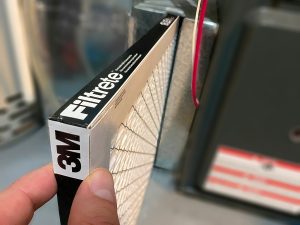
A dirty air filter blocks airflow, causing your AC to work harder. Dust-covered coils can’t release heat efficiently, which means less cool air for you.
Quick fix: Swap your filters every 1–3 months and schedule regular cleanings to keep things running smoothly.
6. Your AC is Older or Has Missed Crucial Maintenance
If your unit is over 10 years old, it might lose efficiency, especially in Florida’s heat. Worn-out parts, low refrigerant, or skipped tune-ups can all lead to poor performance.
Quick fix: Schedule preventative maintenance and yearly inspections. Upgrading to a newer, high-efficiency model may save money in the long term.
7. Your Thermostat Is Acting Up
If your thermostat is in direct sunlight or near a window, it may be reading the room temperature hotter than it actually is. A faulty thermostat can also cause short cycling or constant running.
Quick fix: Check placement and replace old thermostats with a programmable or smart one for better accuracy and control.
8. You Might Be Asking Too Much of Your System
Setting your thermostat to 68°F in July? Your AC is fighting a losing battle. It’s not designed to turn your house into a walk-in freezer.
Quick fix: Stick to 75–78°F during summer and use ceiling fans to circulate cool air. A smart thermostat can help strike a balance between comfort and energy use.
Stay Cool This Summer with the Help of the Pros
If your AC’s struggling to keep up, don’t sweat it. Whether it’s age, size, skipped maintenance, or just the brutal South Florida heat, there are fixes.
A professional tune-up can catch minor issues before they become big problems. Regular maintenance, proper sizing, or a system upgrade can improve comfort and efficiency.
And don’t forget, your AC needs a little help, like closing blinds, using ceiling fans, and sealing air leaks. (We’ve got more cool-home tips here.)