Article Updated: February 19, 2926
Air conditioning systems in Florida operate under some of the most demanding conditions in the United States. High humidity, salt exposure, and near-year-round use put constant strain on cooling equipment, reducing system lifespan to below the national average. While most central air conditioning systems across the country last 15 to 20 years, Florida systems typically last 10 to 15 years, with some coastal or high-demand systems needing replacement within 8 to 12 years.
Understanding how long an AC system should last and what affects its longevity can help homeowners and business owners plan for maintenance, repairs, and eventual replacement.
Average AC Lifespan in Florida
Most residential and commercial AC systems in Florida last between 10 and 15 years when properly installed and maintained. However, systems located near the coast or operating under heavy demand often experience shorter lifespans due to corrosion, constant operation, and environmental stress.
Florida systems run significantly more than those in cooler climates. Instead of operating only during summer months, many systems cycle throughout the entire year to control both temperature and humidity. This continuous operation accelerates wear on compressors, coils, and electrical components.
According to the U.S. Department of Energy, central air conditioners in moderate climates can last up to 20 years with proper maintenance. However, Florida’s climate typically reduces that lifespan by several years due to higher demand and environmental exposure.
Residential HVAC Systems
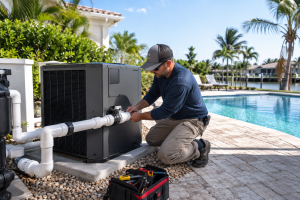
Residential air conditioning systems in Florida generally last 10 to 15 years, though coastal homes often see replacement closer to the 8- to 12-year mark. Salt in the air accelerates corrosion on outdoor components, especially condenser coils and electrical connections. Homes located inland may see slightly longer system life due to reduced salt exposure.
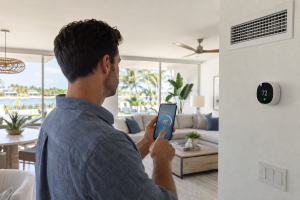
Usage patterns also play a major role. Homes that keep systems running constantly at low temperatures place more strain on compressors and blower motors. Systems that are properly sized for the home and maintained consistently tend to perform better and last longer.
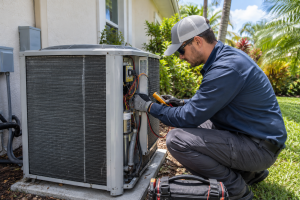
Routine filter replacement, coil cleaning, and refrigerant monitoring are essential to maintaining residential system performance. Without consistent upkeep, even newer systems can experience premature failure.
Commercial HVAC Systems
Commercial HVAC systems typically have a similar lifespan of 10 to 15 years in Florida, but their complexity and usage demands can influence performance. Larger systems often run longer hours, support multiple zones, and require more robust maintenance schedules.
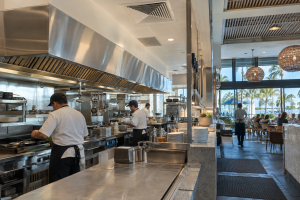
Retail spaces, medical offices, and restaurants may operate their cooling systems continuously during business hours, which increases wear on compressors and air handlers. Commercial properties also rely heavily on consistent indoor climate control for equipment, staff comfort, and customer experience.
Because of this, commercial systems often require more frequent professional maintenance to remain efficient and reliable. Preventive service contracts and scheduled inspections can help extend operational life and prevent unexpected downtime.
Factors That Affect Air Conditioner Longevity
Several environmental and mechanical factors influence how long an air conditioning system will last in Florida. Understanding these variables can help property owners take steps to protect their equipment.
Climate and environment: High humidity and salt air accelerate corrosion and strain system components. Coastal properties are especially vulnerable to shortened equipment lifespan.
Usage patterns: Systems in Florida run far more frequently than those in seasonal climates. Continuous operation increases wear and reduces long-term durability.
Maintenance history: Regular professional maintenance plays a key role in system longevity. Systems that receive consistent tune-ups and inspections tend to last significantly longer than neglected units.
Installation quality: Proper sizing and installation ensure efficient operation. Oversized or undersized systems cycle improperly, leading to premature wear and higher energy consumption.
Equipment quality: Higher-quality systems with durable components generally perform longer when properly maintained.
Energy efficiency organizations such as ENERGY STAR emphasize that routine maintenance and proper installation are critical to maximizing system lifespan and performance.
Maintenance and Lifespan Extension
While Florida’s climate cannot be changed, proper care can help extend the life of any air conditioning system. Regular maintenance remains the most effective way to protect performance and reduce long-term costs.
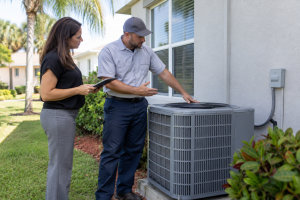
Changing air filters consistently improves airflow and reduces strain on internal components. Keeping outdoor condenser units clear of debris and vegetation allows for proper heat exchange and efficient operation. Professional maintenance twice per year, typically before peak summer and winter seasons, helps identify minor issues before they become major problems.
Routine inspections ensure refrigerant levels remain correct, electrical components function properly, and coils remain clean. Systems that receive consistent maintenance often operate more efficiently and experience fewer breakdowns over time.
Expected Lifespan of AC Systems in Florida
Air conditioning systems in Florida typically last between 10 and 15 years, with coastal and high-usage systems often requiring replacement sooner. Constant operation, humidity, and environmental exposure place significant strain on equipment, making maintenance and proper installation critical to long-term performance.
With consistent professional service, proper care, and forward planning, homeowners and businesses can maximize system efficiency and reliability throughout its lifespan. Understanding when to maintain, repair, or replace an AC system helps ensure dependable cooling and better energy performance in Florida’s demanding climate.