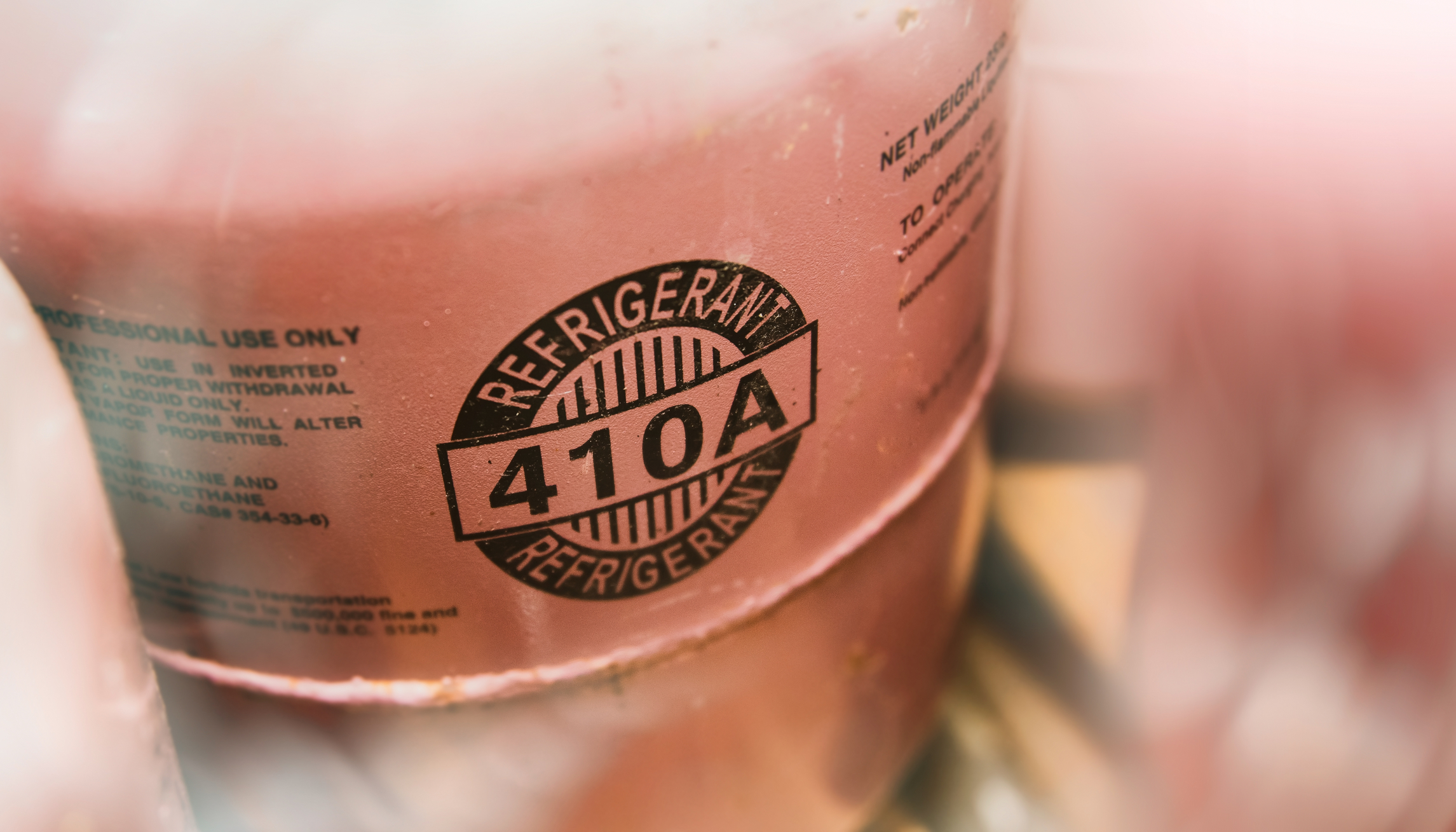
The HVAC industry is transitioning to new refrigerants due to requirements spelled out by the AIM Act (American Innovation and Manufacturing Act of 2020). Current refrigerants, like R-410A, are being replaced by more environmentally friendly options called A2Ls. These alternatives will be used in residential and light commercial air conditioners and heat pumps in a hydrofluorocarbon (HFCs) step-down program implemented by the U.S. Environmental Protection Agency (EPA).
Here’s what you need to know about the 2025 refrigerant changes and how they may affect your home or business.
Understanding the Transition to New Refrigerants
Similar to the EPA’s previous phaseout of R-22, replacing R-410A is essential to reduce greenhouse gas emissions and protect the ozone layer. In compliance with the AIM Act and global environmental agreements, the EPA is mandating a shift to low-global warming potential (GWP) refrigerants.
Starting January 1, 2025, residential and light commercial AC systems will no longer use high GWP R-410A. Instead, new equipment will rely on A2L refrigerants like R-32 and R-454B, which are more eco-friendly and efficient. Systems manufactured before this date can still be installed through 2025. Still, future equipment will be specifically designed for the next generation of refrigerants to help reduce carbon emissions and combat climate change.
What Will Happen to Current AC Systems?
If your existing air conditioning system uses older refrigerants, don’t worry. Your system will still function, and refrigerant supplies will remain available for several years. Please note that as older refrigerants phase out, they may become more expensive and harder to find. While there’s no immediate need to replace your system, upgrading to a new unit designed for low-GWP refrigerants can help you stay ahead of future regulations and reduce operating costs.
Will You Need to Purchase a New HVAC System?
One of the most common questions homeowners and business owners have is whether they must purchase a new HVAC system due to the 2025 refrigerant changes. The answer depends on your current system and long-term goals.
For Existing Systems
The new generation of refrigerants are not considered “drop-ins” and will not work with your existing system. Depending on your operating system and refrigerant type, you may not need to upgrade immediately.
- If your current system is newer and uses R-410A, you likely won’t need to replace it immediately, and it can be maintained for several years.
- Older R22 systems may become more expensive to maintain as the refrigerant has become scarce and costly, making replacement a more cost-effective option.
For New Purchases
- If you plan to buy a new HVAC system, look for models designed to use low-GWP refrigerants like R-32 or R-454B. These systems are more environmentally friendly and future-proof.
- Retrofitting older systems to accommodate new refrigerants requires significant modifications, but it’s more practical (and safer) to invest in a new system designed for modern refrigerants.
The decision to replace your HVAC system will depend on the condition of your current unit and your long-term energy efficiency goals. Consulting with an HVAC professional can help you choose the best solution for your situation.
How Will Homeowners Be Impacted?
The 2025 refrigerant changes will impact homeowners in several ways. If you upgrade your system, not only will you comply with current and future regulations, but you’ll also enjoy these advantages:
Benefits:
- Improved energy efficiency
- Eco-friendly system with a smaller footprint
- Better system performance
- Future-proof system
- Increased home value
- Parts are easily accessible
How Will the EPA Refrigerant Mandates Affect My Business?
For light commercial businesses, transitioning to technologically advanced refrigerants presents challenges and opportunities.
- Compliance requirements: Staying compliant with EPA mandates will be essential to avoid potential fines or penalties.
- Maintenance and upgrades: Businesses may need to budget for equipment upgrades or replacements sooner than expected.
- Energy savings: Upgrading your HVAC system can result in significant energy savings, which helps reduce operating costs over time.
The refrigerant change also allows businesses to demonstrate environmental responsibility, improving brand image and appeal to eco-conscious customers.
Preparing for the 2025 HVAC Transition: What You Should Do Now
As the 2025 refrigerant changes progress, you must take proactive steps to ensure your HVAC system remains efficient and compliant.
Here’s what homeowners and businesses can do:
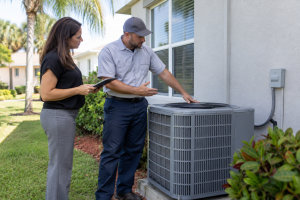
- Schedule an HVAC inspection to assess the condition of your current system and receive expert advice on whether you should repair or replace it.
- Maintain your current equipment. Whether you upgrade or stick with your existing system, scheduled maintenance will keep your AC in top operating form. Ask about maintenance programs for homes and businesses.
- Plan for future replacements by budgeting for a new system that uses low-GWP refrigerants if your current one is older and requires frequent repairs.
Staying current on the latest regulations and technologies ensures you’re prepared for what’s ahead. As the new 2025 A2L refrigerants roll out, choosing an HVAC company, like First Degree Air Conditioning, that has completed the necessary retraining and certifications to handle these next-generation refrigerants and modern system repairs safely is critical. Taking these steps helps homeowners and business owners maintain comfortable, efficient, and eco-friendly indoor environments while staying ahead of regulatory changes.