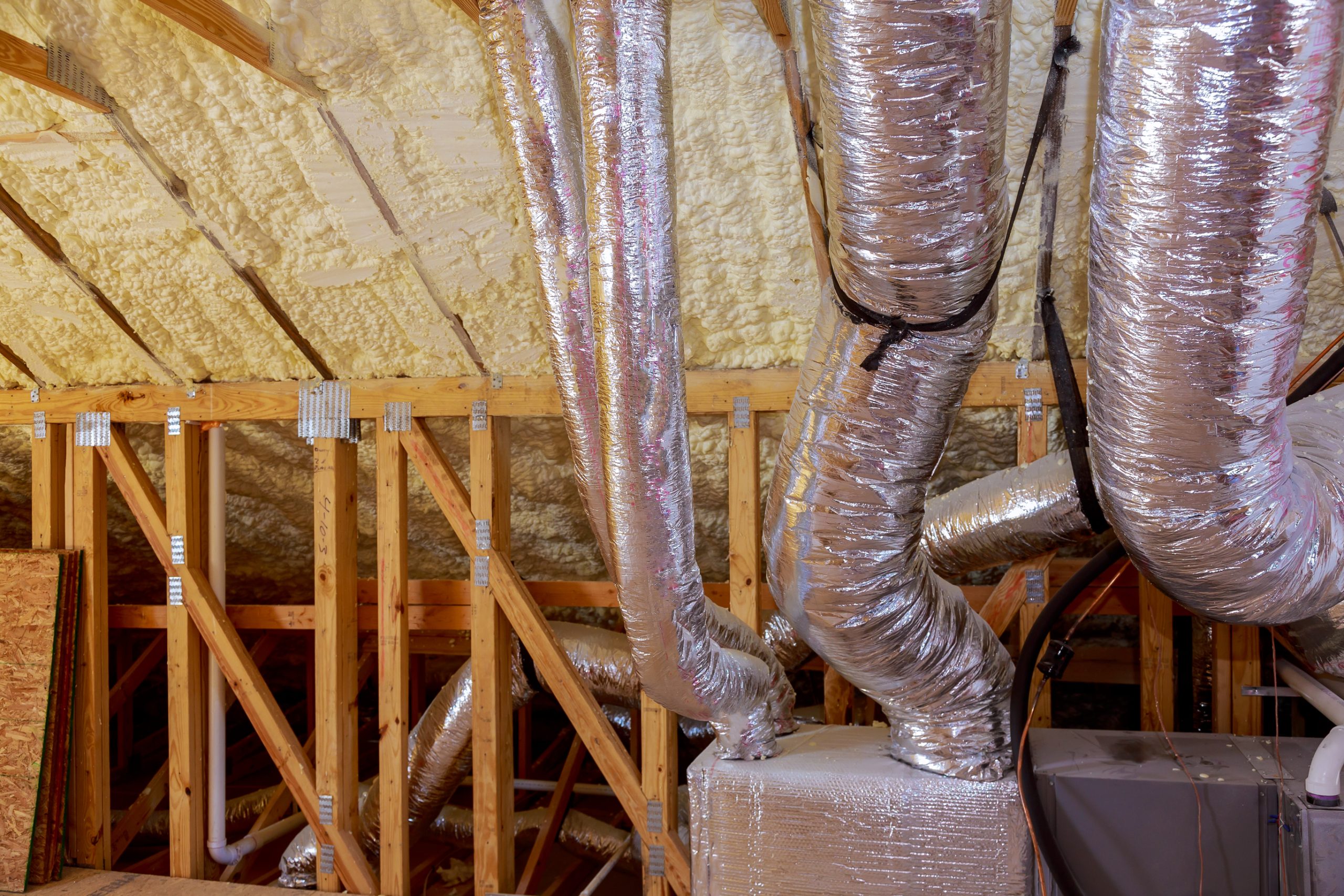
Properly installed ductwork plays a crucial yet overlooked role in maintaining comfortable indoor temperatures. When homeowners replace their residential air conditioning system, the question arises of whether replacing ductwork is worth the additional investment. The ductwork in your home delivers cooled air throughout the living space. Without these ducts, you couldn’t air condition your home. Ensuring they are installed and functioning correctly is essential to your AC working efficiently and keeping your house cool even on the hottest summer day.
Does a New AC System Need New Ducts?
When considering installing a new air conditioner, it’s a good idea to assess the condition of the existing ductwork. Installing a new energy-efficient system should reduce energy consumption and improve cooling performance, but outdated or damaged ductwork can completely undermine these improvements. Connecting your new AC to the old ductwork is safe if your ducts check out.
In older homes, the duct system may have leaks, inadequate insulation or improper sizing, leading to energy wastage and compromised air quality. Pairing your new air conditioning system with old ductwork can result in inefficient cooling, inconsistent room temperatures, and increased utility bills. While you may be able to have your ducts cleaned, old ductwork usually needs to be replaced.
Signs Your Ductwork Needs to Be Replaced
Deciding whether you need to replace the ductwork before changing out the air conditioner can be complicated. Some companies may recommend replacing the old ducts out of an abundance of precaution if the home is older. But signs often tell you that your ductwork is failing and needs to be replaced.
Poor Airflow
If certain rooms constantly feel stuffy or never quite cool off, the space may not receive adequate airflow despite the AC running. This could indicate that the duct is obstructed, leaking or poorly designed.
Visible Damage
Can you or the HVAC tech see signs of damage, such as rust, corrosion, disconnected joints or crushed ducts? Any of these visible signs can compromise the ductwork’s integrity.
Excessive Dust & Debris
Excessive accumulation of dust, debris or even mold within the ducts can adversely affect indoor air quality and trigger respiratory issues and allergies within the household.
Inconsistent Temperatures
Rooms experiencing significant temperature variations compared to the thermostat setting may indicate airflow imbalances caused by ductwork issues.
Sudden High Energy Bills
A sudden spike in electric costs without an increase in usage is a red flag that the HVAC system, including the ductwork, is inefficient.
Pest Infestations
Unfortunately, even if the rodents and insects are long gone, the damage they caused isn’t. They can destroy the structural integrity of your ductwork and negatively affect the AC’s efficiency and comfort of your home. Pests also leave behind urine and feces, which can contaminate your air and living space, so duct replacement is a healthy option once the infestation is cleared.
Whistling Sounds
When your air is blowing, and you hear a steady whistle or rattle coming from a vent, there’s a possible obstruction or structural damage in your ducts. Replacement or repair is necessary to rid the system of the issue causing the high-pitched sound to avoid further duct damage and strain on your air conditioner.
Old Ductwork
If your ductwork is considerably older than your air conditioner, you must replace it. The new systems often require new ductwork to ensure they perform optimally.
Under or Oversized Ducts
Your ductwork needs to match the size of the AC unit. If your ductwork and unit are mismatched, it can affect its efficiency and increase your power bills. If you are changing the size of the unit, check with the HVAC company to ensure your ducts match the size of the new unit.
Benefits of Installing New AC Ductwork
Investing in new ductwork offers several compelling benefits for homeowners:
1. Improved Energy Efficiency
Upgrading to adequately sized, insulated, and sealed ductwork reduces energy losses associated with air leakage and thermal transfer, resulting in lower utility bills and reduced environmental impact.
2. Enhanced Indoor Comfort
Optimal duct design and airflow distribution ensure consistent temperatures throughout the living space, eliminating hot or cold spots and improving overall comfort levels.
3. Better Air Quality
New ductwork minimizes the accumulation of dust, allergens, and contaminants, promoting healthier indoor air quality and reducing the risk of respiratory ailments.
4. Long-Term Cost Savings
While the upfront cost of duct replacement may seem substantial, the long-term savings from improved efficiency, reduced repairs, health benefits, and extended system lifespan justify the investment.
5. Increased Property Value
New ducts boost the overall value and marketability of the property, making it more attractive to potential buyers.
Why You Should Only Hire Duct Installation Experts
Schedule a service with a trusted HVAC company if you’ve experienced any signs and symptoms discussed and suspect your ductwork is to blame. They can evaluate your current ducts and AC system and make a professional recommendation about replacement. If you plan to install a new air conditioning system, inspect your ducts before installation. DIY ductwork may seem tempting to save on costs, but hiring experienced professionals offers several distinct benefits:
- Expertise and Experience
- Precision and Accuracy
- Compliance and Safety
- Warranty Coverage
- Customized Solutions
Replacing your old AC ductwork offers significant benefits in terms of energy efficiency, indoor comfort, air quality, and long-term cost savings. By recognizing the signs indicating the need for ductwork replacement and hiring qualified professionals for installation, homeowners can ensure optimal performance and longevity of their new HVAC system.