Energy costs account for a significant portion of operating expenses for any business, and in South Florida, a substantial portion of that comes from maintaining a cool space. Your commercial HVAC system is often the biggest energy user in the building. Whether you own the property or lease the space, there are practical and cost-effective ways to reduce your electricity bill without sacrificing comfort for your employees or customers.
Smart Strategies for Florida Businesses to Lower Cooling Expenses
Owning a business comes with plenty of headaches, but your cooling costs don’t have to be one of them. Florida’s extreme heat and humidity put heavy demands on your HVAC system. And with energy prices on the rise, it’s more important than ever to find ways to cut costs while still maintaining optimal indoor temperatures for your employees and customers.
Here are some effective ways to enhance your commercial AC efficiency and reduce energy consumption.
1. Upgrade to New Energy-Efficient HVAC Equipment
If your commercial AC system is more than 10 years old, it could be costing you more than you think. Older units are less efficient, more prone to breakdowns, and may not meet today’s energy standards. Upgrading to a modern, energy-efficient HVAC system is one of the most effective ways to lower your electric bills, reduce maintenance costs, and improve overall comfort and performance.
Today’s commercial air conditioners are built with advanced technologies designed to cut energy consumption without compromising cooling power. Features like advanced coil designs, variable-speed compressors and blowers, two-stage cooling, economizers, and smart system controls can all work together to optimize performance and efficiency. Many new systems also utilize eco-friendly refrigerants and meet the latest SEER 2 and HSPF 2 efficiency requirements.
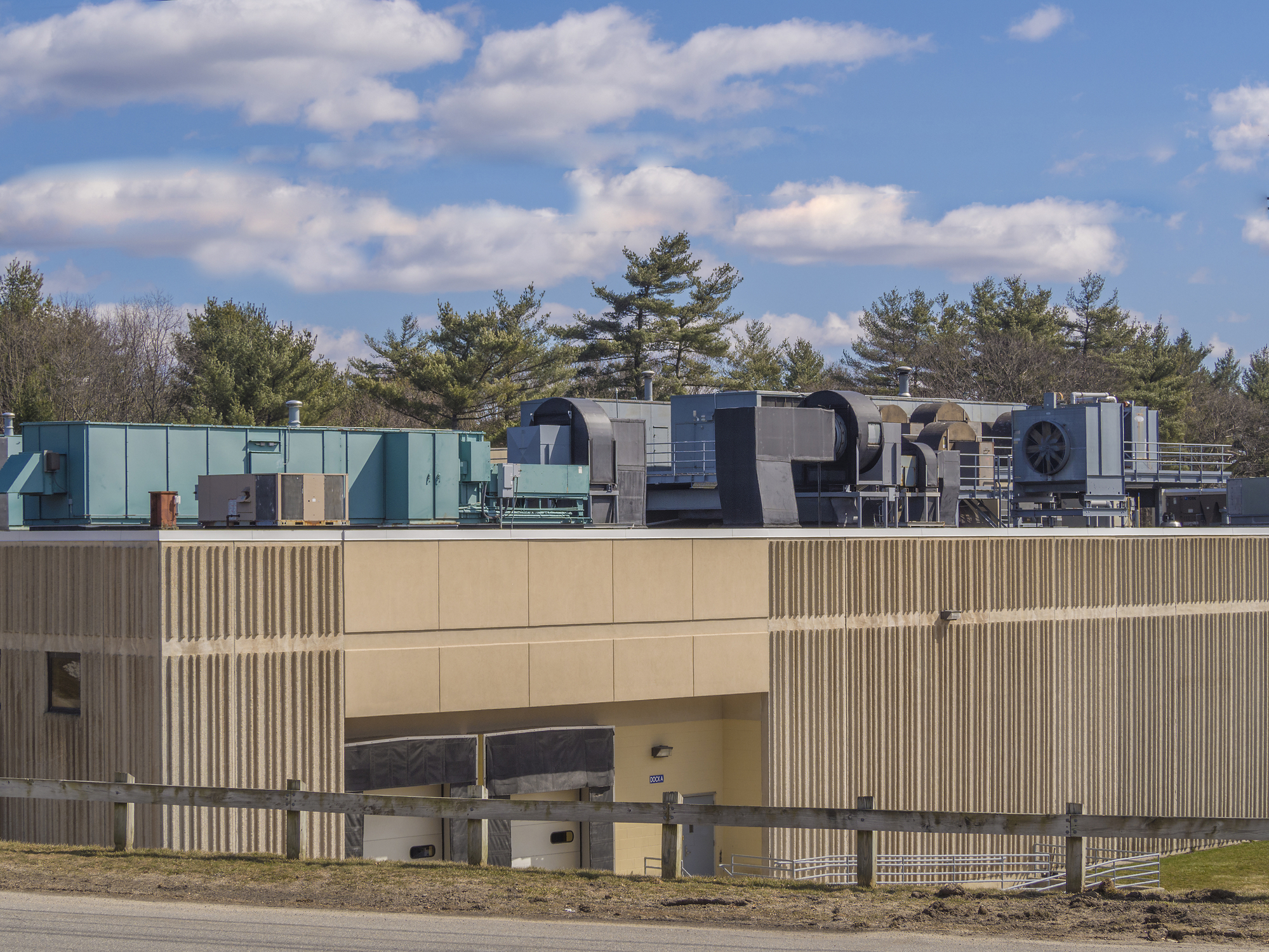
Depending on your building’s layout and usage patterns, options such as ductless mini-splits or packaged rooftop units may offer even greater savings and flexibility than traditional systems. A licensed HVAC professional can help you select the ideal system tailored to your commercial space, energy objectives, and budget.
2. Invest in Smart Thermostats
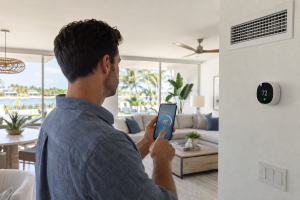
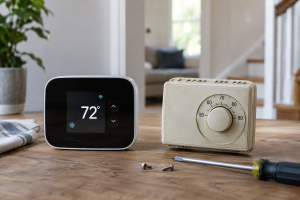
Even if you’re not ready to upgrade your entire commercial HVAC system, installing smart or programmable thermostats is a smart move. These devices provide a straightforward, cost-effective method for businesses to manage their commercial cooling systems more efficiently.
Smart thermostats enable you to create customized temperature schedules tailored to your building’s occupancy patterns and business hours. This means your HVAC system runs only when needed, reducing energy use during off-hours or when the space is unoccupied. The result? Lower energy bills without sacrificing comfort.
Pro Tip: Harness control over your cooling and energy consumption! Many smart thermostats also feature advanced tools, such as remote monitoring and control, allowing you to adjust settings in real-time from your phone or computer. Some even offer usage analytics to help you track performance and fine-tune energy savings over time.
3. Optimize Your Building’s Airflow and Ventilation
Proper airflow and ventilation can make a big difference in how hard your HVAC system has to work and how much you spend on cooling. Start by keeping vents and ducts clean and clear. Sealing air leaks and insulating ductwork also helps prevent energy loss.
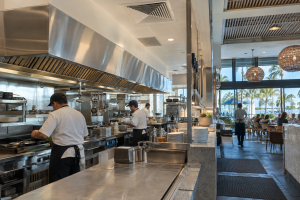
In larger or high-demand spaces, such as warehouses, kitchens, or manufacturing areas, consider installing energy recovery ventilators (ERVs) or heat recovery ventilators (HRVs). These systems bring in fresh air while reusing energy from outgoing air, which reduces the load on your AC.
You may also benefit from active ventilation, such as makeup air units, high-efficiency exhaust fans, or demand-controlled ventilation, depending on your space and its intended use.
Better airflow means better comfort, lower energy bills, and a longer life for your equipment.
4. Use Zoned Cooling for Targeted Comfort and Lower Costs
Not every part of your building requires the same amount of cooling at all times. Zoned HVAC systems allow you to divide your space into separate “zones,” each with its own thermostat and controls. That means you can cool only the areas in use—like the front office during business hours—while saving energy in storage rooms, break areas, or rarely used spaces.
Zoning helps reduce unnecessary energy use, boosts comfort, and prevents your system from overworking to cool areas that don’t need it. It’s especially useful for buildings with multiple floors, open layouts, or rooms with different cooling needs.
Over time, this kind of control can lead to significant savings on your energy bills and reduced wear and tear on your equipment.
5. Repair Leaks and Upgrade Insulation
Air leaks and poor insulation can drive up your cooling costs more than you think. Gaps around windows, doors, or roofing let hot, humid air in and cooled air out, forcing your HVAC system to work harder. Sealing these leaks and upgrading your building’s insulation helps maintain indoor temperatures and reduces wasted energy.
The same goes for your ductwork. Leaky or uninsulated ducts can lose a significant amount of cooled air before it ever reaches its destination. Sealing and insulating your ducts, especially in unconditioned spaces such as attics or utility rooms, can improve efficiency and lower your energy bills.
A little sealant and updated insulation go a long way in keeping cool air where it belongs.
5. Regular AC Filter Replacement
Changing your air filters every month (if you can access them easily) is a simple but crucial step to keep your HVAC system running efficiently. In Florida, where air conditioning operates year-round, a dirty filter can significantly restrict airflow, forcing your system to work harder and consume more energy.
That means higher electric bills and a greater risk of costly repairs from worn-out parts or frequent breakdowns. (Regular professional maintenance can help you avoid all that—check out the next section!)
6. Invest in Routine Commercial HVAC Maintenance Services
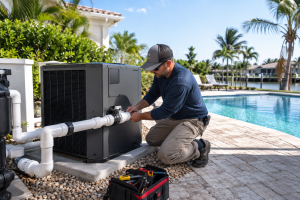
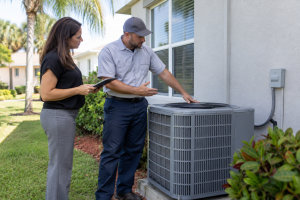
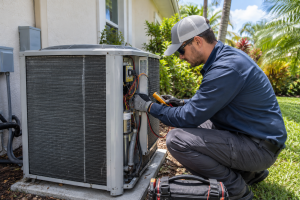
Routine commercial HVAC maintenance is essential for keeping your business’s system running optimally. If you have multiple units, rooftop systems, or equipment that’s hard to access, professional maintenance goes beyond just swapping dirty air filters. It includes regular inspections and essential tune-ups that help identify potential problems before they turn into major headaches.
Breakdowns not only cost money to repair, but they also result in lost revenue when your business is down. Professional inspections and tune-ups keep your commercial air conditioning equipment—and your business—running smoothly, efficiently, and without unexpected downtime.
Pro Tip: Ask your HVAC technician about commercial maintenance programs. They keep you on a regular schedule, help prevent surprises, and make staying within budget a whole lot easier.
Workplace Energy-Saving Practices
Upgraded your equipment and installed smart tech? Awesome—but don’t stop there! Getting your team involved can boost your energy savings even more and shrink your company’s environmental footprint.
At the end of the day or before closing up shop:
- Turn off lights, computers, and electronics not in use
- Avoid leaving devices in standby mode
- Use energy-efficient equipment and appliances
- Raise the thermostat overnight and on days you’re closed
- Switch to energy-efficient lightbulbs
- Maximize natural light whenever possible
- Use fans instead of cranking the AC
- Go paperless when you can
Small actions add up to big savings! Make energy-smart habits part of your workplace culture.
Pro Tip: If your building has multiple floors, multiple offices, or heat-producing equipment, consult with a commercial HVAC expert about the latest technology—such as smart building automation, energy audits, and advanced control systems—that can fine-tune your cooling, boost efficiency, and further reduce energy costs.
Stay Cool, Spend Less: Smarter Cooling for Your Business
You don’t have to accept poor cooling efficiency and high electric bills as just part of doing business. With a few smart moves, you can save money, boost your HVAC performance, and lower your energy costs—without sacrificing comfort.
By investing in upgrades like a modern HVAC system, smart thermostats, and active ventilation, you’ll likely start noticing real savings (and a more comfortable workspace—even during peak summer heat!). Getting your team on board with energy-saving habits helps cut waste even further. And don’t forget to ask your HVAC technician about available tax credits or rebates—your business may qualify for valuable incentives.
Big upgrades might take time, but a little strategic planning now sets you up for long-term efficiency, fewer headaches, and serious savings down the line.