Updated: May 28, 2026
Keeping AC ducts clean starts with prevention. Most dust, pet hair, pollen, and debris that end up in ductwork originate inside the home. Once those particles enter the HVAC system, they can collect around vents, filters, coils, drain pans, and duct interiors. Over time, that buildup can reduce airflow, contribute to musty odors, and cause the system to work harder than it should.
Regular duct maintenance does not mean your ducts need to be professionally cleaned all the time. In many homes, the best approach is consistent filter replacement, routine HVAC service, light vent cleaning, dust control, and moisture prevention. These habits help reduce buildup before it becomes a bigger issue for indoor air quality or system performance.
AC Duct Maintenance
AC duct maintenance is the routine care that helps keep dust, debris, and moisture from collecting inside your air conditioning system. This includes changing filters, keeping vents clean, scheduling HVAC maintenance, sealing leaks, and reducing dust inside the home.
Clean ducts can support better airflow and help your HVAC system operate more efficiently. They may also help reduce the amount of loose dust and airborne particles moving through your living space, especially in homes with pets, carpeting, allergies, or frequent AC use.
Change AC Filters
Your air filter is the first major barrier between household dust and your duct system. When the filter is dirty, clogged, missing, or too weak for the home’s needs, more particles can move through the system and collect inside the ductwork.
Most homes should have air filters replaced every 1 to 3 months. A standard 1-inch filter often needs to be changed monthly, while thicker filters may last longer depending on the system, household activity, and manufacturer recommendations. Homes with pets, allergy concerns, heavy dust, or frequent AC use may need filter changes closer to every 30 to 60 days.
Use the Right Filter
Filter quality matters, but the highest-rated filter is not always the best choice for every HVAC system. A filter that is too restrictive can reduce airflow and put added strain on the air conditioner.
For many residential systems, a MERV rating between 8 and 13 provides a practical balance between particle capture and airflow. A higher-efficiency filter may help trap more dust, pollen, pet dander, and other particles, but it should still be compatible with the equipment. When in doubt, follow the filter rating recommended by the system manufacturer or an HVAC professional.
Keep Dust Out
Dust inside ductwork usually starts with dust inside the home. Carpets, rugs, upholstered furniture, pet bedding, curtains, and high-traffic areas can all contribute to the debris that eventually gets pulled into the return side of the HVAC system.
Vacuuming floors, rugs, and carpets once or twice a week can reduce the amount of dirt circulating through the AC system. Homes with pets may need more frequent vacuuming. Regular dusting with a damp microfiber cloth can also help, as it captures particles rather than pushing them back into the air.
Clean Air Vents
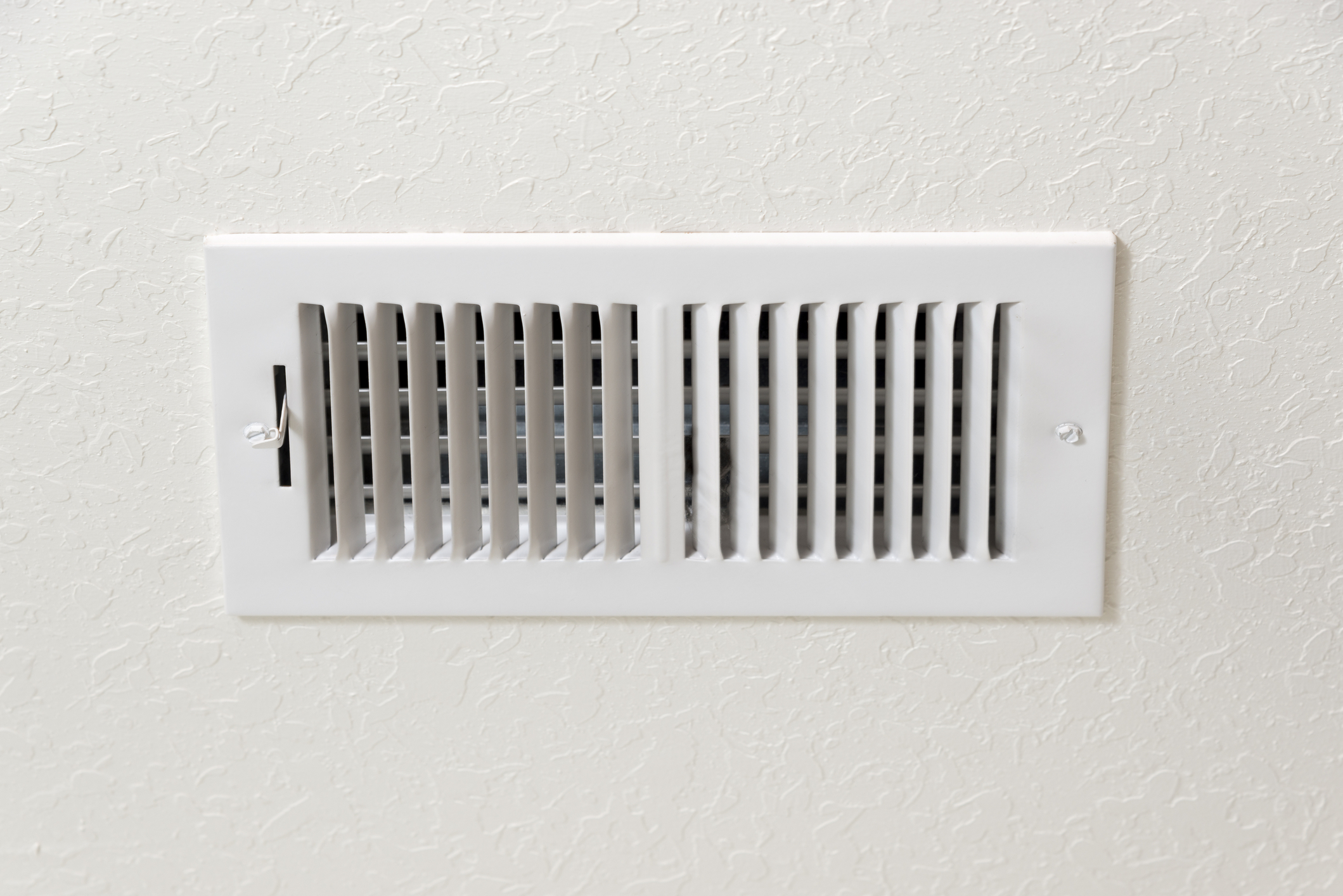
Vent covers are easy to overlook, but they often show the first visible signs of dust buildup. Dirty vents can release loose particles into the room each time the AC turns on, especially if dust has gathered around the grille or inside the vent opening.
A simple cleaning routine can make a noticeable difference:
- Turn off the HVAC system before cleaning vents.
- Remove vent covers when possible.
- Wash covers with warm, soapy water and dry them completely.
- Use a vacuum brush attachment to remove visible dust inside the vent opening.
- Wipe the surrounding wall, ceiling, or floor area with a damp cloth.
- Avoid pushing dust deeper into the ductwork.
This type of light cleaning does not replace professional duct cleaning, but it helps reduce the amount of dust that collects around supply and return vents.
Schedule HVAC Maintenance
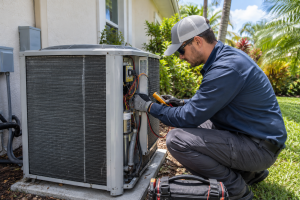
A clean HVAC system helps support cleaner ductwork. Even if the ducts are in good condition, dust and moisture can still collect around the evaporator coil, blower compartment, drain pan, and other internal components.
Professional HVAC maintenance should typically be scheduled at least once a year. In Florida, where air conditioners often run for much of the year, many homes benefit from service twice a year. During maintenance, the technician can inspect the system, check airflow, clean key components, look for moisture issues, and identify conditions that may contribute to duct contamination.
Prevent Mold Growth
Moisture is one of the biggest concerns for AC ducts. When condensation, clogged drain lines, dirty coils, or poor humidity control create damp conditions, mold and mildew are more likely to develop.
Indoor humidity should generally stay between 30% and 50% when possible. If the home feels damp, smells musty, or has condensation around vents, it may be a sign that the AC system is not removing moisture properly. Drain pans, coils, and condensate lines should also be kept clean to prevent water from pooling in the system.
Seal Duct Leaks
Leaky ductwork can pull dirty air from attics, crawlspaces, garages, or wall cavities. This allows dust, insulation particles, and other contaminants to enter the system without passing through the air filter.
Accessible ducts should be checked for gaps, loose connections, crushed sections, disconnected runs, or damaged insulation. Small leaks can often be sealed with mastic or approved foil HVAC tape. Standard cloth “duct tape” is not a reliable long-term duct sealant. Larger duct damage should be reviewed by an HVAC professional.
Avoid Construction Dust
Home remodeling can quickly contaminate AC ducts. Sanding, drywall work, flooring installation, painting prep, and demolition all create fine dust that can be pulled into the HVAC system if the air conditioner is running.
During construction or remodeling, supply and return vents should be covered, and the HVAC system should be turned off when heavy dust is being created. Filters should also be checked and replaced after the project is complete. These steps help prevent construction debris from coating the inside of the ductwork.
Air Duct Cleaning
Professional air duct cleaning is not usually needed as routine annual maintenance for every home. However, it may be helpful when there is visible buildup, persistent odors, signs of mold, pest contamination, excessive dust coming from vents, or noticeable airflow problems that cannot be explained by the filter or equipment.
Professional duct cleaning uses specialized equipment to remove debris from inside the duct system. This may include negative-air machines, HEPA-filtered vacuums, and rotating brush tools designed for ductwork. The goal is to loosen and remove contaminants without damaging the ducts.
Duct Cleaning vs Replacement
Duct cleaning and duct replacement are not the same service. Cleaning is intended to remove dust, debris, and contaminants from ductwork that is still in usable condition. Replacement is considered when ducts are damaged, deteriorated, poorly designed, heavily contaminated, or no longer capable of delivering proper airflow.
Duct replacement may be needed if ducts are crushed, disconnected, mold-contaminated inside porous insulation, leaking badly, or falling apart due to age. In these cases, cleaning may not solve the underlying issue. A professional inspection can help determine whether cleaning, sealing, repair, or replacement is the better option.
Clean AC Ducts
The best way to maintain clean AC ducts is to stop dust and moisture from building up in the first place. Change filters regularly, use the right filter for your system, keep vents clean, vacuum and dust the home often, schedule HVAC maintenance, and protect the ductwork during remodeling projects.
Clean ductwork supports better airflow, reduces unnecessary buildup, and helps your air conditioning system operate in a cleaner indoor environment. With consistent maintenance, most homeowners can reduce duct problems before they become serious enough to require deep cleaning or replacement.