
How Windows Impact Your Air Conditioning System
Windows can add heat to a home and make an air conditioner work harder. Placement, glass condition and shading affect comfort and efficiency.

Windows can add heat to a home and make an air conditioner work harder. Placement, glass condition and shading affect comfort and efficiency.
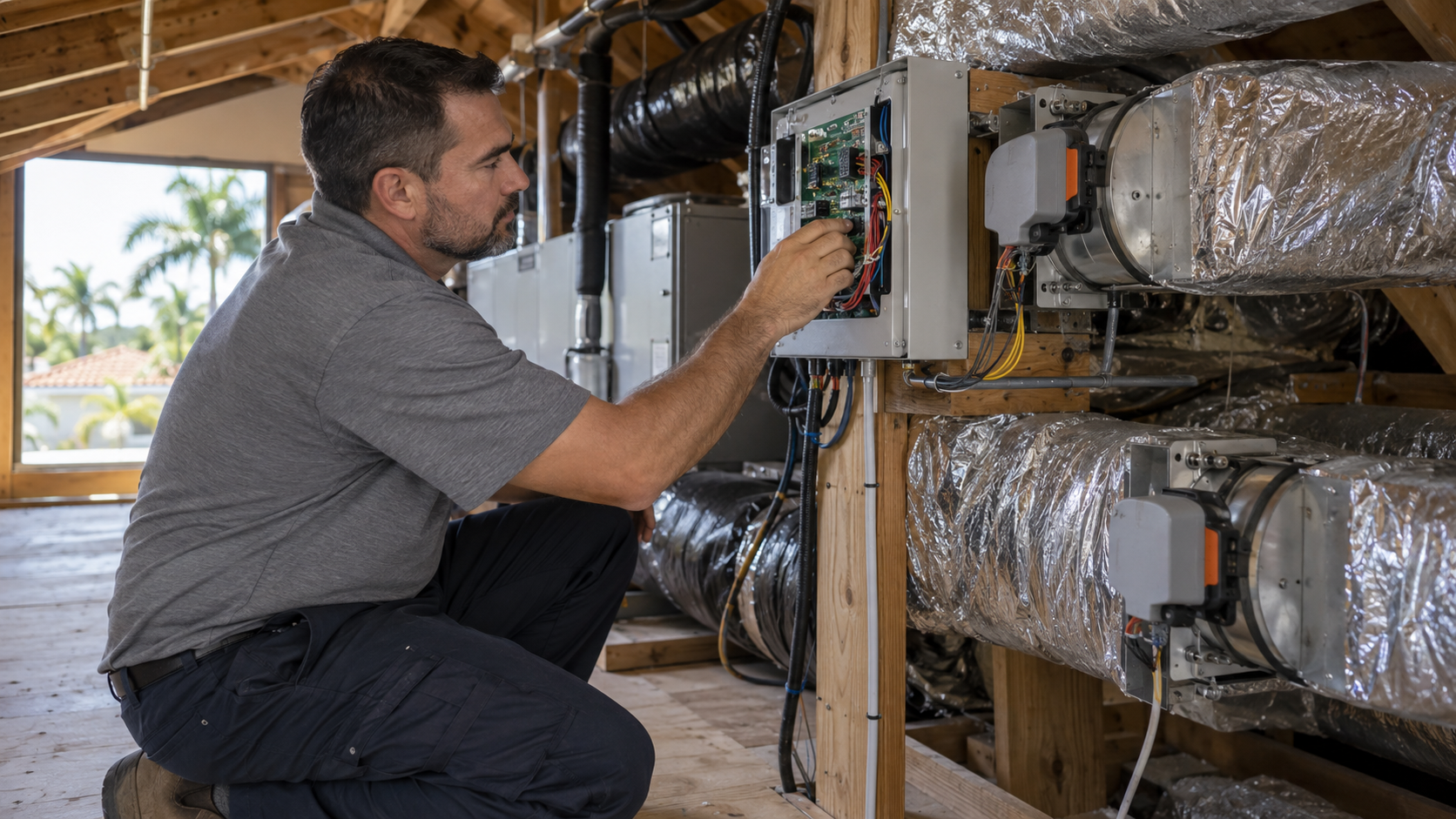
HVAC zoning can sometimes be added to an existing system. A technician must evaluate ductwork, airflow and equipment before a retrofit.

Outdoor heat places limits on home cooling. Thermostat settings, humidity, insulation, sunlight and AC condition all affect indoor comfort.
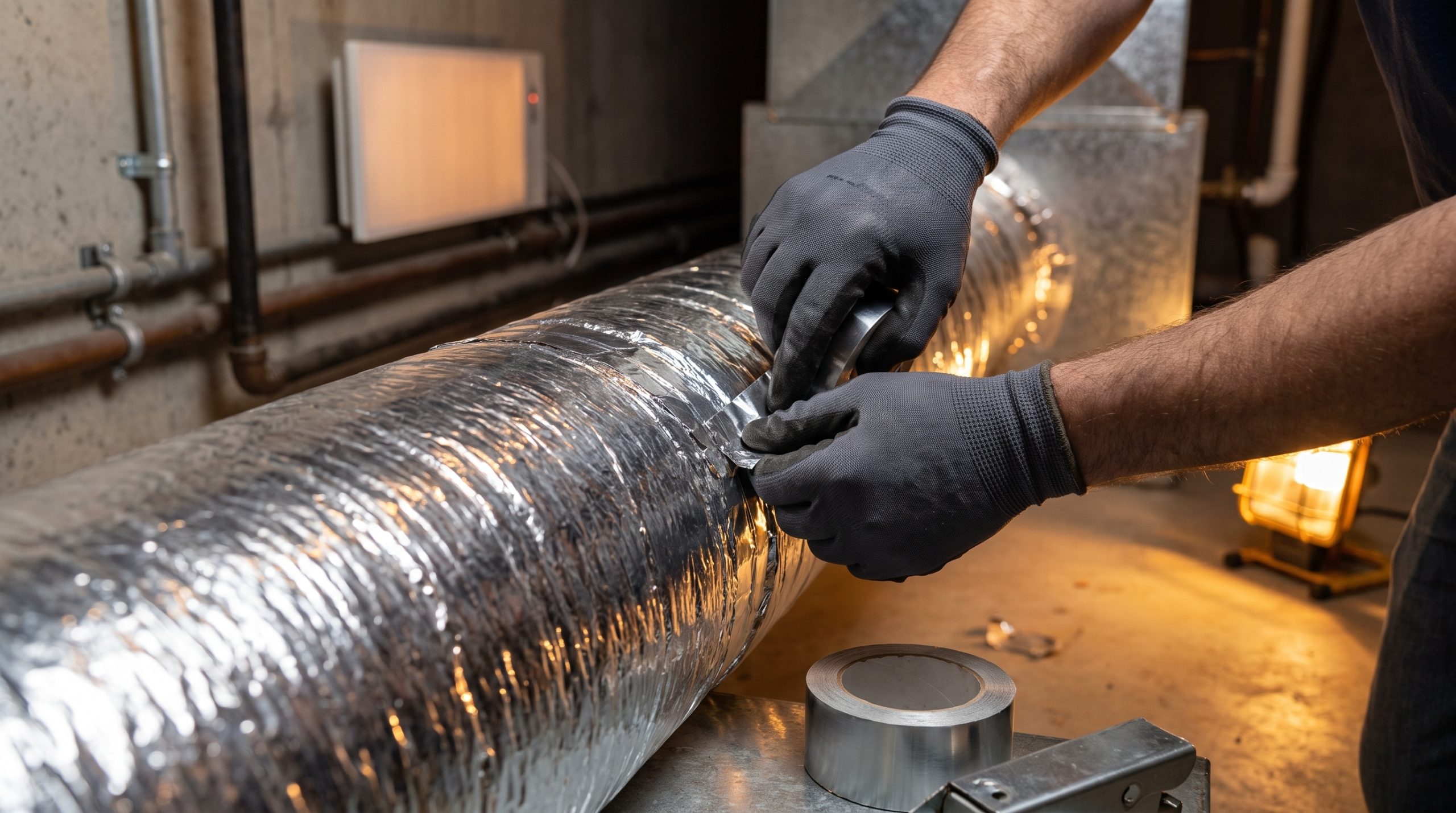
Uneven cooling, dust, humidity and visible duct damage can signal failing AC ductwork. A professional can determine whether to repair or replace it.
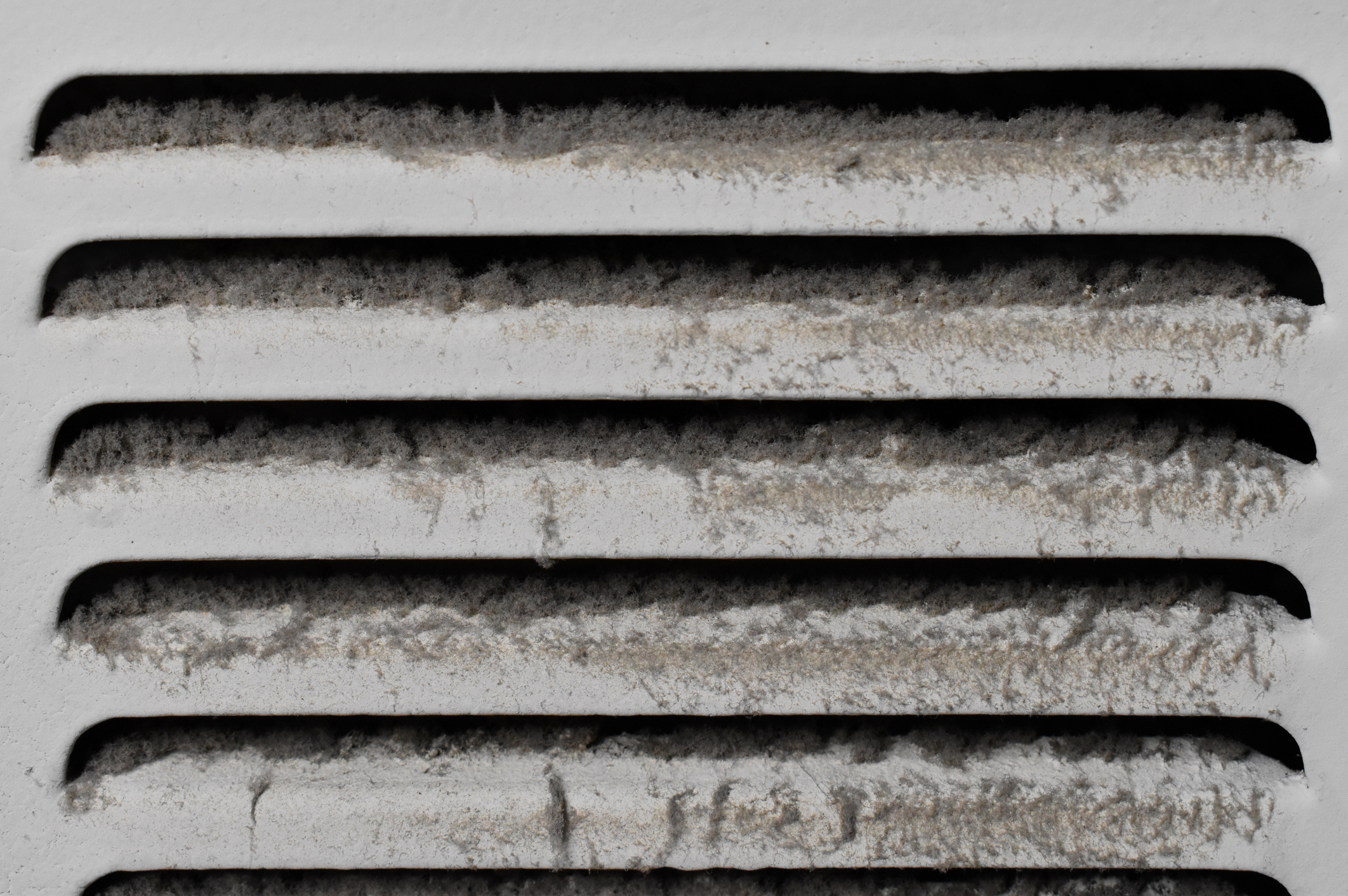
Air ionizers can affect airborne particles, but they do not eliminate mold growing in a home or HVAC system. Moisture control remains essential.

Skipping HVAC maintenance in commercial buildings can result in emergency repairs, increased energy costs, and health risks due to poor air quality. Efficient systems are vital for employee comfort and compliance with standards, emphasizing the need for routine check-ups to avoid larger issues.

In hot climates, one air conditioning unit may not suffice for larger or multi-level homes. Signs include uneven temperatures, drafts, high energy bills, and persistent humidity. Upgrading to zoning or mini-splits could help, but two units may be necessary for optimal comfort.

In multi-level homes, high temperatures upstairs are common due to heat rising, poor airflow, and HVAC system design. Solutions include improving insulation, enhancing airflow, and using zoned systems for balanced cooling.
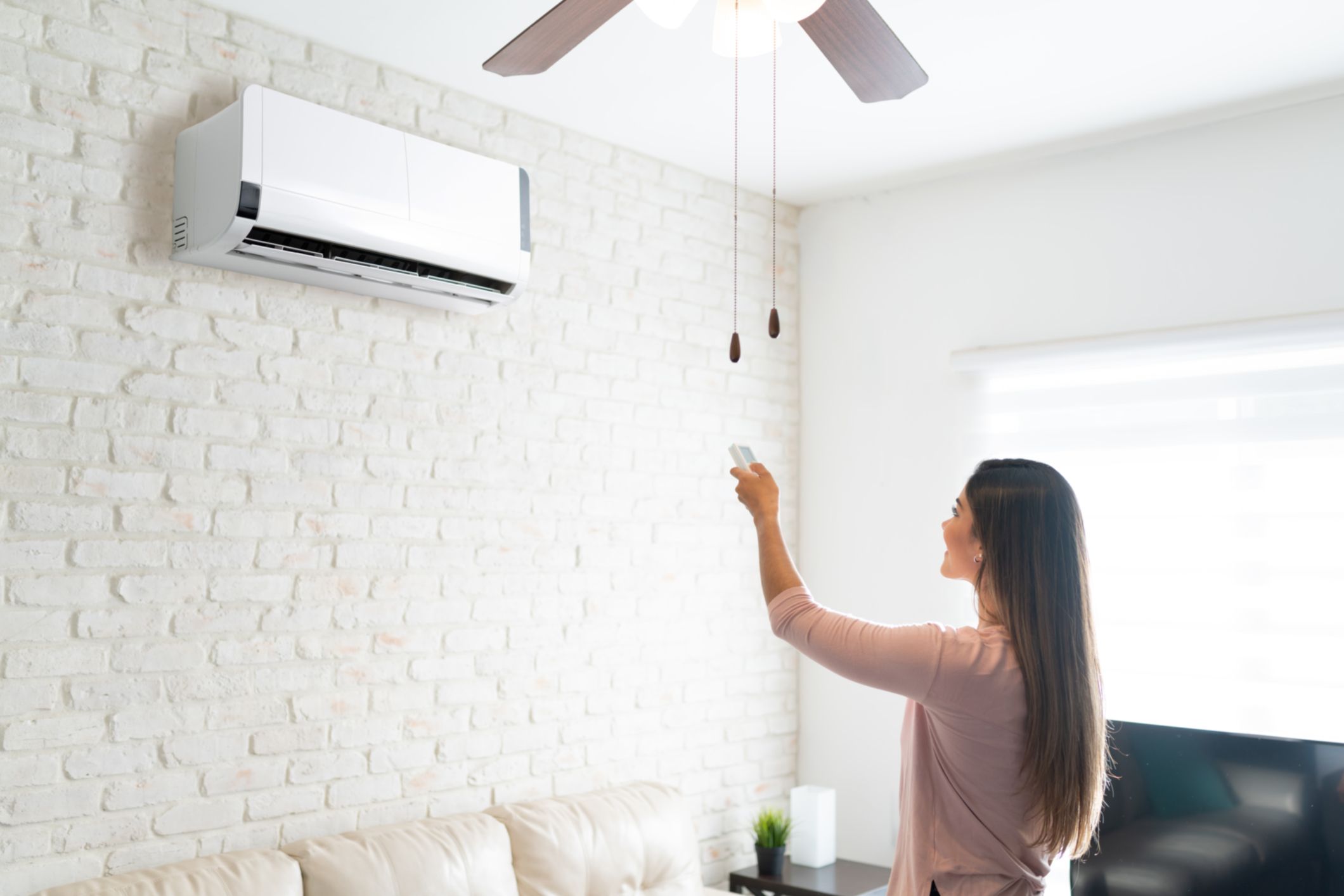
Mini-split systems are a flexible HVAC solution perfect for homes without ducts. They provide room-specific temperature control, improving comfort and energy efficiency. Ideal for additions and conversions, they adapt to diverse spaces, making them a smart choice for many homeowners.

Air conditioners face more stress in summer as humidity and high temperatures push them to their limits. Common problems like low refrigerant and dirty coils can cause failures. Regular maintenance and proper sizing help prevent costly breakdowns.